Equestrian camping options surround Aripeka, Florida, with several facilities located within a 30-mile radius of this Gulf Coast community. The region features flat terrain with a mix of cypress swamps, pine forests, and marshlands typical of west-central Florida. Summer temperatures regularly reach 90°F with high humidity, while winter nights can drop to 40°F, making November through April the preferred camping seasons.
What to do
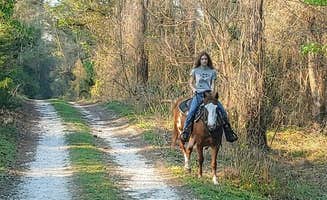
Trail riding on marked paths: At Tillis Hill Equestrian Campground, riders can access numerous trails directly from camp. "The stalls are awesome and you can ride right from the campground on to miles of trails in the Withlacoochee forest," notes camper Stephanie D. The campground serves as an ideal base for exploring forest trails.
Stargazing after dark: The remote locations of these campgrounds create excellent night sky viewing conditions. "It's quiet and very dark at night. Great for star-gazing," reports Mandie Z. at Tillis Hill. Most sites are far from urban light pollution, offering clear celestial viewing when weather permits.
Wildlife observation: Jay B. Starkey Wilderness Park offers frequent wildlife encounters. "Starkey's Campground has everything you could want or need. Friendly staff, plenty of critters, and beautiful trails to walk," writes Shaun C. The park's mix of ecosystems supports diverse wildlife viewing opportunities throughout the seasons.
What campers like
Privacy between sites: Serenova Tract Campsites offers secluded camping spaces. "Very private, great views and the neighboring campers were very respectful," says Brett D. The site layout provides more separation than many Florida campgrounds, with natural vegetation creating barriers between camping areas.
Clean facilities: Campgrounds maintain functional bathhouses with regular service. "The bathhouse is clean and has hot water and showers. Speaking of animals no other animals are allowed because of the horses," notes Doug E. about Tillis Hill. Most equestrian campgrounds prioritize cleanliness in shower and restroom facilities.
Natural Florida ecosystems: Colt Creek State Park Campground showcases native environments. "This park is beautiful, quiet, alive with wild life, we saw deers, owls, turtles, rabbits & a mama wild boar with her piglets," Barbara A. reports. The park's water features and diverse habitats support frequent wildlife sightings year-round.
What you should know
Reservation systems vary: Most horse campgrounds require advance booking through different platforms. "You must reserve a site with Southwest Florida Water Management by website. It is sometimes closed to hunting," explains Tim L. about Starkey Wilderness Preserve. Reservation windows typically open 6 months in advance for state parks and 3 months for water management district properties.
Access roads can be challenging: Several equestrian campgrounds have unpaved approach roads. "Be mindful of going after/during a good rain, it floods pretty easily," warns Brett D. about Serenova Tract. Many access roads become difficult after heavy rainfall, with limited maintenance during wet seasons.
Cell service limitations: Coverage varies significantly by location and carrier. "Cell service is bad for AT&T. I'm told other carriers are better," notes Mandie Z. at Tillis Hill. Most remote campgrounds have spotty service, with better reception at sites closer to main roads.
Water availability considerations: Green Swamp — West Tract and similar locations have limited water sources. "Not many campers on the Cumpressco side but tons on the Ashley. Beware however of mating season for the caterpillars! They were everywhere!! No potable water at either site. Bring your own!" warns Alicia B. Most primitive horse camps require campers to bring their own drinking water.
Tips for camping with families
Nearby conveniences: Many horse campgrounds near Aripeka have stores within reasonable driving distance. "Supermarket and several restaurants just across the main road," notes Hootmon H. about Serenova Tract. This access to supplies allows longer stays without extensive pre-planning.
Playgrounds and activities: Holder Mine Campground offers recreational options beyond trail riding. "Trails available for hikes, bikes, horses and even 4x4 vehicles. Bath house clean and very hot water," says Karyn B. The diverse trail system accommodates different skill levels and interests.
Educational opportunities: Several parks maintain nature centers and interpretive displays. "Nature education center for children. Playgrounds and pavilions for get togethers," describes Tim L. regarding Jay B. Starkey Wilderness Park. These facilities provide rainy-day alternatives when trail riding isn't possible.
Tips from RVers
Site selection strategies: Carefully review campground layouts when booking. "Try to get a sense of the space before picking your site. The photos etc made it look like easy back-in but gets are some sites with trees very close and the lane is super narrow," advises Mandie Z. about Tillis Hill. Corner sites typically offer more space but may have more difficult approaches.
Power and water connections: Most developed equestrian campgrounds provide hookups. "The sites have water, and power hook up. There is 1 main dump area with 2 dump stations," explains Doug E. about camping at Tillis Hill. Electrical service typically includes 30/50 amp options, though usage may be restricted during peak seasons.
Level pads for parking: Concrete parking spaces are available at some locations. "All sites have fire pit with grill, picnic table and level cement pad. We had a large beautiful oak on our site," notes Mary H. about Holder Mine. These pads simplify setup and provide stable footing regardless of weather conditions.








 Legend


