Tent camping near Old Greenwich, Connecticut offers several primitive sites across multiple state parks and managed areas. The region has seasonal temperature variations with summer averages of 75-85°F and spring/fall ranging from 45-65°F. Most parks enforce quiet hours from 10pm to 7am with campsites positioned in hardwood forests at elevations between 200-600 feet.
What to do
Hiking extensive trail systems: Ward Pound Ridge Reservation provides over 40 miles of trails for day hiking from campsites. "This is a great place for camping. The shelters are great for people who want to camp and not have to worry about unplanned weather. The best part of this campsite are the endless trails in the area," notes Ethan K. from Ward Pound Ridge Reservation.
Swimming in lakes: Many campgrounds have designated swimming areas with seasonal lifeguards. At Sebago Cabin Camp in Harriman State Park, campers appreciate the water access. "Sebago has a huge lake and great beach area. It was perfect for lounging and swimming in during a hot summer day," reports Ethan K.
Beach camping: For a unique experience, Fire Island offers beach-adjacent tent camping. "You can get a permit to backcountry camp instead of reserving a designated campground spot. Just walk down to the beach after check-in and walk east until you see a pole with a tent symbol on it," explains Emily S. about camping at Watch Hill.
Paddling opportunities: Several campgrounds offer canoe and kayak rentals for water activities. "You can also rent canoes and take them out on the lake for an afternoon activity," mentions Ethan K. about camping at Harriman Outdoor Center.
What campers like
Lean-to shelters: Several parks feature three-sided shelters as alternatives to standard tent sites. "Lots of lean-to sites with fireplaces in them. You have to go in person to make a reservation and pay. The camp area is beautiful, especially in the fall," writes Misty V. about Ward Pound Ridge Reservation.
Family-friendly amenities: Many campgrounds include playgrounds and organized activities. "The camp here has 7 campsites here and it fill up really fast. There are rangers taking you on a trek and exploring the abandoned building," explains Phillip L. about Staten Island Gateway camping.
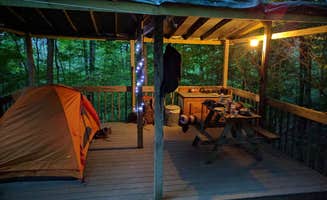
Platform camping: Some sites offer raised tent platforms to keep campers dry. "I camped on one of the platforms, which was very nice and did not feel crowded even with other people on neighboring platforms. One highlight was having meals cooked by the stellar chef," shares Ilya F. about Harriman Outdoor Center.
Food storage solutions: Many campsites provide metal storage containers for food. "Sites also have metal storage units for locking up foodstuffs to protect them from being pilfered by the numerous and bold raccoons," notes Craig M. about Sandy Hook camping.
What you should know
Reservation requirements: Most campgrounds require in-person bookings. At Mountain Lakes Park, "It is the greatest park," notes Joel, though the park requires advance planning for site selection.
Bathroom facilities: Comfort stations can be distant from tent sites. "The sites are much farther away from the comfort stations than most campgrounds we have been to. But there are port-a-potties very close to the sites, which is very important when you have young kids," writes Ming R.
Seasonal pest considerations: Mosquitoes and ticks are common from May through September. "It was absolutely gorgeous, don't get me wrong. However, it was nearly impossible to enjoy ourselves because we were getting attacked by mosquitoes and horseflies the entire weekend," warns Rosie R. about Watch Hill.
Fire regulations: Rules vary significantly between locations. "Fires are allowed but you must have a fire container or bucket for your fire off of the ground," explains Katrina M. about Battle Row Campground.
Tips for camping with families
Playground access: Several campgrounds have dedicated play areas for children. "Kid friendly with a playground available," notes Misty V. about Ward Pound Ridge.
Site privacy considerations: Some locations offer more secluded family camping. "Beautiful campsites! Our favorite site is #25. Up a hill, totally private and has a lean-to," recommends Misty V.
Wildlife education: Many parks offer ranger-led programs. "There are park rangers on site and have excellent programs for kids," mentions Inocencia O. about Watch Hill Fire Island.
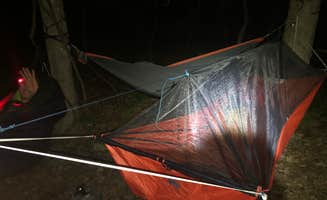
Year-round opportunities: Several campgrounds remain open throughout winter. "They have great sights and are open all year round. I've stayed in hammocks, tents, lean-tos, and even did a good share of car camping," writes Paul R.
Tips from RVers
RV site spacing: Croton Point Park offers RV-specific camping areas. "The FHU sites were back-to-back and although there were trees separating the sites, they were close together," explains Lee D.
Hookup availability: Electric and water hookups vary by location. "We had a loosely defined gravel pad that was level. All sites appeared level," notes Lee D.
Noise considerations: Some campgrounds have nearby transit systems. "Only down side is there is a train depot right outside and you can hear them shunting trains all night," warns Andrew A. about Croton Point Park.
Gate access systems: Several campgrounds use keyed entry. "When we checked in, we had to write down our credit card number on a slip of paper before we were given a key that opened the gate to the campground," explains Lee D.









 Guide
Guide


