Backcountry camping opportunities in the Falls Village area feature diverse terrain within Connecticut's northwestern highlands. The region sits at elevations between 600-2,300 feet with significant terrain variations that challenge even experienced hikers. Tent camping near Falls Village, Connecticut requires proper preparation as most backcountry sites lack amenities and necessitate navigating rocky, steep trails carrying full packs.
What to do
Mountain summit hikes: Bear Mountain summit offers exceptional vantage points accessible from various backcountry campsites. At Riga Lean-To, campers can make the relatively short hike to Connecticut's highest peak. "Make sure to hit the summit of Bear Mountain; incredible view!" advises camper Nora S.
Stream exploration: Several primitive camping areas sit near notable waterways including Brassie Brook and Ten Mile River. The Ten Mile River Shelter offers both hiking and paddling access. "It is at least a mile if not a mile and a half from approved parking (on the side of the road off the A.T.) to camp, either from the A.T. or a combo of the A.T. and a blue blaze trail (which is easier, imo)," notes Sue B.
Bird watching: Mount Everett and surrounding wilderness areas provide habitats for numerous bird species. Laurel Ridge campsites offer elevated positions for spotting hawks and other raptors during migration seasons.
What campers like
Privacy between sites: Most backcountry sites provide significant separation between camping areas. At Alander Trail Campground, "You have to park at the entrance and hike in about 1.5-2 miles with everything on your back to get to the spots. Once you get there, theres quite a few sites to choose from and each offer quite a bit or privacy," explains Kay D.
Well-maintained facilities: Despite remote locations, many backcountry sites receive regular maintenance. Regarding Alander Trail, one camper noted, "Although we were the only campers at the time the area was emmaculate and not one piece of trash on the ground anywhere! The outhouse was even clean!"
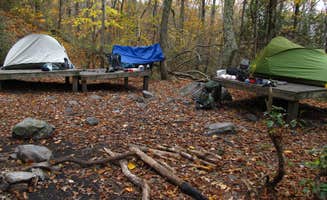
Seasonal variations: Fall brings dramatic foliage displays throughout the region. One backpacker at Brassie Brook Shelter reported, "The fall views made it worth it. We did have some sun spots at least throughout the trip. Great weekend overnight backpacking."
What you should know
Limited seasonal access: Winter conditions often make backcountry tent sites difficult or dangerous to access from November through April. Temperatures frequently drop below freezing, with snow accumulation common.
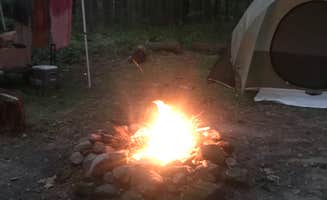
Wildlife precautions: Bear activity requires proper food storage throughout the region. "They give you a semi-flat area for a tent, a fire pit and grill rack, one picnic table, and a bear box you would be sharing with other campers nearby," explains a camper at Alander Trail Campground.
Water sources: Many sites require carrying water or filtering from streams. While Ten Mile River Shelter lists drinking water as available, most backcountry locations require hikers to bring their own supplies or treatment methods.
Limited connectivity: Cell service remains unreliable throughout most backcountry camping areas, requiring advance planning and paper maps.
Tips for camping with families
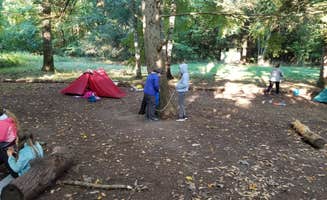
Start with shorter hikes: For families with younger children, Onion Mountain Park offers relatively accessible primitive camping. "My BSA troop has been going here for years to help new scouts learn to camp. It is a very casual site and good for your first trip, you are close to your car and the road in case you need it so no need for a bear bag," shares Marshall S.
Consider drive-up alternatives: When backcountry hiking proves too challenging, established campgrounds provide alternatives. "I booked site 5 for the week. Great experience! Quiet woods atmosphere with trail's. Wonderful place to camp," reports Sara R. about White Memorial Campground in Litchfield.
Plan shorter stays: First-time family backcountry experiences should begin with single-night trips. One Onion Mountain visitor explained, "Very peaceful overnight camping, no permit required. Small campsite, first come first served basis."
Tips from RVers
Limited RV options: True backcountry tent camping dominates the Falls Village region with minimal RV-friendly sites. RVers should consider Chester Railway Station for unique accommodations that combine tent and cabin options. "The caboose is stationed on a big grassy field, near a real railroad. It sleeps 4 and you can set up tents outside too. You hear the trains running at night," shares Esther L.
Prepare for primitive conditions: Most sites near Falls Village lack RV hookups or dump stations. For improved facilities, Sodom Mountain Campground offers big-rig accessibility approximately 30 miles away.
Consider seasonal timing: Fall foliage attracts significant visitors, making advance planning essential during peak season. Early summer generally provides the most consistent weather conditions for camping in this region.











 Guide
Guide


