






 Legend
Parksland Retreat - Clothing Optional
Ranger Review: RovR RollR 60 Cooler at Parksland Retreat
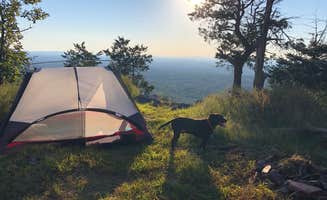
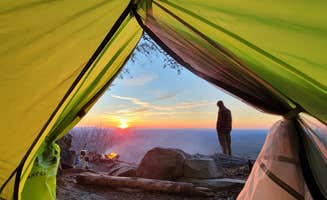
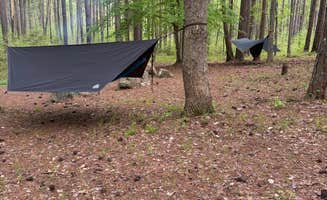
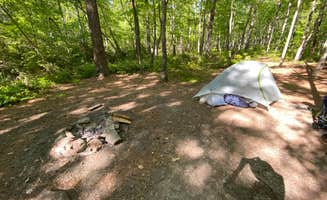
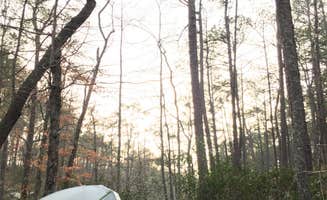
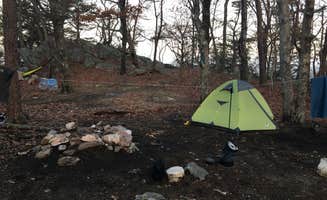
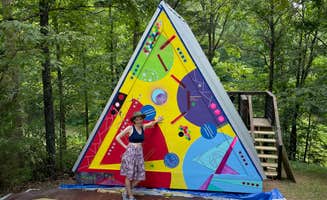
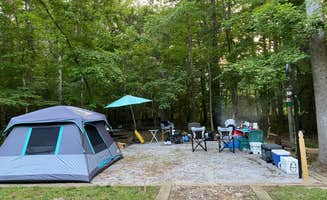
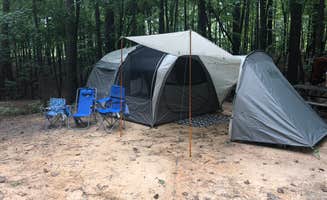
Campground Review: My wife and I had the amazing opportunity to stay at Parksland retreat this weekend making our first campground reservation through the Dyrt. Parksland is a beautiful off the grid campground and home that is well cared for and a wonderful experience to stay at. They have set up several areas for guests depending on what your camping preference is. The owners live at the highest point of the property and have an outdoor kitchen surrounded by a garden and chicken coop with woods in every direction. If you are interested in what would typically be considered classic car camping you can stay at one of the many tent sites they have set up around the kitchen area. Many of these sites already have tents set up for you to rent or if you prefer to bring your own tent you can use one of the other available spots. All of the sites in this area are already covered with large industrial tarps so you can stay dry no matter the weather. If you are interested in a more private area they have two more primitive, trail campgrounds a short hike down the hill that each has cleared ground providing space for several tents. On this trip, we had reserved the further, more private and smaller site but ended up staying at the closer site since it was available and more convenient with the weather conditions.
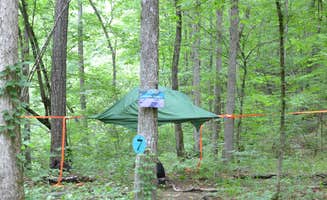
We arrived at the campground on Saturday around noon and got a tour around from Dustin the owner where he showed us all of the options. We then climbed down the steep hill with all our gear and set up camp before the rain came in. Since the site was relatively large we were able to find the perfect spot for our tree tent. After a quick lunch of grilled cheese, we headed off to explore the hiking around the area. Dustin suggested we take the Ridgeline loop trail and with only a couple of wrong turns, we managed to complete the loop and finish at the swimming hole. Although the water was cold it still felt wonderful and is a much welcome amenity in the hot and humid Alabama weather. Other than the poison ivy (which you can’t really do anything about) the hike was really scenic and a good afternoon trek. Make sure to take the map though cause it helps to make the turns at the right spots. We got back before the rain began so had time to take advantage of the hot shower they have available and cooked dinner by our fire (firewood is provided). We whipped together a wonderful sweet potato and chili combo with recipe inspiration provided by Fresh off the grid. After dinner, we cleaned up around camp, moved everything under our tent, and climbed in for the night.
Although we were prepared for the rainstorm that we knew was coming overnight we were not prepared for rain inside our tent… We woke up in the middle of the night with puddles on our sleeping bags and a storm raging outside. Luckily we were able to stay warm and relatively dry but woke up intermittently. In the morning with rain still pouring we decided to just trek back up the hill with the gear and load up the car since we were already wet. We packed everything up and headed on home discussing how even with the crazy weather and unfortunate leakiness we had a fun and adventurous time and were glad we went.
Overall, Dustin was so welcoming and helpful throughout our entire stay and he has created a wonderful oasis that makes a perfect getaway. I highly suggest checking it out.
……………………….
Product Review:
As a Ranger for The Dyrt, I get to try out new and interesting products at campgrounds I visit. On this trip, I stored all my food in the RovR RollR 60 Cooler to keep it cold and fresh for the weekend. My takeaways from using the durable rolling cooler are:
- Transportability: Although there are now several rollable rotomolded coolers out on the market none are designed with off-road capabilities like the RovR. With large inflatable tires, I was able to go over steps and rocks, move through waterlogged mud, and glide gently over gravel paths with minimal amounts of effort. The cooler is on the heavier side but this was barely noticeable since it is so much more maneuverable than any of the other options. On top of that, it comes with a collapsible gear bin that attaches to the top proving even more space to keep gear that needs to be moved around. Since this campground required a short but steep hike to get to over fairly rough terrain there was no possible way we were getting any other cooler to and from this campsite but with the RovR it took 1 trip. I was able to roll the cooler down all by myself with most of our cooking gear loaded in the bin on top. My wife could then carry down the tent and clothes and we were able to get camp set up much sooner and get to eating lunch. Although I wouldn’t want to backpack with a piece of gear like this (though you probably could) I can’t imagine a camping situation where the RollR 60 wouldn’t succeed in making food transport easier. I also loved the design feature with the handles on the side since I have a tendency to perpetually hit my heels while pulling things directly behind me.
- Temperature Stability: I didn’t get a chance to test this out to an extreme level since we only camped for one night but I did get a general idea of how well this cooler holds its temp. We loaded it up with ice and food on Friday afternoon to save time on Saturday and then unloaded it when we got home on Sunday and about half of the ice was still sitting in the bottom and everything felt like it was coming out of the refrigerator. The ingenious design also features a water runoff area underneath the dry bin so that you don’t have things sitting in a large pool at the bottom. This also ends up surrounding the dry bin with ice cold water turning it into a refrigerator of sorts.
- Dry bin: Speaking of the dry bin this is by far the best design I have seen for organizing a cooler yet. It has two deep sections that sit all the way in the lowest part of the cooler as I mentioned earlier. This was so helpful for 2 reasons. First, the items in the dry bin actually stay cold rather than when the dry bin sits at the top of the cooler in the warmest part making you decide whether you would rather have your frozen items in cardboard packaging either soaking in the water at the bottom or fully thawed in the dry bin at the top. The second amazing thing about this dry bin is that it is deep/tall enough to store items that need to stand straight up. We were able to put things like sour cream and open cans of olives and jalapeños without worry about them falling over when the ice melted. Take a look at the picture I included to see just how much it helped with keeping everything organized.
Overall, this is by far the best high-end cooler I have had a chance to try out. My wife and I found ourselves continuously impressed and excited about how well this cooler was designed and how much fun it was to use. If you are ready to pull the trigger and spend a little bit to get a nice cooler I can’t recommend the RovR more highly.


