
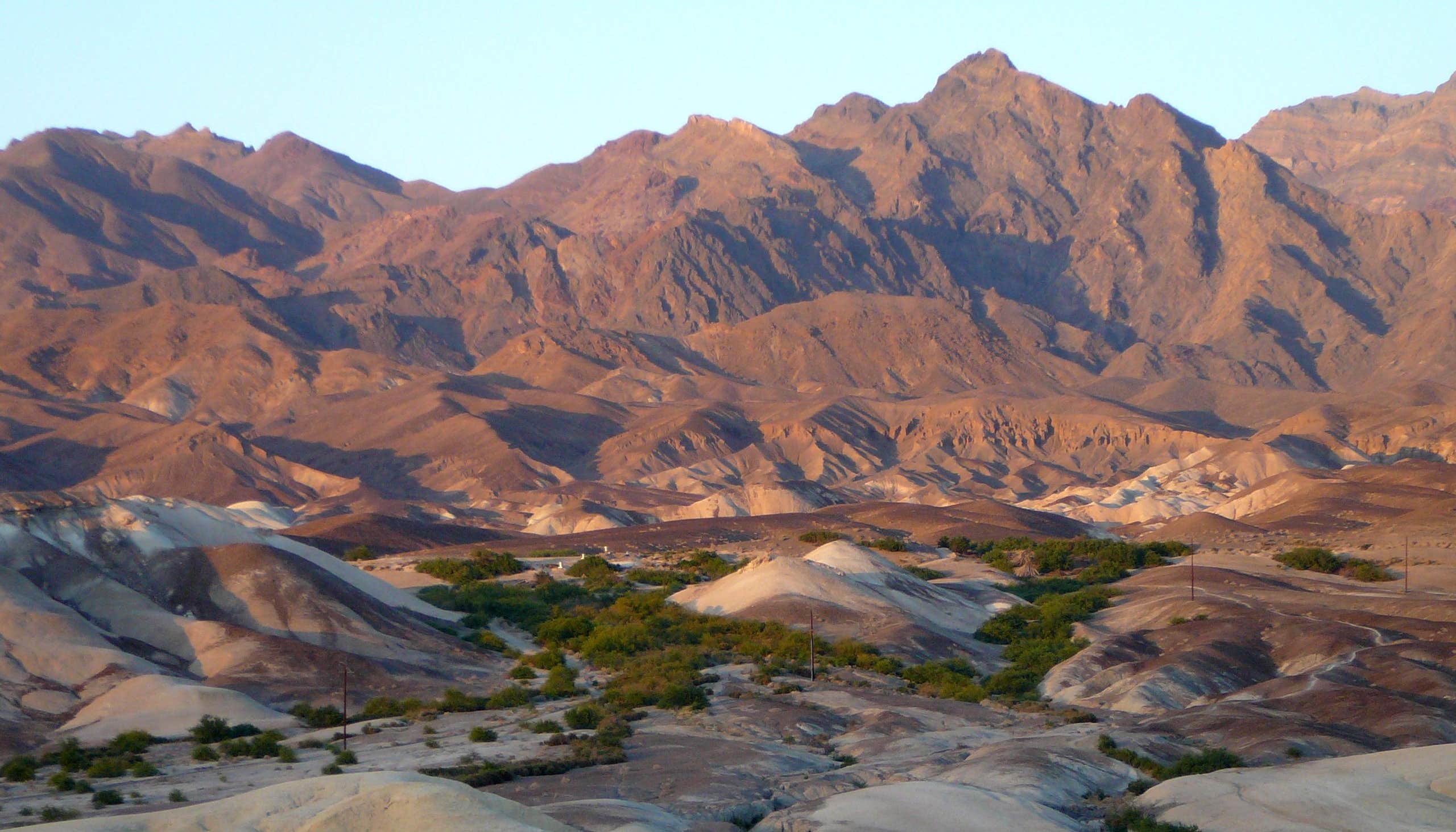
 Photo by The Dyrt
 Death Valley National Park Camping Guide
Death Valley National Park spans 3.4 million acres of eastern California and western Nevada, making it the largest national park in the contiguous United States. Campgrounds range from 282 feet below sea level at Furnace Creek to over 8,200 feet in the Panamint Mountains, giving campers a wide range of environments within one park. The valley floor campgrounds near Furnace Creek and Stovepipe Wells offer access to the park's iconic salt flats, sand dunes, and colorful badlands, while the high-elevation sites at Wildrose, Thorndike, and Mahogany Flat provide a cooler escape and access to serious summit hikes. Beyond developed campgrounds, the park contains hundreds of miles of backcountry dirt roads with roadside dispersed camping on a massive scale. This guide covers everything you need to know about planning, booking, and enjoying a Death Valley camping trip, with practical advice from campers who have been there.
Death Valley National Park Camping at a Glance
All Death Valley campgrounds operate on a mix of reservation and first-come, first-served systems depending on the season. Furnace Creek Campground is the only NPS campground that takes advance reservations, through Recreation.gov on a rolling six-month window from October 15 through April 15. All other developed campgrounds operate first-come, first-served. Most campgrounds are open October through April, with the three high-elevation Panamint Mountain campgrounds offering the only reasonable summer camping at the valley-floor end of the park.
Campsite costs range from free at the three primitive Panamint Mountain campgrounds to $44 per night for full-hookup sites at Furnace Creek. Summer temperatures on the valley floor regularly exceed 110 degrees F, and the park recorded its hottest month ever in July 2024. Plan all valley-floor camping between November and March. 2025-2026 update: The park experienced its wettest recorded fall in 2025, with major flooding in August, September, November, and December. Several roads and one campground remain closed from flood damage -- always check current conditions at nps.gov/deva before your trip. Campers looking for dispersed camping near Death Valley National Park or tent camping in Death Valley will find both well-developed options and truly remote sites across the park's enormous footprint.
Death Valley National Park Campground Quick Facts
| Quick Facts | Details |
|---|---|
| Number of Campgrounds | 9 developed NPS campgrounds plus private options, backcountry roadside sites, and dispersed camping across 3.4 million acres |
| Total Developed Campsites | Approximately 700+ sites. Furnace Creek: 136 individual + 5 group. Sunset: ~230. Stovepipe Wells: 190. Texas Spring: 92. Mesquite Spring: 30. Wildrose: 23. Thorndike: 6. Mahogany Flat: 10. Emigrant: 10 (closed) |
| Campsite Costs | $30/night standard sites (Furnace Creek); $44/night full hookup (Furnace Creek); $20/night Texas Spring and Mesquite Spring; $18/night Stovepipe Wells and Sunset; Free at Wildrose, Thorndike, Mahogany Flat. 50% discount for Senior/Access pass holders on standard sites. |
| Reservation Platforms | Recreation.gov (Furnace Creek only, Oct 15-Apr 15, 6-month rolling window). All other campgrounds are first-come, first-served only. |
| Camping Seasons | Valley floor: October-April (summer camping unsafe due to extreme heat). High elevation (Wildrose/Thorndike/Mahogany Flat): Year-round to seasonal, weather permitting. Mesquite Spring: Year-round. |
| Temperature Ranges | Valley floor winter: 65-75 degrees F days, 38-50 degrees F nights. Valley floor summer: 110-120 degrees F days, 85-95 degrees F nights. Wildrose (4,100 ft): 50-85 degrees F days year-round. Mahogany Flat (8,200 ft): 70s-80s degrees F summer days, below 0 degrees F possible winter nights. |
| 2025-2026 Updates | Emigrant Campground closed since August 2025 (flood damage to water pipeline, no repair date). Multiple paved and unpaved roads closed from fall 2025 flooding. Scotty's Castle closed since 2015, limited walking tours only. Salt Creek boardwalk reopened February 2026 after 3.5-year closure. Always verify road conditions before arrival. |
Death Valley Campgrounds: Complete Guide
Furnace Creek Area Campgrounds
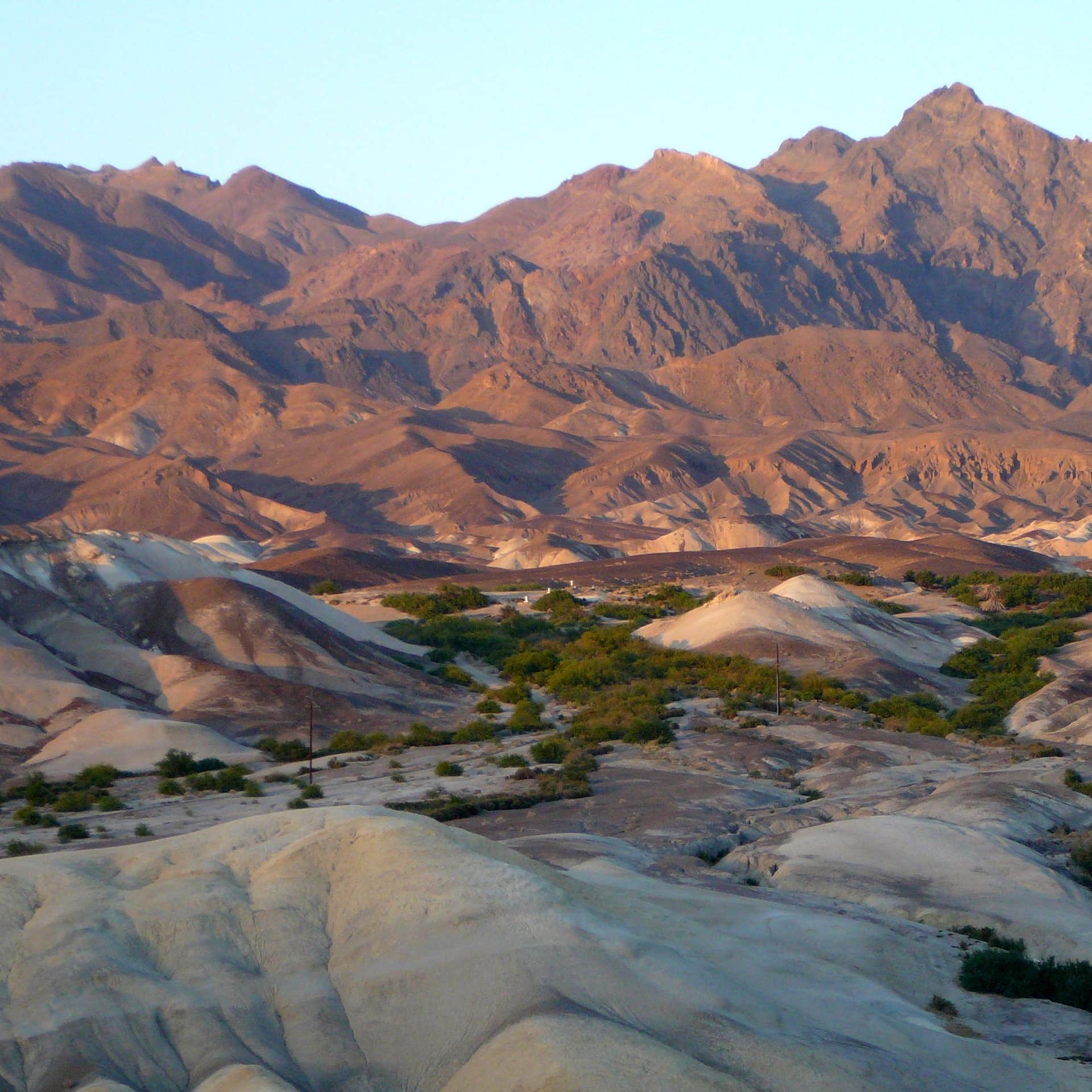
Furnace Creek Campground — Death Valley National Park
Furnace Creek Campground is the largest and most central NPS campground in Death Valley, sitting at 196 feet below sea level near the Furnace Creek Visitor Center and Borax Museum. It offers 136 individual sites and 5 group sites, with 18 full-hookup sites (30/50-amp electric, water, sewer) at $44 per night and standard dry sites at $30. All sites include picnic tables and fire rings, with flush toilets, potable water, and a dump station on-site. Hookup sites accommodate RVs of virtually any length; standard sites fit rigs up to 35 feet. During the reservation season (October 15-April 15), all sites are bookable through Recreation.gov on a rolling six-month window, with hookup sites selling out within minutes of release. From mid-April through mid-October, 41 first-come, first-served sites remain open. Generator hours are 7 AM-7 PM. The campground enforces a 14-day annual camping limit. No showers on-site; shower and pool passes are available at Furnace Creek Resort nearby.
Texas Springs Campground — Death Valley National Park
Texas Spring Campground sits on a hillside just south of Furnace Creek at 196 feet below sea level and offers 92 sites (26 tent-only) at $20 per night. It runs seasonally from mid-October through mid-April on a first-come, first-served basis only. Sites include picnic tables, fire rings, flush toilets, potable water, and a dump station. RVs up to 35 feet are accepted. Generators are prohibited, making this the quietest campground in the Furnace Creek cluster. Some tamarisk trees provide patchy shade. Texas Spring fills quickly on winter weekends -- arrive by early afternoon on weekdays or late morning on weekends. The slightly elevated position above the valley floor gives wider views of the surrounding mountains compared to Furnace Creek.
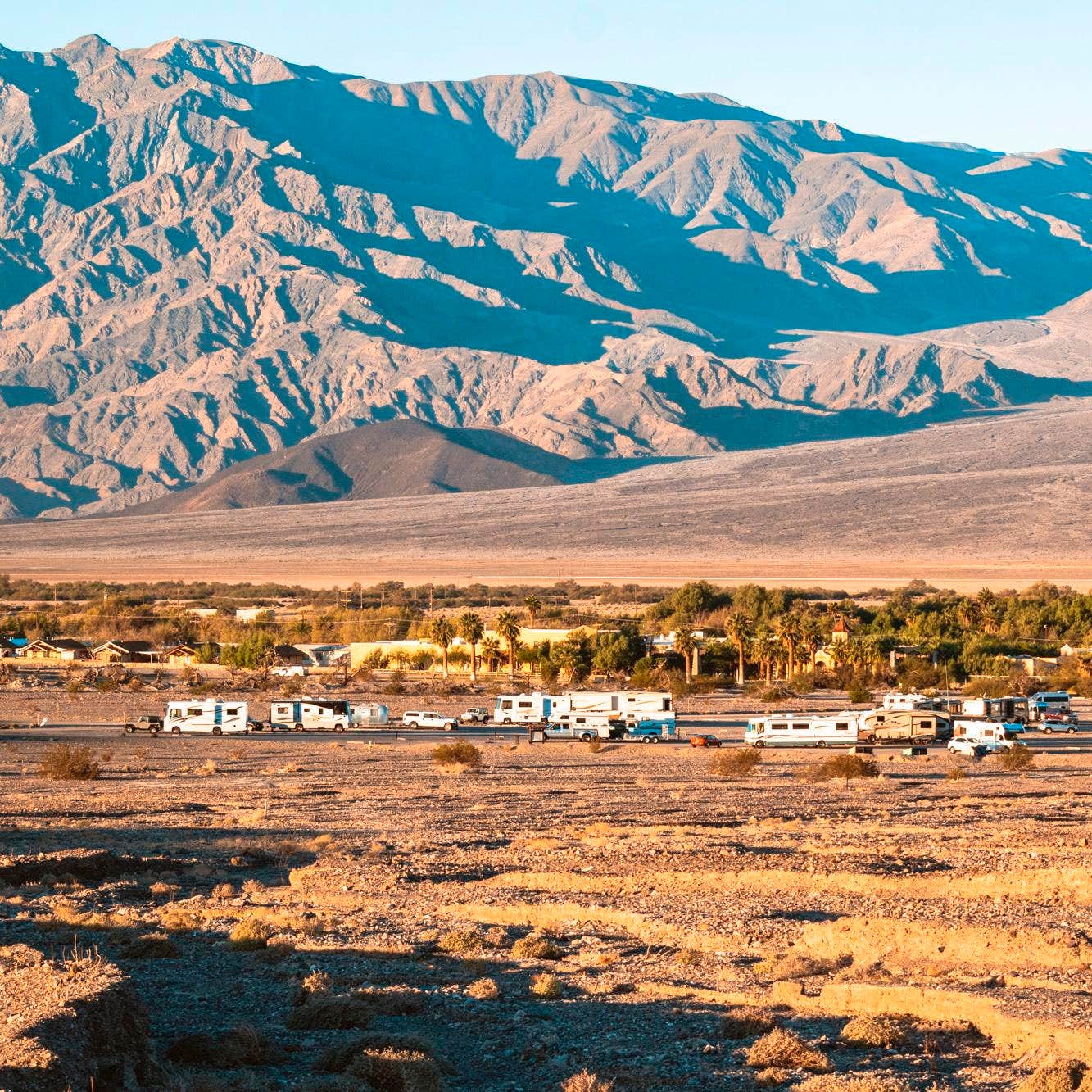
Sunset Campground — Death Valley National Park
Sunset Campground offers the most open camping in Death Valley, with approximately 230 sites spread across a large, flat gravel area at 196 feet below sea level. Sites run $18 per night from mid-October through mid-April on a first-come, first-served basis. Unlike other Furnace Creek-area campgrounds, Sunset has no individual picnic tables or fire rings -- it is designed primarily as a large-vehicle and overflow campground, with no RV length limits. Flush toilets, potable water, and a dump station are provided. Generator hours run 7 AM-9 PM. Because of its overflow character, Sunset rarely fills even during peak winter season and serves as a reliable fallback when Furnace Creek and Texas Spring are full. The Oasis at Death Valley's Fiddler's Campground is a short walk away and provides pool access for a fee.
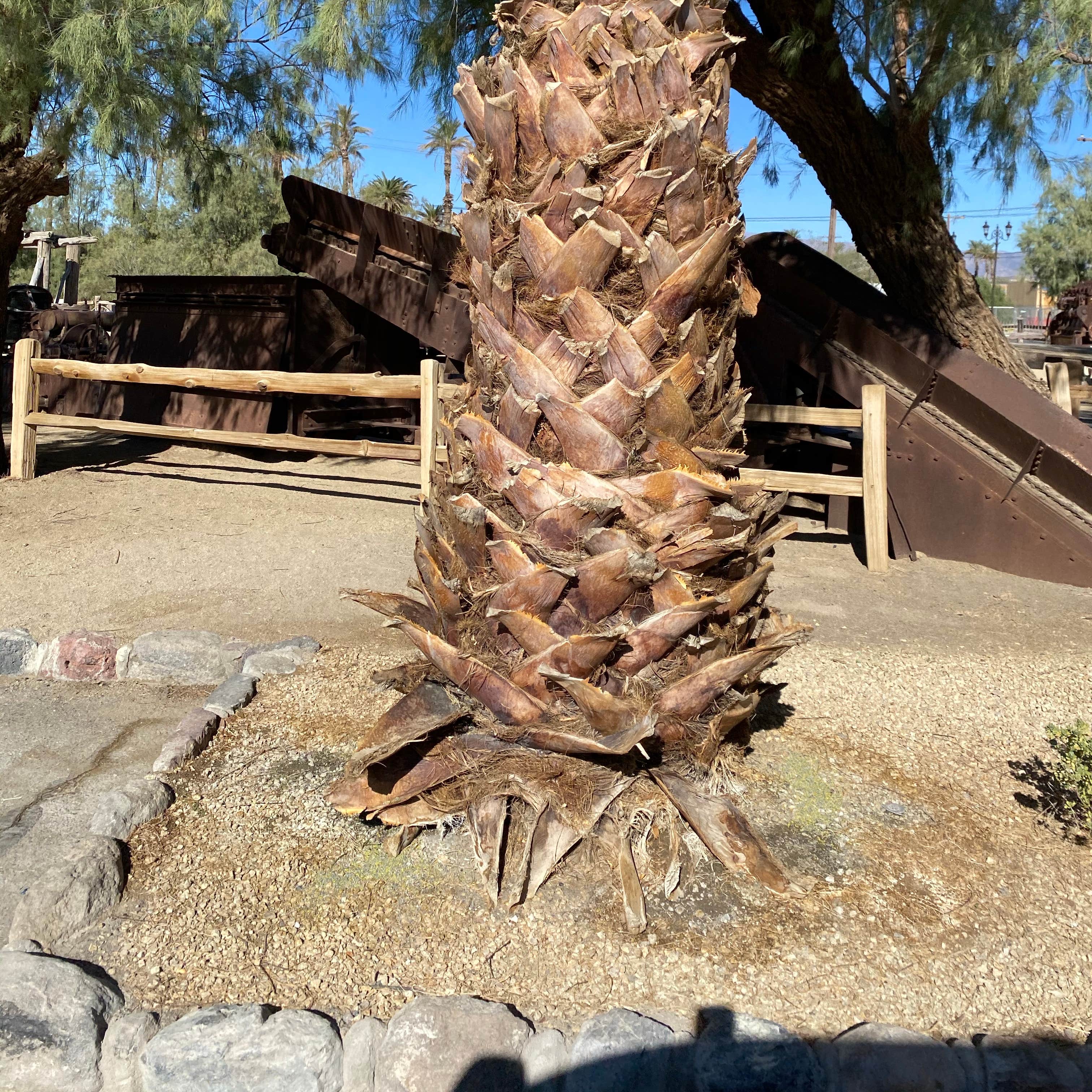
The Oasis at Death Valley Fiddlers' Campground
Fiddler's Campground at the Oasis at Death Valley is a privately operated alternative sitting immediately adjacent to the NPS Furnace Creek area. It offers 35 sites at $29-$34 per night and is operated by Xanterra. Guests have access to the spring-fed pool, showers, and resort services at the Oasis property next door. The campground accommodates tents and smaller RVs. Reservations can be made through the Oasis at Death Valley resort directly. Its central location near the visitor center, Borax Museum, and Badwater Road makes it a convenient base for exploring the park's main corridor.
Stovepipe Wells Area
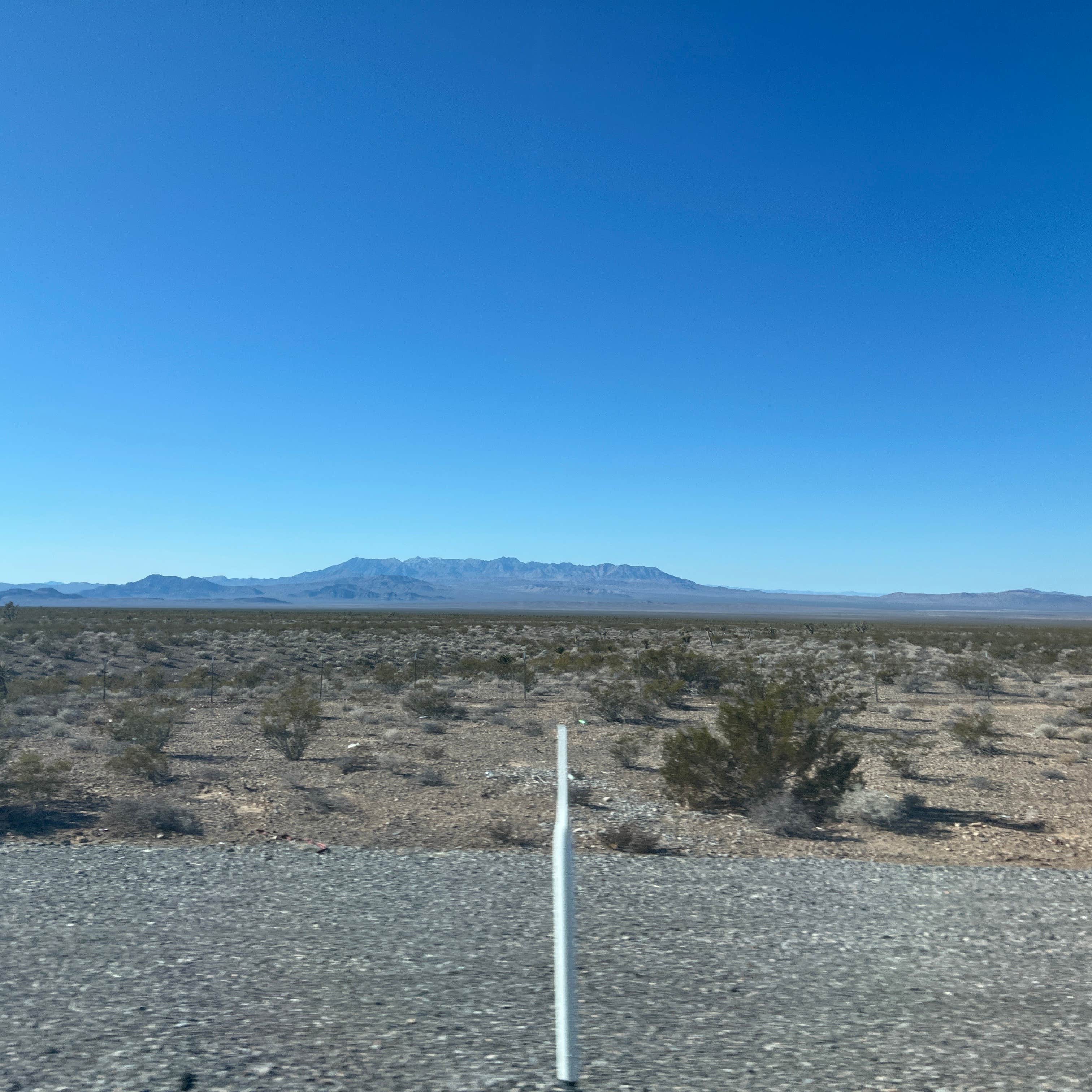
Stovepipe Wells Village RV Park — Death Valley National Park
Stovepipe Wells Village RV Park is a privately operated campground adjacent to Stovepipe Wells Village, offering 14 full-hookup sites (water, electric, sewer) at approximately $40 per night. Sites accommodate larger rigs and provide a reliable hookup option for RV campers in the central park corridor. Reservations are available through the Stovepipe Wells hotel directly. Guests have access to the hotel's pool and restaurant. The location puts campers within 2 miles of the Mesquite Flat Sand Dunes and convenient to Mosaic Canyon and the park's central attractions.
Panamint Springs Area
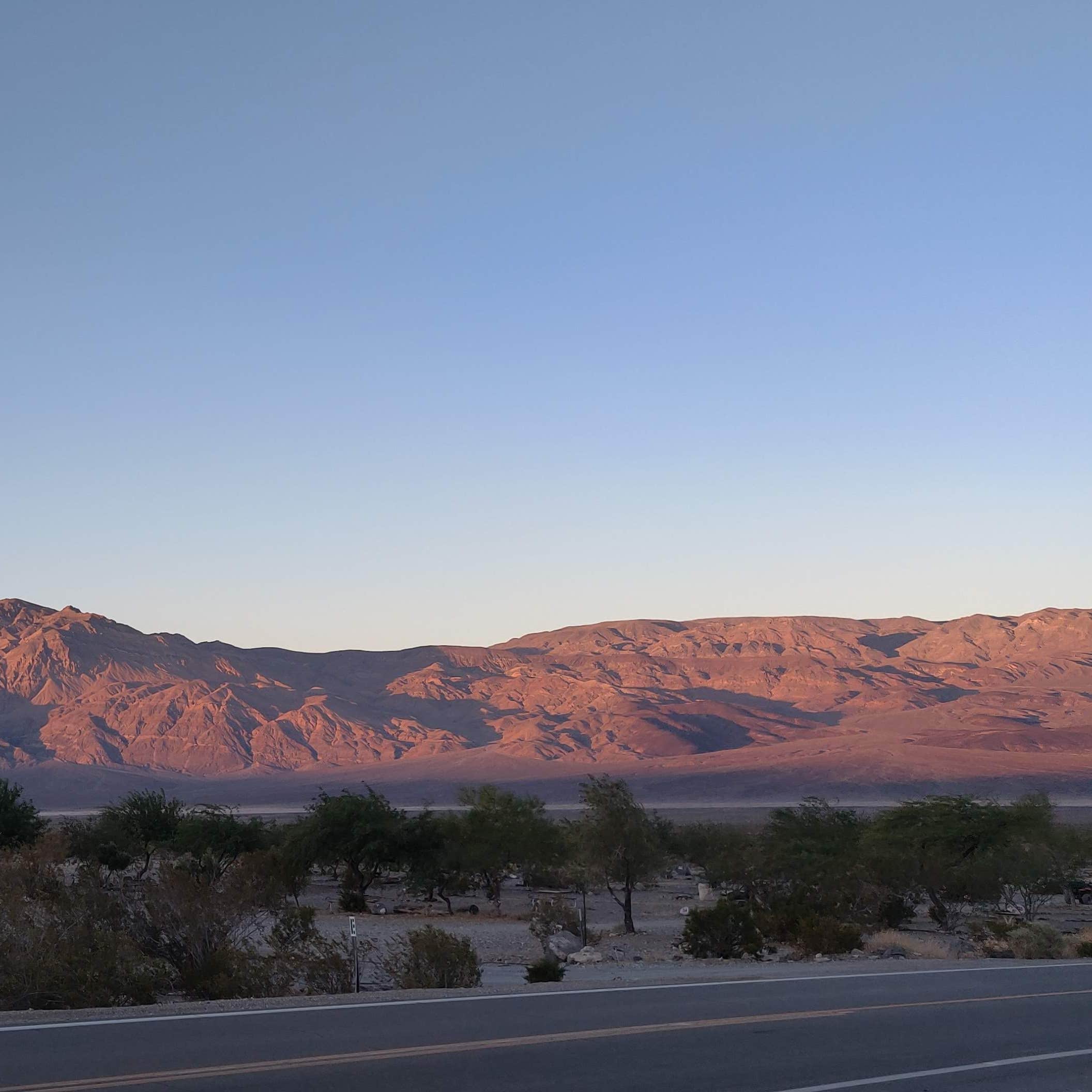
Panamint Springs Resort
Panamint Springs Resort, a privately operated campground on Highway 190 at the park's western edge, provides the most full-featured camping services on the west side of Death Valley. Tent sites run $15 per night, dry RV/tent sites $30, and 6 full-hookup sites (30/50-amp) run $60 per night. Hot showers are included with every site. A restaurant, bar, and general store operate across the road. Reservations are available by phone at (775) 482-7680. The slightly higher elevation on the Panamint Valley floor makes temperatures moderately more tolerable than the main valley, and the resort is an ideal base for exploring Darwin Falls, Father Crowley Vista, and the western park attractions.
Northern Park Campgrounds
Mesquite Spring Campground — Death Valley National Park
Mesquite Spring Campground sits in the northern portion of Death Valley at 1,800 feet elevation, about 5 miles south of Scotty's Castle and close to Ubehebe Crater. It offers 30 sites at $20 per night, operates year-round on a first-come, first-served basis, and is the northernmost developed campground in the park. Sites include picnic tables, fire grates, flush toilets, potable water, and a dump station. RVs up to 35 feet fit most sites. The higher elevation provides noticeably cooler temperatures than the valley floor, and the campground's relative distance from Furnace Creek means it stays quieter than the main cluster. It provides the best base for Ubehebe Crater, the Racetrack backcountry route, and the reopened Scotty's Castle walking tours. Verify road access before visiting, as the area has been impacted by periodic storm closures.
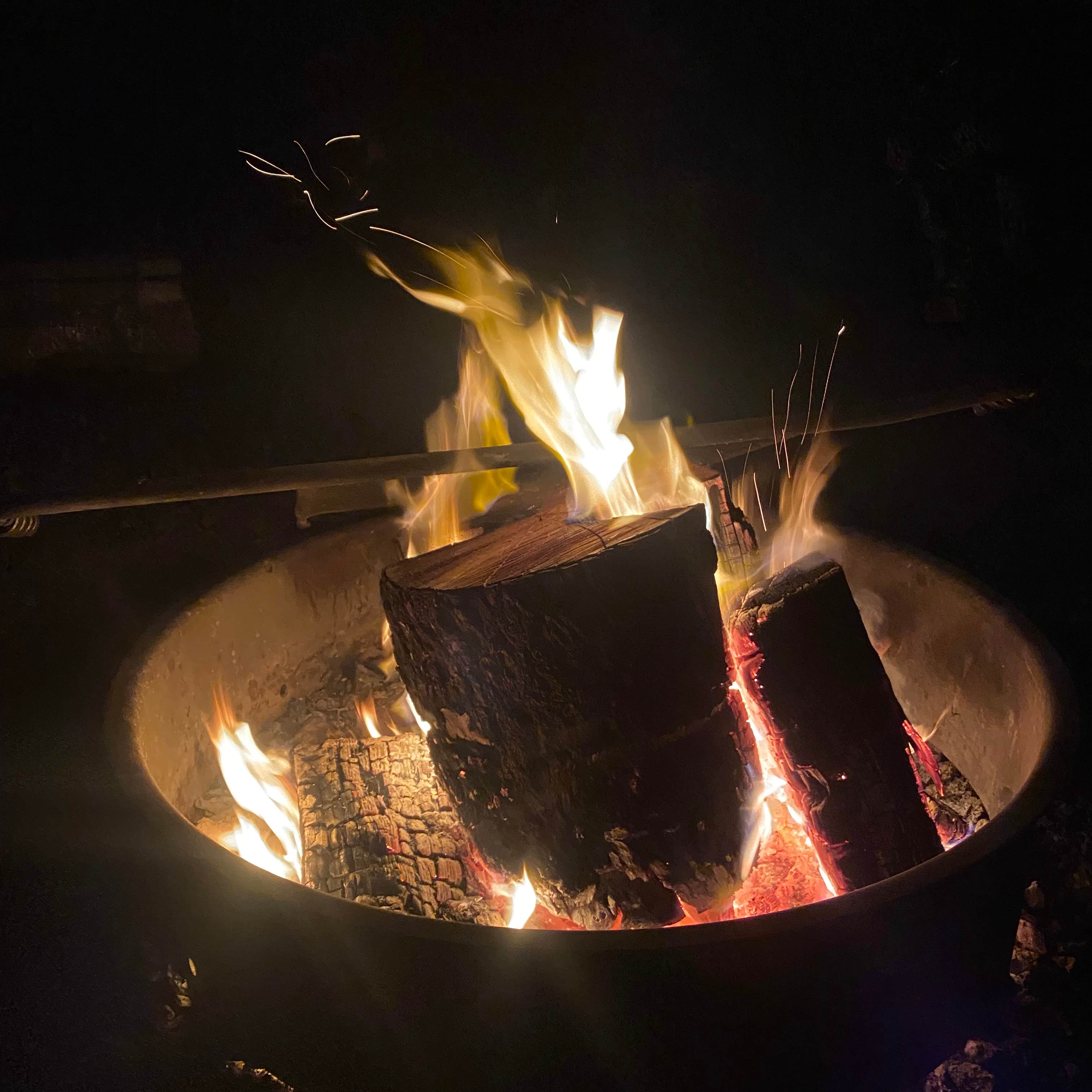
Mesquite Springs Campground
Mesquite Spring is the park's northernmost developed campground and a strong alternative to the crowded Furnace Creek cluster. Its 30 first-come, first-served sites at $20 per night sit at a comfortable 1,800 feet elevation year-round, with access to flush toilets, potable water, and a dump station. This campground draws visitors headed to Ubehebe Crater, the Racetrack, and the Saline Valley backcountry. The surrounding area at this elevation provides some of the best stargazing in the park on clear winter nights.
High-Elevation Panamint Mountain Campgrounds
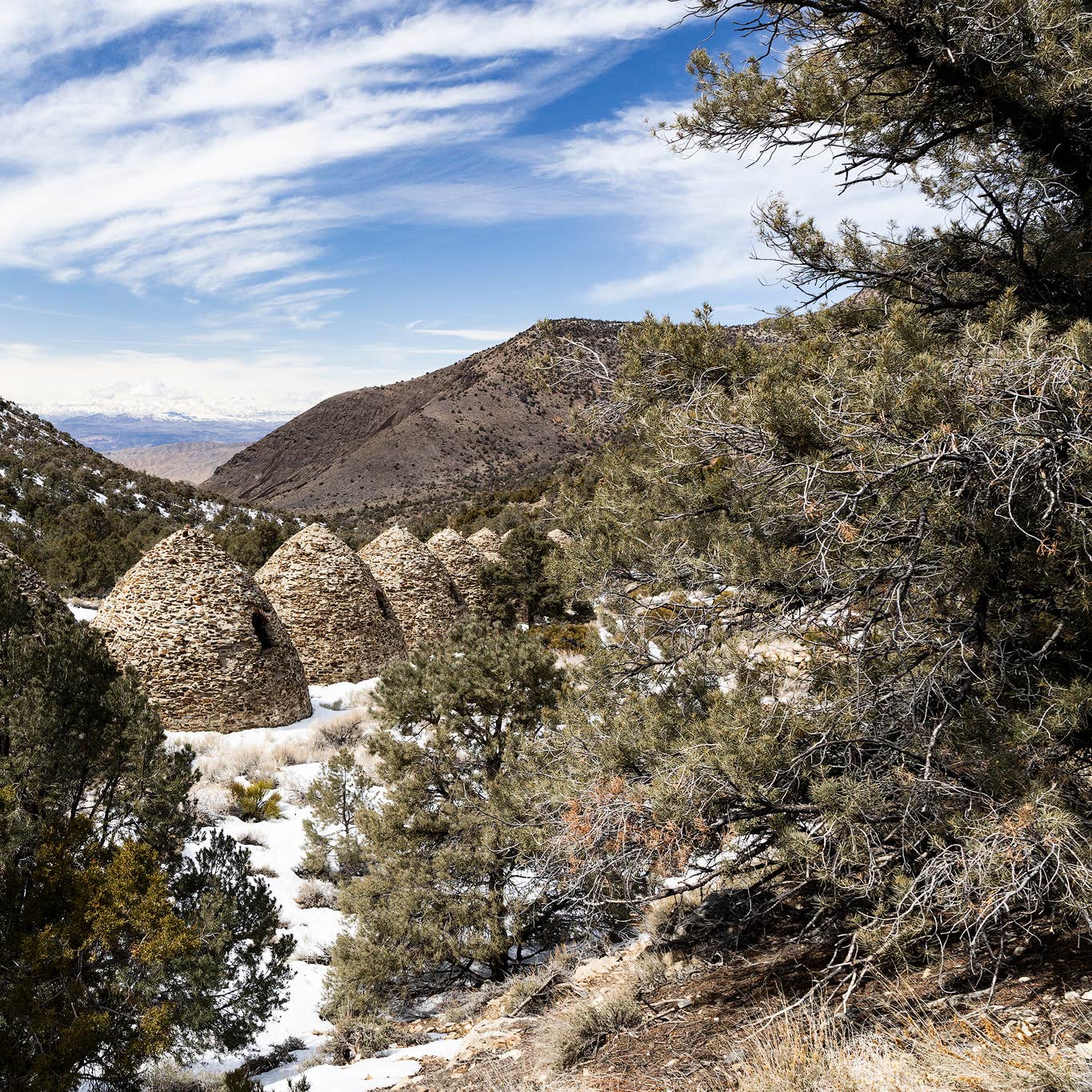
Wildrose Campground in Death Valley
Wildrose Campground sits at 4,100 feet in the Panamint Mountains and offers 23 free sites on a first-come, first-served basis year-round (weather permitting). Sites include picnic tables, fire rings, and potable water (seasonally available; verify before arrival). Vault toilets serve the campground. RVs up to 25 feet are accommodated on the paved access road. The elevation makes Wildrose viable during months when valley-floor camping is miserable, and the nearby 10 historic Charcoal Kilns -- 10 remarkably preserved stone beehive structures built in 1877 -- are an easy 2-mile drive up the road. Wildrose Peak trailhead is accessible from the kilns and provides access to one of the park's best summit views. No generators are permitted.
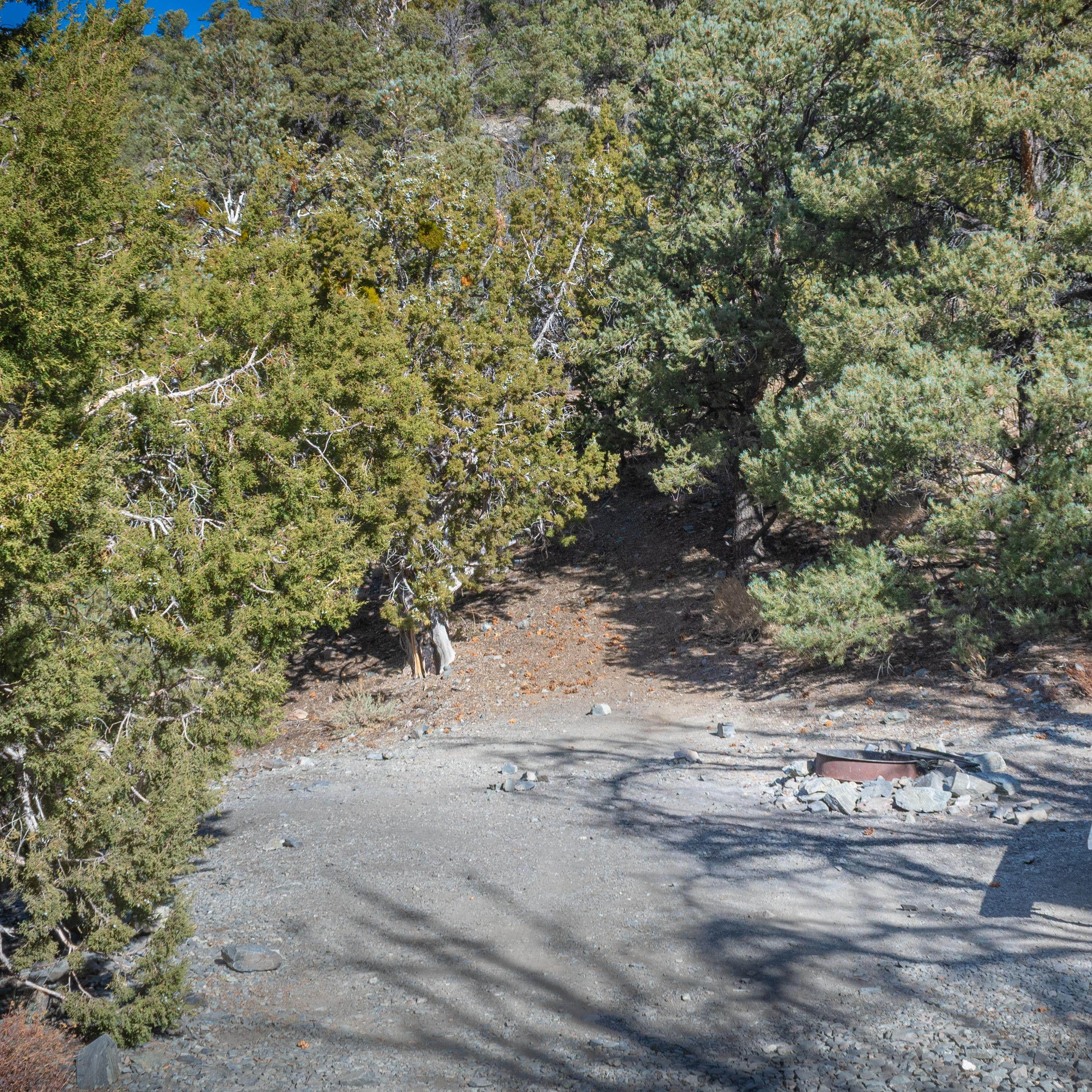
Thorndike Primitive Campground — Death Valley National Park
Thorndike Campground at approximately 7,400 feet elevation in the Panamint Mountains provides 6 free primitive sites with vault toilets and fire rings but no potable water. A high-clearance vehicle is strongly recommended for the unpaved road from Wildrose. The campground sits among pinyon pines and juniper at an elevation that stays snow-free from roughly May through November, with cooler summer temperatures ideal for avoiding the valley heat. The remoteness means near-total solitude most of the time. Bring all water from Wildrose Campground below.
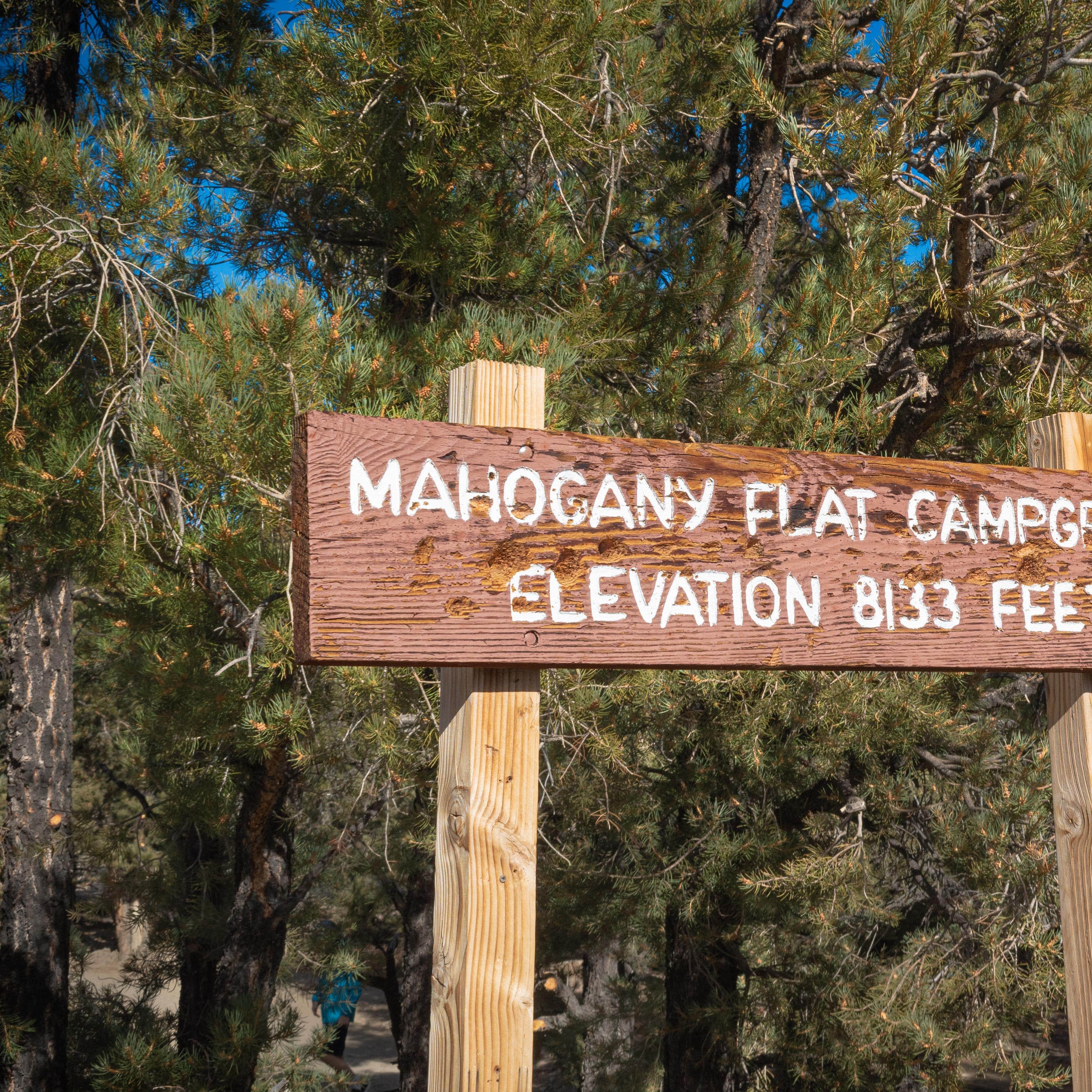
Mahogany Flat Primitive Campground — Death Valley National Park
Mahogany Flat Campground at 8,200 feet is the highest campground in Death Valley and the trailhead for the Telescope Peak summit route. It offers 10 free primitive sites with vault toilets and fire rings but no potable water. High-clearance 4WD is often required for the final road section, especially when ice or snow is present from late fall through spring. The campground typically operates from approximately March through November, but conditions vary. Campers here wake up above most of the park with dark skies and pinyon-juniper forest surrounding them. Plan to pack in all water. Mahogany Flat sits about 3.5 miles past the Charcoal Kilns.
Campground Comparison Table
| Campground | Location and Sites | Cost and Reservations |
|---|---|---|
| Furnace Creek | Valley floor (-196 ft) 136 individual + 5 group sites 18 full-hookup sites available Max RV: 100 ft (select sites) | $30/night standard; $44/night hookup Recreation.gov (Oct 15-Apr 15) FCFS mid-Apr to mid-Oct (41 sites) |
| Texas Spring | Furnace Creek hills 92 sites (26 tent-only) Max RV: 35 ft No generators | $20/night First-come, first-served Oct-Apr only |
| Sunset | Furnace Creek area ~230 sites, no length limit Overflow/large-vehicle focus | $18/night First-come, first-served Oct-Apr only |
| Stovepipe Wells | Central park 190 sites No RV length limit | $18/night First-come, first-served Late Oct-Apr 15 |
| Mesquite Spring | North park (1,800 ft) 30 sites Max RV: 35 ft | $20/night First-come, first-served Year-round |
| Wildrose | Panamint Mtns (4,100 ft) 23 sites Max RV: 25 ft | Free First-come, first-served Year-round (weather permitting) |
| Thorndike | Panamint Mtns (7,400 ft) 6 sites High-clearance vehicle recommended | Free First-come, first-served May-Nov (approx) |
| Mahogany Flat | Panamint Mtns (8,200 ft) 10 sites High-clearance 4WD often needed | Free First-come, first-served Mar-Nov (approx) |
Campground Amenities and Best Uses
Furnace Creek Cluster (Valley Floor): Furnace Creek is the best choice for first-time visitors and anyone who wants hookups, proximity to the visitor center, and easy access to Badwater Road attractions. Texas Spring is the quieter, more pleasant neighbor -- no generators, slightly elevated terrain, and a better atmosphere for tent campers. Sunset functions as a dependable overflow option for RVs and campers who arrive late in the day during peak winter season and just need a spot.
Stovepipe Wells: The best base for sand dune access, Mosaic Canyon, and the central park corridor. The adjacent private RV park offers the only other hookup option besides Furnace Creek. The Dyrt's Death Valley camping advice guide offers community-sourced tips for making the most of the Stovepipe Wells area in particular.
Mesquite Spring: The strongest choice for northern park exploration. Quieter than the Furnace Creek cluster and a reliable year-round option when all valley-floor campgrounds are closed in summer. The Mesquite Spring Campground on The Dyrt has detailed reviews from campers who use it as a base for Ubehebe Crater and Racetrack Playa trips.
High-Elevation Panamint Campgrounds: Wildrose is the most accessible of the three free high-elevation sites and the only one with potable water. It handles smaller RVs and serves as a comfortable base for the Charcoal Kilns and Wildrose Peak. Thorndike and Mahogany Flat are best suited to experienced campers who are comfortable with primitive conditions, no water, and high-clearance vehicle requirements. Mahogany Flat is the only choice for Telescope Peak hikers. These three campgrounds are the only practical summer camping options in the park itself for anyone unwilling to stay in gateway towns. Death Valley RV camping options include hookup sites at Furnace Creek and both Stovepipe Wells private and Panamint Springs Resort.
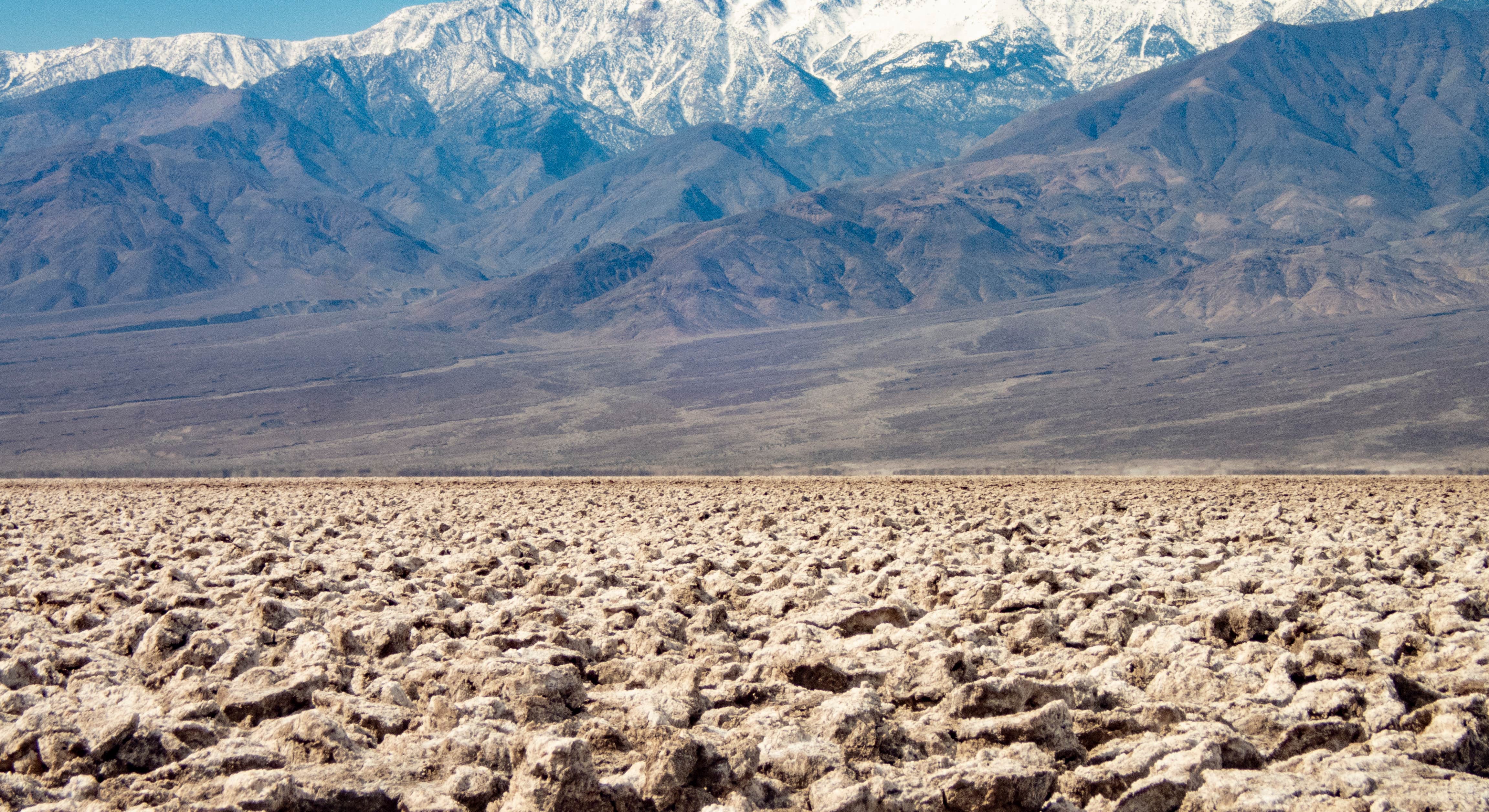 Photo by Marin Maverick
Planning Your Death Valley Camping Trip 
When to Visit Death Valley NP
| Season | Temperatures | Camping Conditions |
|---|---|---|
| Winter (Nov-Feb) | Valley floor: 65-75 degrees F days, 38-50 degrees F nights Panamint Mtns: 40-60 degrees F days, 20-35 degrees F nights | Best valley-floor camping season All Furnace Creek campgrounds active Furnace Creek reservations essential on weekends High-elevation roads may close due to snow |
| Spring (Mar-Apr) | Valley floor: 75-95 degrees F days, 50-65 degrees F nights High elevation: 55-75 degrees F days, 30-45 degrees F nights | Busy season, especially March Wildflower blooms in good years (peak Feb-Apr) Temperatures rising toward unsafe by late April High-elevation campgrounds opening |
| Summer (May-Sep) | Valley floor: 100-120+ degrees F days, 85-95 degrees F nights Mahogany Flat (8,200 ft): 70-85 degrees F days, 40-55 degrees F nights | Valley-floor camping unsafe and not recommended High-elevation Panamint campgrounds only viable option Flash flood risk elevated July-September Emigrant, Texas Spring, Sunset, Stovepipe Wells closed |
| Fall (Oct-Nov) | Valley floor: 75-95 degrees F days in Oct, 65-78 degrees F in Nov Nights: 50-60 degrees F | Valley-floor campgrounds begin opening October 15 Conditions improving but still hot in early October Reservation windows open for Furnace Creek Flash flood risk continues through September |
Winter (November-February):
November through February is the prime camping season on Death Valley's valley floor. Daytime highs stay between 65 and 75 degrees F, with nights dropping to the upper 30s through low 50s. January is the coolest month, with average highs around 65 degrees F and lows near 39 degrees F. Furnace Creek Campground and Texas Spring fill quickly on winter weekends -- reserve Furnace Creek as far in advance as possible and plan to arrive by early afternoon at Texas Spring on Friday or Saturday. Wildflower conditions depend on the preceding months' rainfall; after significant fall rains, February and March can produce spectacular blooms across the valley floor and lower bajadas. Pack warm sleeping gear regardless of daytime warmth -- desert nights cool rapidly after sunset.
Spring (March-April):
March draws the largest crowds of any month, particularly during spring break. Furnace Creek reservations for March weekends disappear within minutes of opening six months out. The weather is generally excellent in March -- warm days, cool nights -- but temperatures climb fast through April. By late April, daytime highs on the valley floor approach 95 degrees F, making afternoon activity uncomfortable. The higher-elevation campgrounds at Wildrose and Mahogany Flat open up through this period as snow recedes, offering the best of both worlds: cooler sleeping temperatures with reasonable drives to valley-floor attractions. Wildflower blooms, when conditions align, peak from late February through mid-April at lower elevations and through May at higher sites.
Summer (May-September):
Summer camping on the valley floor is not recommended. Daytime temperatures routinely exceed 115 degrees F, and overnight lows on the valley floor rarely dip below 85 degrees F in July and August. July 2024 produced the hottest calendar month ever recorded globally, with Death Valley posting a mean daily average of 108.5 degrees F. The all-time record of 134 degrees F was set here in 1913. Heat-related medical emergencies occur multiple times per week during summer. If you must visit between May and September, camp at Mahogany Flat or Thorndike and limit valley-floor time to early morning. Flash floods are most likely during the July-September monsoon season, when isolated thunderstorms can dump an inch of rain in an hour across an otherwise dry sky. Never camp in wash bottoms or dry canyon floors.
Fall (October-November):
October is a transitional month. Early October still brings valley-floor highs in the mid-90s, but conditions improve quickly. Most valley campgrounds open on or around October 15, and the Furnace Creek reservation window kicks in at the same time. Arriving in late October or November offers reliable warmth without the extreme heat, smaller crowds than peak winter months, and clear desert skies. The park can receive flash-flooding storms through October, so monitor weather forecasts for thunderstorm activity in the surrounding mountains.
Death Valley Reservation Systems Explained
Securing a Death Valley campsite is simpler than most national parks because only one campground takes advance reservations.
Furnace Creek Campground (Recreation.gov) is the only NPS campground in Death Valley with a reservation system. From October 15 through April 15, all sites are bookable through Recreation.gov on a rolling six-month window. Create your Recreation.gov account in advance and be ready at 10:00 AM Eastern / 7:00 AM Pacific on the day your window opens. Full-hookup sites -- all 18 of them -- are extremely competitive and fill within minutes. Standard sites book faster on weekends and holiday periods than weekdays. From mid-April through mid-October, only 41 first-come, first-served sites remain open, unstaffed during extreme summer heat.
All other NPS campgrounds (Texas Spring, Sunset, Stovepipe Wells, Mesquite Spring, Wildrose, Thorndike, Mahogany Flat) operate entirely on a first-come, first-served basis. Texas Spring and Stovepipe Wells fill most reliably on winter weekends; Sunset almost never fills. For Texas Spring on busy weekends, aim to arrive by noon on Fridays. Mesquite Spring fills only rarely. The three high-elevation Panamint campgrounds almost never fill, even in peak periods.
Private campground reservations: Panamint Springs Resort accepts phone reservations at (775) 482-7680 and fills on winter weekends. Stovepipe Wells Village RV Park accepts reservations through the hotel website. Fiddler's Campground at the Oasis at Death Valley books through the resort directly. The Death Valley Inn and RV Park in nearby Beatty, Nevada, accepts reservations and offers an affordable gateway-town alternative.
Backcountry roadside camping permits: Four corridors now require paid permits ($10 per night) through Recreation.gov: Echo Canyon, Hole in the Wall, Cottonwood-Marble Canyon, and Greenwater Valley. All other backcountry roadside camping on unrestricted dirt roads remains permit-free, though the NPS recommends a free voluntary permit available at the Furnace Creek Visitor Center.
For cancellations at Furnace Creek, check Recreation.gov frequently in the 7-14 days before your desired dates when final cancellation deadlines pass.
Death Valley NP Campground Costs and Budgeting
| Campground Type | Nightly Cost | Key Features |
|---|---|---|
| Furnace Creek (hookup) | $44 | Full hookups (water, electric, sewer), flush toilets, dump station, potable water |
| Furnace Creek (standard) | $30 | Picnic tables, fire rings, flush toilets, potable water, dump station |
| Texas Spring / Mesquite Spring | $20 | Picnic tables, fire rings, flush toilets, potable water, dump station. No generators at Texas Spring. |
| Sunset / Stovepipe Wells | $18 | Flush toilets, potable water, dump station. Sunset has no individual tables or fire rings. |
| Wildrose / Thorndike / Mahogany Flat | Free | Vault toilets, fire rings. Potable water at Wildrose only (seasonally). No generators. |
| Private (Panamint Springs hookup) | $60 | Full hookups, showers, restaurant, store, slightly higher elevation |
Additional Fees and Budget Tips
Park entrance fees: Private vehicle 7-day pass costs $30. Motorcycles pay $25 for 7 days. Pedestrians and cyclists pay $15 per person for 7 days. The Death Valley Annual Pass costs $55. The America the Beautiful Annual Pass at $80 covers all federal fee areas for one year. Senior Annual Pass costs $20 (or $80 lifetime). Military and Veterans passes are free, as are Access passes for permanent disabilities. The entire park is cashless -- credit or debit cards only at all fee stations.
Senior and Access pass discounts: Holders of Senior and Access passes receive a 50% discount on standard campsite fees (not on utility surcharges or group sites), reducing Furnace Creek standard sites to $15 per night and Texas Spring to $10.
Backcountry permit fees: The four designated permit-required corridors (Echo Canyon, Hole in the Wall, Cottonwood-Marble Canyon, Greenwater Valley) charge $10 per night through Recreation.gov. All other dispersed camping on unrestricted backcountry roads remains free.
Budget strategies: Camp on weeknights to maximize chances at first-come campgrounds. Use Sunset as an overflow alternative -- it almost never fills. Bring all food and supplies from Beatty or Pahrump, where prices are significantly lower than inside the park. The dispersed camping near Death Valley options on surrounding BLM land near Shoshone and Trona offer completely free camping close to the park. Tent camping in Death Valley National Park ranges from the well-serviced sites at Furnace Creek to the completely primitive free sites high in the Panamint Mountains. Campers approaching from the Nevada side should also check camping near Amargosa Valley and the Amargosa Valley RV Park for affordable base-camp options just east of the park boundary.
Essential Gear for Death Valley Camping
The desert environment demands preparation unlike any other national park. Temperature swings of 40-50 degrees F between day and night are common even in winter, and the complete absence of water outside developed areas makes self-sufficiency essential.
Water and Heat Management:
- Minimum one gallon of water per person per day for developed campgrounds; two gallons per person per day for hiking or backcountry travel
- Vehicle emergency water supply (10-20 gallons for backcountry trips)
- Insulated water bottles and hydration pack to reduce ice consumption
- Shade structure or reflective tarp for day use
- Battery-powered fan for early and late season camping
Sleeping Gear:
- Sleeping bag rated for at least 25 degrees F below expected low temperatures
- Insulated sleeping pad (R-value 3 or higher) -- desert ground loses heat rapidly at night
- Extra blanket layer for cold-weather camping at high elevation
Vehicle Preparation:
- Full spare tire (two spare tires strongly recommended for backcountry routes)
- Extra fuel -- no gas is available between Furnace Creek, Stovepipe Wells, and Panamint Springs
- Tire inflation kit and portable compressor
- Tow strap and basic recovery equipment for sandy or rocky backcountry roads
- Jumper cables or jump starter pack (cold nights can drain batteries)
Kitchen Setup:
- Camp stove and sufficient fuel (campfires not always available; firewood cannot be gathered)
- All food and supplies stocked before entering the park -- prices inside are significantly higher
- Hard-sided cooler with quality ice; block ice lasts significantly longer than cubed in desert heat
- Water containers for sites without individual water access
Clothing and Sun Protection:
- Sun hat with wide brim and sun-protective clothing rated UPF 50+
- Sunglasses with UV protection
- High-SPF sunscreen and lip balm -- UV intensity at low elevation is extreme
- Warm layers for evenings and nights even in peak season
- Sturdy closed-toe footwear for rocky terrain and salt flat surfaces
Navigation and Communication:
- Satellite communicator (Garmin inReach, SPOT, or similar) -- cell service is essentially nonexistent throughout most of the park
- Downloaded offline maps before arrival -- GPS apps require cell signal to load map tiles
- Physical printed map of the park
- Paper copy of campground reservation confirmation -- do not rely on cell signal at check-in
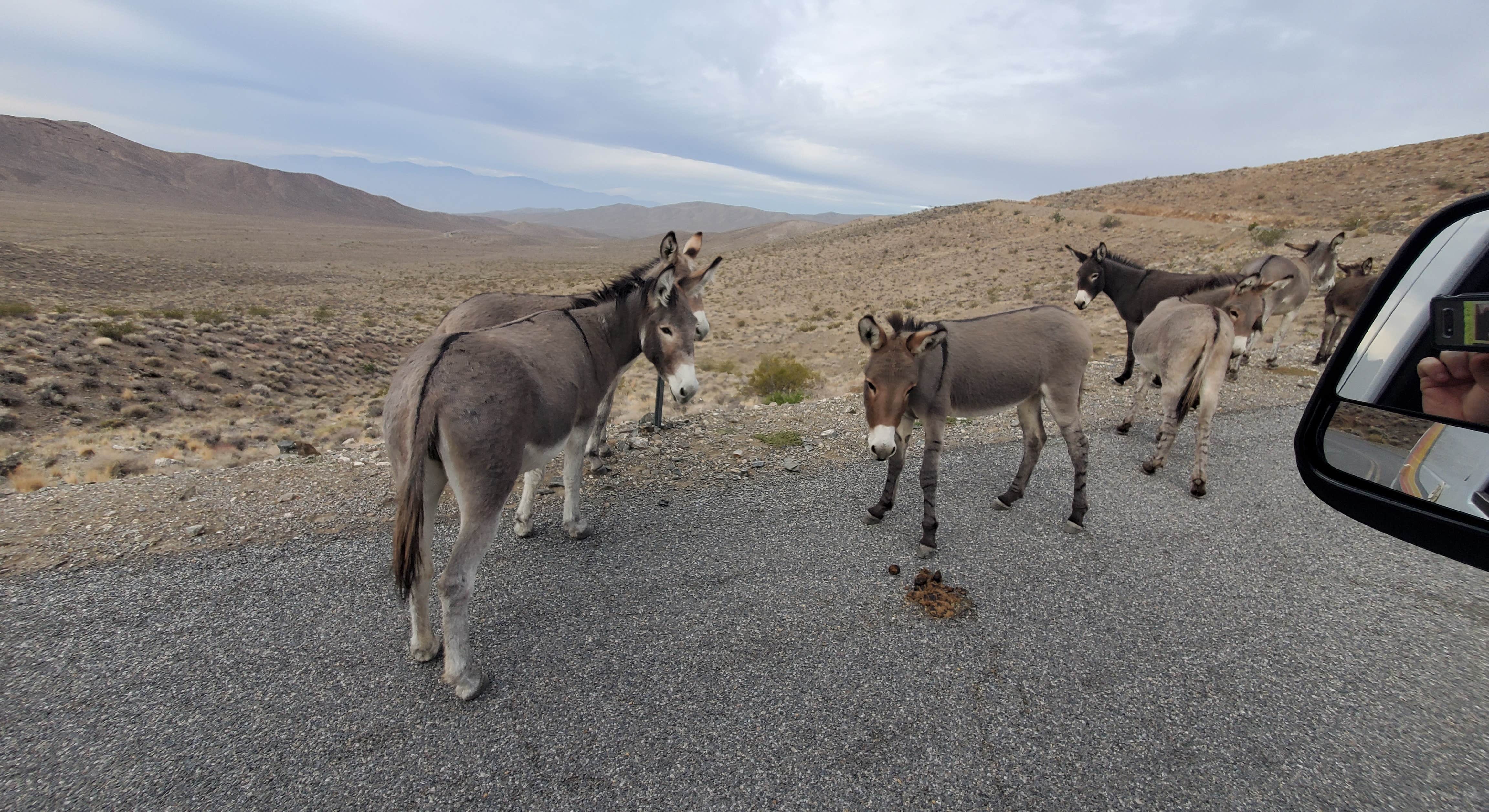 Photo by Mike C
Wildlife Safety and Death Valley Regulations 
Heat Safety in Death Valley
Death Valley is the hottest place on earth, holding the all-time recorded air temperature record of 134 degrees F (set July 10, 1913). Ground surface temperatures in summer commonly exceed 200 degrees F. The NPS mandates a minimum of one gallon of water per person per day -- active hikers should plan for one liter per hour of exertion. Heat exhaustion presents as nausea, fatigue, headaches, and pale, clammy skin; heat stroke adds confusion and behavioral changes and is a life-threatening emergency. On average, someone dies of heat-related illness roughly every other year in Death Valley.
The NPS advises staying within minutes of air conditioning during summer, hiking only before 10 AM or at high elevations, and never hiking valley-floor trails between late spring and early fall. If your vehicle breaks down, stay with it. Your vehicle provides shade and makes you far more visible to rescuers than a person on foot. In extreme heat, rescue helicopters cannot generate sufficient lift to operate, and rangers will not conduct operations that endanger their own lives. Leave a dated note describing your situation and plan before attempting to walk for help.
Flash flooding can strike any time of year but peaks during the July-September monsoon season. A thunderstorm over distant mountains can send a wall of water racing through a dry canyon with no warning. Never camp in wash bottoms or dry canyon floors, and move to high ground immediately if you hear rushing water. The park recorded catastrophic floods in August 2022, August 2023 (Hurricane Hilary), September 2025 (Tropical Storm Mario), and December 2025, closing roads and campgrounds repeatedly.
Desert Wildlife Awareness
Death Valley hosts a wide range of desert-adapted wildlife across its elevation zones. Most animals are crepuscular or nocturnal to avoid daytime heat, so dawn and dusk are the best viewing times.
Snakes: The Sidewinder rattlesnake is the most commonly encountered venomous species on sandy terrain at lower elevations. The Mojave rattlesnake occupies desert scrub and rocky areas and carries extremely potent neurotoxic venom -- it is more aggressive than most rattlesnakes and should be given wide clearance. Watch where you step and place your hands, and never reach under rocks or into brush without looking first.
Scorpions and spiders: Scorpions are nocturnal and shelter under rocks, in shoes, and in gear left on the ground. Shake out boots, clothing, and sleeping bags every morning without exception. Black widow spiders occupy dark, sheltered spaces including outhouses and gear storage areas. Desert hairy scorpions -- the largest in North America at up to 5.5 inches -- are common but not typically life-threatening to healthy adults.
Coyotes: Coyotes near Furnace Creek have become habituated to humans and will approach campsites. They have stolen food, small pets, and unsecured items. Store all food in sealed vehicles or provided containers and never leave pets unattended outside.
Desert bighorn sheep, wild burros, and kit foxes are all present. Wild burros are not native and are managed by the park; do not feed them. Desert tortoises are a threatened species -- do not approach, touch, or pick them up. If you encounter one on a road, do not move it unless it is in immediate danger.
Death Valley Park Regulations and Etiquette
| Regulation Category | Specific Rules | Penalties |
|---|---|---|
| Campfires | Permitted only in NPS-provided metal fire rings at developed campgrounds No gathering of any firewood from within the park All ash must be packed out Above 3,000 ft elevation: open flames banned June 15-Sept 15 (pressurized stoves permitted) Sunset Campground: no ash-producing fires except at group fire ring | Citations and fines Possible campground eviction |
| Quiet Hours | 10:00 PM to 7:00 AM at all campgrounds Generator hours: 7 AM-7 PM (Furnace Creek); 7 AM-9 PM (Sunset) Generators prohibited at Texas Spring and high-elevation campgrounds | Warnings and possible eviction |
| Pets | Allowed in campgrounds on leashes of 6 ft or less (max 4 pets per site) Prohibited on all trails, wilderness areas, Mesquite Flat Sand Dunes (beyond parking lot), and more than 50 ft from roads Cannot be left unattended in vehicles in heat Strongly discouraged May through September | Fines; superintendent may impound animal |
| Backcountry Camping | Camp at least 1 mile from any paved road or day-use-only road Camp in previously disturbed areas only Maintain 100 yards from all water sources Park immediately adjacent to roadway Paid permits ($10/night) required in 4 designated corridors | Citations for non-compliance |
| Drones | Completely prohibited within park boundaries No launching, landing, or operating unmanned aircraft Written superintendent approval required for any exception | Fines |
Additional Park Regulations
Collecting and disturbing resources: Collecting plants, rocks, minerals, animals, or any cultural artifacts is prohibited throughout the park. Do not disturb, move, or stand on the Racetrack Playa's famous sailing stones or approach the playa when wet -- tire tracks last for decades. Cutting or damaging vegetation including cacti carries significant fines.
Waste disposal: Human waste in frontcountry areas must use campground restroom facilities. In the backcountry, catholes must be 4-6 inches deep and at least 200 yards from any water source, trail, or campsite. Pack out all toilet paper. All trash and recyclables must be packed out or deposited in provided bear-resistant containers at campgrounds. Pack out all ash from campfires.
Cell service note: Usable cell coverage is limited to the Furnace Creek area (Verizon and AT&T via a Commnet roaming tower), Stovepipe Wells Village, and potentially the paved highway corridors. Mesquite Spring, Wildrose, Thorndike, Mahogany Flat, and all backcountry areas have no service. Pay phones exist at Furnace Creek (near the market) and Stovepipe Wells (behind the motel office). Carry a satellite communication device for any backcountry travel.
Camping in Death Valley with pets: Pet-friendly camping near Death Valley National Park is possible at all developed campgrounds, but the extreme heat and trail restrictions make the park challenging for dog owners. Gateway towns like Beatty and private campgrounds outside the park boundary offer more flexibility.
 Photo by Debi R
Beyond the Campground: Activities and Exploration 
Day Trips from Death Valley Campgrounds
From Furnace Creek Campgrounds:
Furnace Creek sits at the center of Death Valley's most iconic corridor, putting most of the park's major attractions within 30-45 minutes. Badwater Basin is 17 miles south on Badwater Road -- a 30-minute drive to the lowest point in North America at 282 feet below sea level. An ADA-accessible boardwalk leads to a spring-fed saline pool, and visitors can walk freely onto the vast hexagonal salt formations extending for miles. The best salt polygon patterns appear about a mile out from the parking lot. Go early to avoid heat; the boardwalk can be unbearable after 10 AM even in winter.
Zabriskie Point, just 5 miles from Furnace Creek, is the park's premier sunrise destination. A short 0.3-mile paved path climbs to a panoramic overlook of the Badlands and Manly Beacon. The overlook connects to the full Golden Canyon-Gower Gulch loop. Artist's Drive begins 9 miles south of Furnace Creek off Badwater Road -- a 9-mile one-way route through volcanic hills to Artist's Palette, where oxidized minerals produce brilliant reds, greens, purples, and yellows in the hillsides. The one-way road has a 25-foot vehicle limit; visit in the late afternoon for the most vivid colors. Dante's View requires a 25-mile drive (40-45 minutes) and climbs to 5,475 feet for the best panoramic viewpoint in the park -- straight down to Badwater Basin, across to Telescope Peak, and out to the Sierra Nevada. The final 6-mile approach road restricts vehicles to 25 feet in length.
Harmony Borax Works, just 1 mile north of the visitor center, provides a free 0.5-mile interpretive loop through the remains of an 1880s borax operation. Devil's Golf Course, 13 miles south of Furnace Creek, features acres of jagged, razor-sharp salt formations -- wear sturdy footwear. Twenty Mule Team Canyon, about 4 miles east of Furnace Creek on Highway 190, offers a 2.7-mile unpaved one-way drive through colorful badlands formations with no vehicle length restrictions for standard vehicles.
From Stovepipe Wells Campground:
Mesquite Flat Sand Dunes are essentially right out the front door -- just 2 miles east of Stovepipe Wells on Highway 190. The highest dune tops out around 100 feet, with a roughly 2-mile round-trip route along ridgelines. No marked trail exists; follow the highest ridgeline for the best views. The dunes are one of the park's two Gold Tier International Dark Sky sites for stargazing. Mosaic Canyon trailhead sits at the end of a 2.3-mile gravel road directly opposite the Stovepipe Wells Campground entrance -- polished marble narrows within the first quarter mile, continuing 2 miles into the canyon. Titus Canyon (eastern approach), roughly 35 miles from Stovepipe Wells, is currently closed due to road destruction from floods and is not expected to reopen before spring 2027.
From Mesquite Spring Campground:
Ubehebe Crater sits just 5 miles away -- a maar volcano roughly half a mile across and 600 feet deep with a 1.5-mile rim trail and views across the northern park. Scotty's Castle, 4 miles from the campground, has been closed since the October 2015 flash flood and remains under a multi-decade restoration effort. Limited guided walking tours ($35/person, 20-person capacity) resumed on select weekends in 2024-2025 and continued into 2026 -- all 2026 tours have sold out quickly through the NPS website and Recreation.gov. The Racetrack Playa backcountry route begins 26-28 miles further south on a rough gravel road requiring a high-clearance vehicle with heavy-duty tires. The Timbisha Shoshone campground at Death Valley Junction is a culturally significant site administered by the Timbisha Shoshone Tribe, located near the eastern park boundary. Nearby Ash Meadows dispersed camping in Nevada sits just outside the park boundary and provides access to one of the most important desert spring ecosystems in the Mojave.
From High-Elevation Panamint Campgrounds:
The Charcoal Kilns -- 10 remarkably well-preserved beehive stone structures built in 1877 -- sit 2 miles above Wildrose Campground on a paved road. They're worth the short drive even if you're not hiking. From Mahogany Flat, the Telescope Peak trailhead puts the park's highest summit (11,049 feet) within reach for a full-day out-and-back hike. On a clear day the summit view spans from Badwater Basin -- more than 11,000 feet below -- to Mount Whitney and the Nevada desert. The high-elevation camps also provide access to Father Crowley Vista on the western edge of the park (about 20 miles from Wildrose) for views into the Panamint Valley and Rainbow Canyon.
Top Hiking Trails Near Death Valley Campgrounds
| Trail Name | Difficulty and Distance | Key Features |
|---|---|---|
| Golden Canyon to Red Cathedral | Easy to Moderate 2 miles RT (basic); 4.3 miles (Gower Gulch Loop) | Colorful badland terrain, 20-ft dryfall, Red Cathedral amphitheater, access to Zabriskie Point; starts 2 miles south of Furnace Creek |
| Mosaic Canyon | Moderate 4 miles RT | Polished marble narrows in first quarter mile, canyon walls, 1,000 ft gain; trailhead opposite Stovepipe Wells |
| Mesquite Flat Sand Dunes | Easy 2 miles RT (to highest dune) | Tallest dune ~100 ft, no marked trail, superb stargazing, best at sunrise/sunset; 2 miles east of Stovepipe Wells |
| Natural Bridge Canyon | Easy 1 mile RT | Impressive natural rock bridge, dry canyon walls, minimal elevation gain; 13 miles south of Furnace Creek off Badwater Road |
| Wildrose Peak | Difficult 8.4 miles RT | 9,064-ft summit, 2,200 ft gain, panoramic views of Panamint Valley and Death Valley; starts near the Charcoal Kilns |
| Telescope Peak | Strenuous 14 miles RT | 11,049-ft summit, 3,000 ft gain, bristlecone pines, views from Badwater Basin to Mt. Whitney; snow-free typically June-November; trailhead at Mahogany Flat |
| Salt Creek Interpretive Trail | Easy 0.5-mile loop | ADA accessible boardwalk (reopened February 2026), endemic Salt Creek pupfish best viewed Feb-Apr spawning season; 13 miles north of Furnace Creek |
| Fall Canyon | Moderate to Difficult 6 miles RT | Deep colorful canyon, 2,460 ft gain, 20-ft dryfall, narrow walls; accessed from Titus Canyon parking area on Daylight Pass Road |
Trail Access and Seasonal Considerations
Valley-floor trails (October through April only): Golden Canyon, Natural Bridge Canyon, Salt Creek, Devil's Golf Course, and Badwater Basin boardwalk are best experienced from October through April. Valley-floor hiking from May through September poses serious heat danger -- trail closures are not always posted, but rangers will discourage hikers and may intervene if visitors appear at risk. Start before 7 AM if hiking in shoulder months.
High-elevation trails (May through November): Wildrose Peak and Telescope Peak are inaccessible by road when snow closes the Panamint Mountain roads, typically November through April or May. The Telescope Peak trail itself may hold snow and ice through June at the upper elevations, requiring traction devices. Check current road conditions before attempting Mahogany Flat.
Currently closed trails and routes: Darwin Falls access road is destroyed and the total hike from Highway 190 is now approximately 7 miles round-trip with no shade -- not recommended without strong backcountry experience. Titus Canyon one-way drive is completely closed due to flood damage and not expected to reopen before spring 2027. The Death Valley backcountry roadside camping options in Titus Canyon corridor are also inaccessible for the same reason.
Water Activities in Death Valley
Death Valley is not a water recreation destination, but a few unique options exist:
Saline Valley Warm Springs in the remote northern park area features natural geothermal pools ranging from warm to hot. Getting there requires roughly 45-50 miles of rough dirt road from Highway 190 -- a high-clearance vehicle is essential and a 4WD is strongly recommended. The springs are free and operated on a pack-in, pack-out basis with no formal facilities. Saline Valley dispersed camping near the springs provides free roadside sites and is among the most remote and solitary camping in the park. Spring and fall are the best times to visit -- summer water temperatures at the springs can become uncomfortably high.
Salt Creek, 13 miles north of Furnace Creek, is a rare freshwater source in the park and home to the endemic Salt Creek pupfish. The boardwalk (reopened February 2026) allows close-up viewing of this highly adapted fish, which thrives in water saltier than the ocean.
Badwater Basin contains a permanent shallow brine pool at the base of the salt flat -- not swimmable, but worth seeing up close and touching for the experience of standing 282 feet below sea level.
 Photo by Sarah S
The Dyrt Community Insights 
Ranger Recommendations
The Dyrt Rangers -- experienced campers who document and review camping areas nationwide -- offer these insider tips for Death Valley:
Best Sites at Furnace Creek Campground:
Rangers consistently recommend requesting sites 1-18 in the hookup loop if you have an RV, as these sites have the most utility infrastructure and pull-through access. For tent campers, the outer standard sites along the campground perimeter offer the most distance from neighboring sites. Rangers note that despite the desert setting, the oleander hedges along Furnace Creek's site boundaries create more privacy than you'd expect from a campground this size.
Avoiding the Crowds Without Leaving the Park:
"If Furnace Creek and Texas Spring are full when you arrive, don't give up," notes one longtime Death Valley visitor on The Dyrt. "Mesquite Spring at the north end is often overlooked entirely. It's a better campground anyway -- higher elevation, quieter, and closer to Ubehebe Crater." Several Dyrt Rangers also point out that camping at Hole in the Wall Wash near Death Valley offers free backcountry roadside camping with dramatic scenery, though a permit is now required.
High-Elevation Secret:
"Thorndike is a completely different park," reports one frequent Death Valley camper. "You're sleeping under pinyon pines, the air smells like the real desert, and the temperature at night in January was perfect for camping instead of brutal. The only catch is the road -- don't try it without high clearance." The same camper notes that the drive between Thorndike and the Charcoal Kilns at Wildrose makes for one of the best sunset photography opportunities in the park.
Backcountry Dispersed Camping Tips:
The Dyrt community rates Death Valley wilderness area dispersed camping highly for experienced campers seeking solitude. Rangers recommend the Eureka Dunes dry camp in the far northern park for the combination of free camping, spectacular dunes reaching 680 feet, and near-total darkness on clear nights. The Homestake Dry Camp near the Racetrack is another popular free backcountry site. The Teakettle Junction camping area en route to the Racetrack and Lemoigne Canyon road on the western side of the park offer additional free roadside options worth checking on The Dyrt before your trip. Bring a quality star map -- the Eureka Dunes area is one of two designated Gold Tier dark sky sites in the park.
Top-Rated Sites from The Dyrt Community
| Category | Top Pick and Rating | Key Highlights |
|---|---|---|
| Best Developed Campground Overall | Furnace Creek Campground 4.3/5 stars | Central location, hookup availability, year-round reservations, proximity to visitor center and all main park attractions |
| Best Value Campground | Texas Spring 4.4/5 stars | Quieter than Furnace Creek, no generators, slightly elevated terrain, better ambiance for tent campers at lower cost |
| Best Remote Campground | Mahogany Flat 4.6/5 stars | Highest elevation in the park, Telescope Peak access, pinyon-juniper forest, dark skies, free camping |
| Best for RV Campers | Panamint Springs Resort 4.2/5 stars | Full hookups, showers, restaurant, reservations accepted, slightly cooler temperatures in Panamint Valley |
Death Valley NP Community Insights and Recommendations
On the reservation race for Furnace Creek: The Dyrt community is consistent about one thing -- if you want a hookup site at Furnace Creek in December through February, you need to be ready at exactly 7:00 AM Pacific on the day your six-month window opens. "I've tried logging in at 7:01 and all 18 hookup sites were already gone," notes one Dyrt reviewer. "Set multiple alarms."
On summer camping options: Multiple Dyrt reviewers emphasize that Death Valley dispersed camping at the high-elevation Panamint campgrounds is the only way to camp in the park during summer. "Mahogany Flat in August is genuinely pleasant," reports one camper. "You're above the heat and looking down at one of the most extreme places on earth." The Dyrt's Death Valley camping advice article has additional first-hand tips from campers who have visited across all seasons.
On the 2025 flooding: Several recent Dyrt reviews from fall 2025 and winter 2025-2026 note that road closures significantly changed trip planning. "Check the NPS conditions page the day before you leave, not the week before," advises one reviewer. "We drove three hours to find Badwater Road closed."
On glamping near Death Valley: The Oasis at Death Valley's Fiddler's Campground and resort accommodations represent the most comfort-forward options inside the park. Reviewers consistently praise the spring-fed pool, noting it's the best way to recover from a day of exploring in the heat. Several glamping and cabin options also exist near Amargosa Valley glamping in Nevada, just east of the park.
Responsible Camping Practices 
Leave No Trace in Death Valley
Death Valley's desert ecosystem is extraordinarily fragile. The biological soil crust -- the dark, lumpy crust covering much of the desert floor -- is a living community of cyanobacteria, mosses, and lichens that takes decades to recover from a single footprint. Flash flood damage aside, most lasting human impact in Death Valley comes from off-road vehicle tracks and foot trails through sensitive crust areas that persist for generations.
Protecting Desert Soils and Vegetation:
Walk on rock, desert pavement, established trails, sand, or dry gravel washes whenever possible. When hiking off-trail in the backcountry, spread out rather than walking single file to avoid creating lasting paths. Never drive vehicles off designated roads and two-tracks -- tire tracks through crust areas can be visible for 50 years. Do not disturb cacti, desert wildflowers, or any vegetation. Cutting or damaging plants carries significant fines. When dispersed camping, choose previously impacted sites -- bare ground areas that have clearly been used before -- rather than setting up in undisturbed vegetation.
Campfire Responsibility:
Campfires are allowed only in NPS-provided metal fire rings at developed campgrounds. No gathering of any firewood from any source within the park is permitted -- all wood must be brought in from outside the park. All ash must be packed out in a sealed bag when leaving. Above 3,000 feet elevation, all open flames are prohibited from June 15 through September 15 except pressurized gas stoves with shut-off valves. Never construct a new fire ring. Where campfires are allowed, keep fires small and never leave them unattended. Drown with water, stir, and drown again until ash is cold before leaving any campfire.
Water Source Protection:
Camp and dispose of waste at least 200 yards from any water source, spring, or seep. Desert water sources -- even the most remote and seemingly insignificant -- support entire microecosystems of endemic species that exist nowhere else on earth. The Salt Creek pupfish, for example, is found only in one creek in the world. Wash dishes and hands at least 200 yards from any water source using biodegradable soap sparingly. Never add soap, food waste, or any contaminant to a natural water source.
Backcountry Camping Ethics:
When using the Death Valley backcountry roadside dispersed camping areas, camp only on previously disturbed ground, at least 1 mile from paved roads and 100 yards from water sources. Park immediately adjacent to the existing roadway -- do not create new tracks or clearings. Bury human waste in catholes 4-6 inches deep and 200 yards from water, trails, and campsites. Pack out all toilet paper. Pack out all trash, including micro-trash like twist-ties and candy wrappers. Leave no evidence of your camp.
Wildlife and Resource Protection:
Never feed any wildlife -- coyotes, burros, bighorn sheep, or any other animal. Habituated wildlife becomes dangerous and is often euthanized. Do not approach, touch, or move desert tortoises (a threatened species). Stay off the Racetrack Playa when wet -- tracks last for decades, and the NPS has zero tolerance for any interaction with the sailing stones. Report any harassment of wildlife or cultural resources to a ranger. Leave all rocks, minerals, plants, and artifacts where you find them -- collecting anything from the park is prohibited.
Death Valley Frequently Asked Questions 
When is the best time to camp in Death Valley? November through February is the safest and most comfortable window for valley-floor camping. December and January offer the most reliably mild conditions, with daytime highs in the 65-75 degree F range and cold nights in the high 30s to low 50s. March is the busiest month because of spring break crowds and wildflower potential, but temperatures are still very manageable. April warms quickly -- valley-floor lows become acceptable but daytime highs push into the upper 80s and 90s. From May through early October, avoid the valley floor entirely; camp only at Wildrose, Thorndike, or Mahogany Flat if you must be in the park during summer.
Do I need reservations to camp in Death Valley? Only for Furnace Creek Campground, and only during the October 15 through April 15 reservation season. All other NPS campgrounds operate entirely on a first-come, first-served basis year-round. Panamint Springs Resort and Stovepipe Wells Village RV Park accept private reservations. Furnace Creek hookup sites are extremely competitive -- reserve them exactly six months out through Recreation.gov. For standard Furnace Creek sites, your odds are best on weekdays and in November-December before peak winter crowds arrive.
Are there RV hookups in Death Valley? Yes, in three locations. Furnace Creek Campground provides 18 full-hookup sites (30/50-amp electric, water, sewer) at $44 per night through Recreation.gov. The Stovepipe Wells Village RV Park offers 14 full-hookup sites at approximately $40 per night with direct reservations through the hotel. Panamint Springs Resort provides 6 full-hookup sites (30/50-amp) at $60 per night on the west side of the park. For a broader look at Death Valley National Park RV campgrounds, all three options plus several dry camping alternatives are mapped on The Dyrt. All other developed NPS campgrounds are dry camping only, though dump stations are available at Furnace Creek, Texas Spring, Stovepipe Wells, Mesquite Spring, and Sunset.
Can you camp for free in Death Valley? Yes. Wildrose, Thorndike, and Mahogany Flat campgrounds are all free and first-come, first-served. Roadside dispersed camping on unrestricted backcountry dirt roads is also free, provided you follow the rules: camp at least 1 mile from any paved road, on previously disturbed ground, 100 yards from water sources. Four designated backcountry corridors (Echo Canyon, Hole in the Wall, Cottonwood-Marble Canyon, Greenwater Valley) now require a $10 per night permit through Recreation.gov. The Emigrant Campground near Death Valley remains closed since August 2025 with no confirmed reopening date. Check the NPS website for current status.
Is Death Valley safe to visit in summer? It is dangerous for most visitors in summer. The valley floor becomes life-threatening for anyone not prepared -- people die here every few years from heat exposure. The NPS recommends that summer visitors stay within minutes of air conditioning at all times, hike only before 10 AM if hiking at all, and never hike valley-floor trails. That said, visiting the Furnace Creek Visitor Center, driving paved park roads, and camping at Mahogany Flat or Thorndike are all reasonable summer activities if you plan carefully. Do not attempt backcountry hiking or dispersed camping on the valley floor between May and September.
What roads are currently closed in Death Valley (2025-2026)? The park has experienced significant flood damage from multiple storms in 2025. As of early 2026, confirmed closures include: Titus Canyon Road (entire length, no reopening before spring 2027), North Highway (closed December 2025 from storm damage, estimated mid-February 2026 reopening), Emigrant Road (sections damaged), Darwin Falls Road (access road destroyed, approximately 7-mile hike from Highway 190 now required), and Westside Road (closed from September 2025 flooding, no reopening estimate). Badwater Road has experienced periodic closures and reopenings. Always check the NPS alerts and conditions page at nps.gov/deva the day before your arrival.
Is Scotty's Castle open? Scotty's Castle has been closed since the October 2015 flash flood. A $90 million restoration effort is underway, with full reopening expected to take many more years. Limited guided walking tours have resumed on select weekends with 20-person capacity at $35 per person -- they sell out quickly through Recreation.gov and the NPS website. Check for tour availability before visiting the northern park area.
What is the park entrance fee? The standard vehicle pass costs $30 for a 7-day entry. The America the Beautiful Annual Pass at $80 covers all federal fee areas for one year and is the best value for anyone visiting multiple national parks. The Death Valley Annual Pass costs $55. Senior Annual Passes are $20 annually or $80 for lifetime. The park is entirely cashless -- credit or debit cards only.
Are pets allowed in Death Valley campgrounds? Pets are allowed in all developed campgrounds on leashes of 6 feet or less, with a maximum of 4 pets per site. However, pets are banned from all trails, wilderness areas, the Mesquite Flat Sand Dunes beyond the parking lot, and anywhere more than 50 feet from roads or developed areas. Pets cannot be left unattended in vehicles in heat. Bringing pets during the summer months is strongly discouraged. For pet-friendly campgrounds near Death Valley, developed campgrounds allow pets but trail restrictions are significant.
What should I know about backcountry camping in Death Valley? Death Valley offers some of the most expansive backcountry camping of any national park. The basic rules: camp at least 1 mile from paved roads, stay on previously disturbed ground, maintain 100 yards from water sources, and park immediately adjacent to the road. Four corridors (Echo Canyon, Hole in the Wall, Cottonwood-Marble Canyon, Greenwater Valley) now require paid permits ($10/night) through Recreation.gov. Death Valley dispersed camping at places like Eureka Dunes, Saline Valley Warm Springs, and Homestake Dry Camp remains free outside those four corridors. The Panamint Dunes dispersed camping area in the western park is another free roadside option with good access and fewer crowds than the main corridor. Campers looking for options south and east of the park should check dispersed camping near Trona and RV camping near Shoshone for additional free and low-cost choices. Always carry satellite communication, at least 1 gallon of water per person per day, and a full-size spare tire.
Planning Resources for Death Valley NP
Essential Death Valley Links
- Death Valley Campgrounds on The Dyrt - Community reviews and availability for campgrounds in and around Death Valley
- Furnace Creek Campground Photos on The Dyrt - Campsite photos and recent visitor reviews
- Death Valley Park Size Increase - Background on the park's recent boundary expansion
- Death Valley National Park Official Website - Current conditions, alerts, road closures, and regulations
- Recreation.gov Furnace Creek Campground - Reservations for the park's only reservable campground
- Death Valley Road Conditions and Alerts - Real-time road status (check the day before arrival)
- Death Valley Entrance Fees - Current fee schedule and pass information
- Death Valley Backcountry Camping Rules - Complete NPS guidance on dispersed and roadside camping
Death Valley Reservation Timeline
| Time Period | Reservation Task | Platform and Details |
|---|---|---|
| 6 Months Before Trip | Book Furnace Creek Campground hookup sites | Recreation.gov (rolling window opens Oct 15 for the season) Be logged in and ready at exactly 7:00 AM Pacific Hookup sites disappear within minutes -- have backup dates ready |
| 4-6 Months Before | Book Furnace Creek standard sites and private campgrounds | Recreation.gov for Furnace Creek standard sites Panamint Springs Resort: (775) 482-7680 Stovepipe Wells Village RV Park: hotel website Fiddler's Campground: Oasis at Death Valley resort |
| 2-4 Months Before | Book backcountry permits for designated corridors if needed | Recreation.gov for Echo Canyon, Hole in the Wall, Cottonwood-Marble Canyon, Greenwater Valley ($10/night) Plan FCFS strategy for Texas Spring and Stovepipe Wells |
| 1-2 Months Before | Check for cancellations; plan gateway town logistics | Monitor Recreation.gov for Furnace Creek openings Book Beatty or Pahrump accommodation as backup Research current road conditions and closures |
| 1 Week Before | Verify road conditions and campground status | NPS conditions page at nps.gov/deva Death Valley road conditions are dynamic -- storm closures can change overnight |
| Day Before Arrival | Final road conditions check; stock supplies | Check NPS alerts one final time Fill gas tank and stock water, food, and ice before entering the park Download offline maps -- cell service is unavailable at most campgrounds |
Death Valley Camping Checklist
Reservations and Permits:
- Campground reservation confirmation (printed and digital copy)
- Park entrance pass or America the Beautiful Pass
- Backcountry corridor permit if applicable (Echo Canyon, Hole in the Wall, Cottonwood-Marble Canyon, Greenwater Valley)
- California fishing license if applicable
Water and Desert Safety:
- Minimum 1 gallon of water per person per day (2 gallons for hiking)
- Vehicle emergency water supply (10+ gallons for backcountry)
- Satellite communicator (Garmin inReach, SPOT, or similar)
- Physical paper map of the park
- Offline maps downloaded before departure
Camping Gear:
- Tent with rainfly and stakes (wind can be severe March through May)
- Sleeping bag rated at least 25 degrees F below expected overnight low
- Insulated sleeping pad (R-value 3 or higher)
- Shade structure or reflective tarp for daytime use
- Headlamp and flashlight with extra batteries
- Camp chairs and table
Vehicle Preparation:
- Full-size spare tire (two recommended for backcountry)
- Tire inflation kit and portable compressor
- Extra fuel beyond what you think you need
- Jumper cables or jump starter pack
- Basic recovery equipment for sandy or rocky terrain
Kitchen Items:
- Camp stove and extra fuel (campfires rely on purchased wood; no gathering permitted)
- All food stocked from Beatty, Pahrump, or Lone Pine before entering -- prices inside the park are significantly higher
- Hard-sided cooler with block ice
- Water containers for campgrounds without individual water access
- Dish washing supplies (biodegradable soap, wash basin)
Clothing and Sun Protection:
- Wide-brim sun hat and sun-protective clothing (UPF 50+)
- High-SPF sunscreen and UV-protective sunglasses
- Sturdy closed-toe footwear for salt flat and rocky terrain
- Warm layers for nights -- temperatures drop 40-50 degrees F after sunset even in winter
Safety and First Aid:
- First aid kit with blister treatment and basic medications
- Extra prescription medications beyond trip duration
- Emergency contact information left with someone outside the park
- Whistle and signal mirror for emergencies
Planning carefully and respecting the desert's unforgiving conditions makes the difference between a punishing trip and a genuinely memorable one. Death Valley camping offers something few other national parks can match: waking up below sea level in the lowest, driest, and hottest place in North America, watching the first light hit Zabriskie Point's golden badlands, and standing at the edge of Telescope Peak with both Badwater Basin and Mount Whitney visible at once. The Death Valley National Park camping experience pays back anyone willing to prepare properly for its extreme conditions. A developed campsite near the visitor center, a full-hookup RV spot, a free high-elevation site in the Panamints, or Death Valley backcountry roadside camping at the edge of the park's most remote terrain -- Death Valley delivers a scale and isolation unlike anywhere else in the American park system. Cabin camping near Death Valley and glamping options near Death Valley round out the options for campers who want more comfort alongside the desert.