Tent camping near Land o Lakes, Wisconsin offers secluded sites within Ottawa National Forest and surrounding wilderness areas. The region sits at approximately 1,700 feet elevation in the western Upper Peninsula, characterized by dense northern hardwood forests and numerous glacial lakes. Winter conditions can persist into May, with dirt access roads often remaining muddy through early June.
What to do
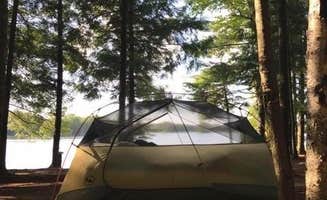
Paddling access points: Three Johns Lake Dispersed Camping provides a single tent site accessible via a short walk from the parking area. According to a camper, "Tents only. Short walk to campsite only one on lake. 5 dollar parking national Forest."
Wildlife viewing: The Chequamegon-Nicolet National Forest Backcountry Site features exceptional fishing opportunities and hiking access. A visitor noted, "This is a huge campsite on a dead end road. The parking area is huge so one could fit a trailer or pop up there. There is a sandy beach on a small lake full of fish. The Sam Cambell trail is right next door, it's a nice walk to another tiny lake."
Waterfall exploration: Paint River Forks Campground offers free sites adjacent to the river. A camper commented, "5 or so campsites. Clean out house right on river. Just a mile or so down the dirt road."
What campers like
Lake access: Stevens Lake Campground provides classic Wisconsin lakefront tent camping with basic amenities. One visitor shared, "We rolled in at dark and were enchanted by trees, falling leaves and mystic lake. There aren't many spots, but they all quintessential WI. Free water is available via a hand pump."
Canoe camping options: Sylvania Wilderness Backcountry Camping offers water-based camping without difficult portages. A camper explained, "Loved my first experience at canoe camping. We did it the easy way, loaded our canoe, crossed the lake to our campsite and set up camp. No portaging with our gear."
Dark night skies: Boulder Junction campground provides electric hookups while maintaining a natural setting. A camper reported, "We had such a wonderful week. We enjoyed being with family and good food. It was nice taking a breath and enjoying god's beauty. We were lucky enough to see a white deer."
What you should know
Insect conditions: Biting insects remain prevalent throughout summer months, particularly near water sources. A visitor to Paint River Forks noted, "I love it here! However, as the camper above mentioned, probably not a safe place for anyone that is alone. It is free and therefore attracts vagrants. Cell service is 1/10. But it is beautiful and clean."
Campsite spacing concerns: Many backcountry sites appear secluded on maps but can be surprisingly close to neighboring campsites. A Sylvania Wilderness camper stated, "Problem was we ended up being 20 yards away from the next site... which was clearly visible through the clear old growth forest. Most sites in Sylvania are 2 sites very near to each other."
Seasonal road conditions: Forest service roads range from well-maintained to primitive, with conditions deteriorating after rainfall. Some campgrounds have restricted vehicle access despite appearing open on maps.
Tips for camping with families
Site selection strategies: When camping with children, prioritize sites with direct water access and natural boundaries. At Boulder Junction, one family noted their camping experience included "exploring in the woods and getting lost! Good thing we had Lucas to guide us towards the river."
Day trip options: Plan excursions to nearby attractions when insect pressure becomes intense at camp. A visitor mentioned, "We had an adventure at the porcupine mountains. The weather was a bit cold on Lake Superior and our picnic was ruined. However we had a great laugh making sandwiches in the car in a middle of a rain storm."
Bug protection essentials: Pack multiple insect repellent options and protective clothing, particularly for evening hours. Screen shelters provide essential refuge at most sites during peak mosquito season.








 Guide
Guide


