Tent camping opportunities near Cascade, Wisconsin concentrate around the Kettle Moraine State Forest region, which features glacial landforms and mixed hardwood forests. The area sits between 900-1,100 feet elevation, with camping season typically running April through November. Winter temperatures average 15-30°F while summer temperatures range 65-85°F, making late spring through early fall the primary camping season.
What to do
Biking on trails: Wild Goose City Park provides access to the Wild Goose State Trail, making it an excellent base for cycling adventures. "Wild Goose bike trail leads to this park in Juneau. It's a good place to stop and have a break. There's a playground and public bathroom, drinking fountain. Plenty of space to spread out for a picnic when you're biking through," notes Kim L.
Water activities: Waubedonia County Park offers river access in Fredonia for kayaking, canoeing, and fishing opportunities. "A nice little campgeound near the river in Fredonia, WI. The campsites are inexpensive and comfortable, though there aren't as many amenities that a larger campground would have," shares Kevin S.
Hiking options: Explore the Kettle Moraine trail system directly accessible from multiple tent camping areas. The Ice Age Trail runs through portions of the forest, providing day hiking opportunities ranging from 2-10 miles with moderate elevation changes between glacial features.
What campers like
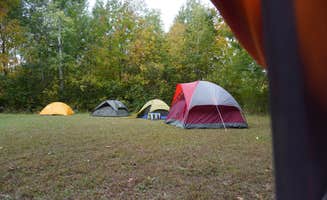
Group camping spaces: Northern Unit Greenbush Group Camp provides ample space for larger gatherings. "We booked this for a coronavirus-safe camping trip, and it did not disappoint. We had six tents, but the site could easily have accommodated more," reports Hilary S., highlighting the spaciousness of the campsites.
Budget-friendly options: The tent camping areas near Cascade offer economical outdoor accommodation with most sites under $25/night. Multiple camping areas provide basic amenities at affordable rates compared to private campgrounds.
Natural surroundings: Purplehaze Acres features walk-in tent sites surrounded by natural vegetation. The 9 tent sites offer more seclusion than some of the larger camping areas in the region, with each site surrounded by trees and undergrowth providing privacy screens.
What you should know
Water availability: Water access varies significantly between camping areas. "Water is usually available, but more limited during the pandemic (spigot turned off by our campsite, but available near the parking lot at the entrance - a longer walk)," notes one camper at Northern Unit Greenbush Group Camp. Many campsites require bringing containers to transport water from central spigots.
Reservation requirements: Most tent camping areas require advance reservations, especially for weekend stays between May and September. Booking 1-3 months ahead is recommended for prime summer dates.
Noise considerations: Sound carries between sites at some campgrounds. "The nine sites are visually separated, but not far enough away from each other to block louder noise - we could hear loud music from the site 4 late into the night," reports a camper at Greenbush Group Camp.
Tips for camping with families
Playground access: Little Turtle Lake camping area includes a small playground near the camping loop. The 5 campsites provide quick access to basic play equipment suitable for children under 10.
Toilet facilities: Most camping areas feature pit toilets rather than flush toilets. Restrooms are typically located at central points, requiring walks of 100-300 feet from individual campsites.
Storage considerations: Food storage requires careful planning as most tent camping areas do not provide secure storage options. Bears are not a significant concern, but raccoons and other small mammals necessitate proper food containment.
Tips from RVers
Limited options: Greenbush Group Campground and surrounding camping areas primarily accommodate tent camping with few RV-friendly sites. "Large sites great for groups... Grassy sites surrounded by trees," notes Amber R., indicating the tent-focused nature of the camping areas.
Alternative campgrounds: RV campers should consider campgrounds farther from Cascade that offer hookups, as most tent-focused areas near Cascade lack electric, water, and sewer connections for RVs.
Day use options: RV travelers can use day-use areas within Kettle Moraine State Forest while staying at more RV-appropriate campgrounds in surrounding communities.




 Legend


