Primitive tent camping near Crystal Lake, Illinois requires some travel, as most established sites are 40-60 minutes away. The region offers several secluded options with varying terrain from forested river corridors to open meadow environments. Northern Illinois campgrounds typically operate from April through October, with some sites closing during winter months due to frozen ground conditions and limited maintenance.
What to do
River activities: The Kishwaukee River provides recreational opportunities for campers at MacQueen Forest Preserve. Marcus D. notes, "There isn't much in terms of hiking trails. Just the main path and a few paths connecting sites and sort of a path along the river." Some campers create their own tubing adventures on the slow-moving water.
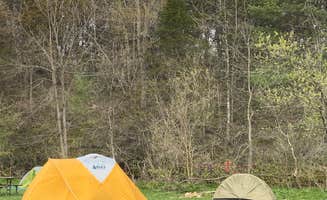
Stargazing: The open meadow sites at MacQueen Forest Preserve offer excellent night sky viewing away from city light pollution. Nick C. mentions, "Only sites 1,2,8 are forested the rest are around a large open field," making the open sites ideal for astronomy enthusiasts.
Backpack camping: For more adventurous campers, KMSF Shelter 1 Backpack Site requires a hike through varied terrain. Erin Z. describes the experience: "Great backpack camp site. Decent walk and terrain to get to the site. There is an open shelter to put your tent if you prefer to outside."
What campers like
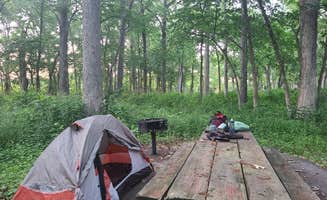
Privacy between sites: The significant spacing between campsites creates a true wilderness feeling. Amy G. explains, "There are eight primitive campsites here, and they're spread out at least 50 yards apart. That's right, at least 50 yards. You can't see the campsite next to you, and they all have a picnic table and a fire ring."
Affordability: Budget-conscious campers appreciate the low fees at local preserves. One camper shared, "The very best part? You're in the middle of the country, with gorgeous sunsets, and the primitive camping is only $4."
Well-maintained facilities: Despite being primitive, the facilities receive regular attention. Darshon J. reports, "Well maintained bathrooms, great secluded sites. Super easy no registration its first come first serve. I will be goin again with my family." This consistent upkeep enhances the camping experience at Kishwaukee Valley Farms.
What you should know
Water availability: Potable water is scarce at primitive sites. Amy G. warns about MacQueen Forest Preserve: "There is water, but it is not, I repeat is not, potable." Campers must bring all drinking water for their stay.
Noise considerations: Train traffic affects some camping areas. A reviewer cautions, "If you cannot sleep to the sound of trains at night, this is not the campground for you. I don't mind them at all, and rather enjoy the sound, but there were probably three of them that went by in the middle of the night rather close to the campground."
Equipment transport: Walk-in sites require proper gear planning. Nick C. points out at Hammel Woods, "Spots are pretty spread out," and other campers mention using wagons or carts to transport equipment from parking areas to campsites.
Tips for camping with families
Best sites for children: Look for sites near open areas for play. Sites surrounding the meadow at MacQueen Forest Preserve provide space for activities while maintaining privacy from other campers.
Bathroom facilities: Vault toilets with lights are available at some preserves, but conditions vary. A camper notes, "There's vault toilets and the one I used wasn't terrible, but it is primitive. There's even a light switch inside with a functioning light!"
Wildlife viewing opportunities: The forest preserves host diverse bird and animal species. Marcus D. shares that despite limited hiking trails, "The forested areas aren't very big. You can see outside the camp grounds from almost anywhere of the campsites inside," which can make wildlife spotting easier for children.
Tips from RVers
Alternative accommodations: Silver Springs State Fish and Wildlife Area near Yorkville offers walk-in tent sites without RV accommodations. Most primitive camping areas around Crystal Lake strictly prohibit RVs, focusing instead on tent camping.
Seasonal considerations: Winter camping is possible but requires preparation. Nick C. describes, "Great time minus the winter squall that rolled threw our first night," suggesting campers should monitor weather forecasts carefully when planning off-season visits.
Supply runs: Most primitive campgrounds are 15-30 minutes from supply stores. Campers should arrive with all necessities, as the self-service check-in means no on-site store for forgotten items.





 Ranger


