Tent camping near Amherst, Wisconsin offers diverse outdoor experiences in the glacially shaped landscape of central Wisconsin's Portage County. The area features rolling hills with elevations ranging from 850 to 1,100 feet above sea level. Summer temperatures average 75-85°F during day with cooler 50-60°F nights, while spring and fall campers should prepare for temperature fluctuations of 30+ degrees within 24 hours.
What to do
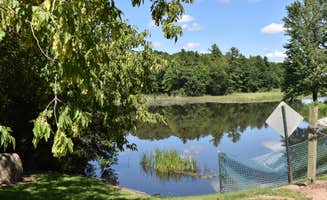
Fishing access: Camp Wilderness provides convenient access to a small lake where younger anglers can practice their skills. According to camper David K., "There's primarily tent sites with trails, a lake, an obstacle course and more right nearby."
Nature photography opportunities: The diverse ecosystems surrounding tent camping areas near Amherst provide habitats for white-tailed deer, wild turkeys, and numerous songbird species. Oakwood Campsites in Wild Rose serves as a strategic base for photographers during spring and fall migrations.
Seasonal foraging: Late summer and early fall campers can find wild blackberries, raspberries and edible mushrooms (with proper identification) along trails near Plover River Retreat. Local regulations permit limited foraging for personal consumption in many areas.
What campers like
Obstacle course challenges: Camp Wilderness features physical challenges suitable for various age groups. David K. notes the camp "is primarily used for a program similar to Boy Scouts called Royal Rangers" which maintains these facilities.
Night sky viewing: The relative distance from urban centers makes Amherst-area tent camping ideal for stargazing during clear nights. Several tent sites at Plover River Retreat are situated in small clearings that provide excellent celestial viewing opportunities without light pollution.
Walk-in privacy: Tent campers seeking seclusion appreciate the walk-in sites at Plover River Retreat. These sites require carrying gear a short distance from parking areas but reward campers with greater privacy and reduced noise compared to drive-up alternatives.
What you should know
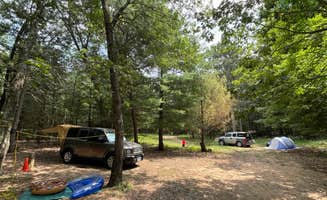
Limited facilities: Most tent camping options near Amherst provide basic amenities only. Camp Wilderness offers drinking water, toilets and trash disposal, but lacks showers or electrical hookups. Campers should plan accordingly with sufficient water containers and solar charging options if needed.
Weather preparedness: Central Wisconsin experiences rapid weather changes, particularly in spring and fall. Temperatures can fluctuate dramatically within 24 hours. Oakwood Campsites remains open year-round but winter camping requires specialized cold-weather gear and experience.
Firewood restrictions: While fires are permitted at Plover River Retreat, firewood isn't free and outside firewood may be restricted due to invasive species concerns. Campers should budget for purchasing approved wood on-site or verify current regulations before arrival.
Tips for camping with families
Activity planning: Camp Wilderness specifically caters to youth outdoor education. David K. recommends it as "a good place to initiate your kids with the outdoors and teach them fun skills," making it ideal for families new to tent camping near Amherst.
Pack extra clothing layers: Central Wisconsin's variable conditions mean children need multiple clothing options regardless of season. Morning temperatures often run 20-30 degrees cooler than afternoon highs, requiring adaptable clothing systems.
Insect protection: Mosquitoes and ticks are common in the wooded areas surrounding Amherst from May through September. Families should bring appropriate repellents, conduct regular tick checks, and consider permethrin-treated clothing for extended outdoor activities.
Tips from RVers
Tent-only designation: Most camping areas near Amherst, including Camp Wilderness, Plover River Retreat, and Oakwood Campsites, cater exclusively to tent campers. RV travelers should research nearby alternatives in Stevens Point or Waupaca that accommodate larger vehicles.
Consider hybrid camping: RV campers interested in exploring the Amherst area sometimes park at developed campgrounds in neighboring communities while using tent equipment for day trips or overnight excursions to tent-only areas. This provides flexibility while maintaining access to full hookup conveniences.





 Ranger


