

C
Cody L. Scout
Scout
ScoutAshland RV Park
Will stay again
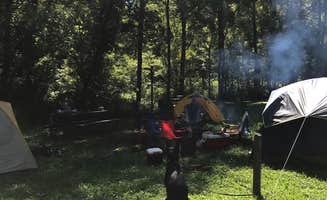
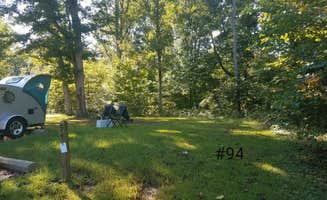
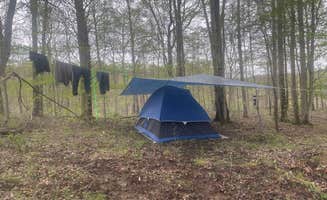
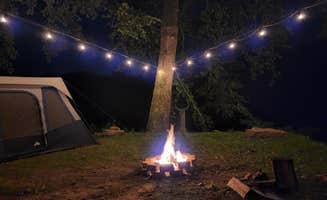
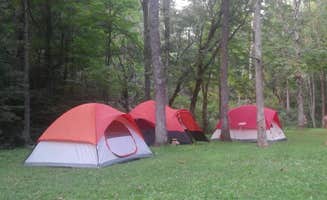
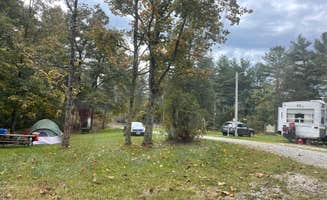
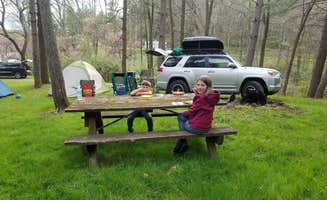
Laid back rv park on the Ohio river plenty of room. 10/10
125 campgrounds · Check availability for any dates.
Vienna, West Virginia is situated near several public and private camping areas offering a range of overnight accommodations. Campgrounds in the area include Mountwood Park Family Campground with tent, RV, and cabin options just 15 minutes from Vienna, and Blennerhassett RV Park along the Ohio River in neighboring Belpre. The region also features dispersed camping opportunities at locations like Kinderhook Horse Trail in Wayne National Forest, approximately 30 minutes east. Several state parks within an hour's drive provide additional developed camping areas with electric hookups, showers, and boat access to local waterways.
Permits and reservations vary widely across the region's camping facilities. "The owner was great. I called when I was on my way, he gave me a space number, and I was able to go straight to it," noted one camper about Blennerhassett RV Park, highlighting the straightforward access at some locations. Many campgrounds in the area operate seasonally, with several closing between November and May. Cell service ranges from strong to nonexistent depending on proximity to main roads and elevation. Most established campgrounds provide water and electric hookups, while primitive sites in Wayne National Forest require self-sufficiency with water filtration or carrying supplies. The terrain throughout the region includes riverside flats and wooded hills, affecting campsite layout and accessibility.
Campers report varied experiences at sites throughout the area. River access represents a significant draw, with multiple camping areas situated along the Ohio River and its tributaries. The Harris RV Park receives praise for its waterfront location and affordability, with a review noting, "Right on the Ohio River with full hookup for $25 a night." Forest camping presents a different experience, with some visitors at dispersed sites like Kinderhook reporting concerns about privacy and after-dark visitors. Established campgrounds typically offer amenities like shower houses, dump stations, and recreational facilities. Many camping areas provide access to hiking trails, fishing opportunities, and boat launches, with several locations connecting to the region's extensive trail systems for hiking, mountain biking, and horseback riding.
"Very close to the nice little downtown Marietta, Ohio but still very rural location. Large sites. Great staff. Absolutely love this place. Slow pace and quiet."
"The highway traffic can be a little loud in the morning if you're on that side of the property, but who wants to sleep when there are trails to hit!"
"On the border with West Virginia. There aren’t really sites on the water but there’s a nice path to the lake from the camp sites and lots of deer."
"Yes, it's a bit rough around the edges. We liked that it wasn't crowded. The attendant said the park was full over Memorial Day weekend."
from $25 - $40 / night
Check Availabilityfrom $30 - $40 / night
Check Availability"Initially, you don't see it...you must drive up and over a roller."
"North Bend State Park is located at the halfway point of the 72-mile North Bend Rail Trail, so it’s a great camping spot for hikers, bikers and horseback riders who want to explore this scenic trail which"
"This roadside campground is near homes and a small town, so not much traffic during the day, but quite a bit during the morning and evening commuting time."
"All four sites are close to the river. I was surprised to find that a week after labor day weekend there was still plenty of laying dead wood in the woods available for camp fire wood. "
from $10 / night
Check Availability"Close to the restroom there’s a picnic table, tentspots and a manual water pump. A lot of insects, humid and dense deciduous forest surrounding the trailhead. The Kinderhook trail was overgrown."
"Very quiet at night, except for a handful of cars that might drive through or spend the night. I spent two weeks here and had zero issues with people being loud or causing a ruckus."
"The Blue Trail goes through here and provides a fun hike. There is a bathroom across the road and access to water at the entrance of the site. Showers are 15 minutes walk or a quick drive away."
"Burr Oak State Park is on the eastern edge of Wayne National Forest, outside Glouster, Oh , off Rt 13. The Lodge is on the opposite side of the lake off Rt 78."
from $25 - $55 / night
Check Availability"There’s also a nearby church whose bells I found lovely. Most of the other campers were long‑term workers who kept to themselves and were consistently respectful."
"He has so much info on where to eat and what to see in the surrounding areas. The guy bends over backwards for his guests."
from $25 / night
Check Availability










 Scout
ScoutLaid back rv park on the Ohio river plenty of room. 10/10


 Guide
GuideNice for one night stop
 Ranger
We thoroughly enjoyed this camp spot right on the river. LOTS of different birds. And it was so quiet!
 Scout
ScoutIve camped here a few times in the kast few years and have really enjoyed it. They just put in a spigot to get water from. There is vault toilets. They cut down some brush to make a few trails that you can hike. This campground is surrounded by other free campgrounds in Jesse Owen's state Park but this is the only one that gets cell service. You are allowed to run generator.
RangerSites are small - especially the ones with power. Bathrooms are dirty and very worn out. Only 1 of 3 of the mens showers were working. Lots of spiders in the bathrooms and the stall doors don't latch effectively. Camp store (and access to ice) was closed for 'remodel'.
ScoutIt rained a lot (not the park's fault) so it was pretty muddy the whole time I was there. I switched from site 7 (next to the bathhouse) to site 8 midway through, and both were fine and relatively quiet. It was busy and the bathhouse was kind of gross, but I guess that comes with the territory.
ScoutVery, very nice and quiet. Very well laid out, very friendly for big rigs. Pull-thru campsites are for up to 66 ft.
 Guide
GuideHad full hookups, but poor water pressure. Campground in city park, even had a splash pad and was quiet
 Ranger
Not our favorite. Very small campground. Good hiking trails. Decent beach. Very hilly. Shower house was kinda gross.
The area surrounding Vienna, West Virginia features a mix of public and private camping options within a 30-mile radius. Most campgrounds in this region sit at elevations between 600-800 feet above sea level. The camping season typically runs from April through October, with several locations closing during winter months due to frequent rainfall and occasional snow in December through February.
Covered bridge exploration: Hune Bridge Campground provides access to a historic covered bridge just steps from your campsite. "Adorable little campground, with a historic covered bridge and lovely creek in the backyard. There are 4 campsites and a vault toilet that is relatively clean and well-stocked," notes one visitor to Hune Bridge Campground.
Paddling opportunities: Multiple waterways near Vienna offer boating options. "I paddled on the North Bend Lake which was extremely peaceful and beautiful, with the colors of fall surrounding me on all sides. I brought my own kayak, but they had boats for rent," reports a camper at River Run Campground.
Disc golf courses: Several parks in the region maintain disc golf courses. "Site: wooded, scenic. Some sites more private than others. Some slightly sloped sites. Amenities: very clean. Attractions: rural area, lake, disc golf, fishing, swimming, hiking," explains a visitor to Forked Run State Park.
Hiking trail networks: The Wayne National Forest offers numerous trails. "The Paw Paw trail was very smooth, dry and wide. The trail leads to the top of the hill," notes a camper who stayed at Kinderhook Horse Trail.
River access: Many campers appreciate waterfront sites. "We stayed at site 13, right on the water. Check-in was easy and the staff was very friendly! Plenty of ice and firewood at the store and a cute little gift shop," comments a visitor to River Run Campground.
Affordability: Several campgrounds offer reasonable rates. "This campsite costed about 20 dollars per night. There is electricity and restrooms. There are showers like usual and there is also boat rentals," notes a Forked Run camper.
Rails-to-trails systems: The region features converted rail corridors. "This humble campground is located on the 'Haunted' North Bend Rail to Trail. It was easy check in with a friendly staff," explains a visitor at River Run Campground — North Bend State Park.
Water recreation: Lakes and rivers provide swimming and fishing. "The lake was nice but I am not sure if they recently had some weather that caused it to be pretty brown/muddy, or if that's normal," notes a Forked Run State Park visitor.
Varied bathroom facilities: Campground restrooms range from modern to primitive. "Showers were clean but only central and shared between all loops," reports one camper at Forked Run State Park Campground.
Limited water sources: Some campgrounds lack potable water. "No drinking water is available, but there are creeks all around, so come prepared with a water filter!" advises a camper at Hune Bridge Campground.
Site conditions vary: Many campgrounds feature uneven terrain. "Sites are very bad for tent camping and not the best for RV's. Back ins are sort and most sites have no level ground even for the picnic table or fire ring," warns a Forked Run visitor.
Local traffic patterns: Some primitive sites experience unexpected visitors. "People coming and going every 15 minutes ish. Some folks pull in stare at you for a few seconds then leave," notes a camper at Kinderhook Horse Trail.
Swimming options: Several parks maintain designated swimming areas. "The park itself is clean, but the facilities are dated. Shower house was OK, toilets are primitive," shares a visitor from Forked Run about their experience.
Playground access: Family-friendly campgrounds often include play equipment. "Great place to stay! The site was mostly flat where we parked the camper and very close to the bathhouse. Plenty to do around the park - biking the rail trails, hiking, fishing, basketball, and a nice playground," notes a camper at River Run Campground.
Cabin alternatives: For those who prefer not to tent camp, cabins offer comfort. "We stayed in the camper cabin, which is just a very basic shed with a bed, bunk beds, air conditioning and heat. We stayed there because it was July and I wanted A/C and electricity," explains a visitor to Forked Run.
Site leveling challenges: Many campgrounds feature sloping sites. "Very close to the nice little downtown Marietta, Ohio but still very rural location. Large sites. Great staff. Absolutely love this place. Slow pace and quiet," notes a visitor to Ashland RV Park.
Hookup availability: Electric and water access varies by location. "While an RV park, you can also tent camp with the amenities, making it really nice. Electrical hookups and water at your site, plus clean bathrooms and a shower house on the property," reports an Ashland RV Park camper.
Back-in requirements: Most sites require backing in rather than pull-through access. "There was not many people there, sites are small back in, we stayed in loop two site 69 with great shade and electric," explains a Forked Run State Park visitor.
Frequently Asked Questions
What camping is available near Vienna, WV?
According to TheDyrt.com, Vienna, WV offers a wide range of camping options, with 125 campgrounds and RV parks near Vienna, WV and 8 free dispersed camping spots.
Which is the most popular campground near Vienna, WV?
According to TheDyrt.com, the most popular campground near Vienna, WV is Ashland RV Park with a 4.8-star rating from 4 reviews.
Where can I find free dispersed camping near Vienna, WV?
According to TheDyrt.com, there are 8 free dispersed camping spots near Vienna, WV.
Keep Exploring