Tent campsites near Concrete, Washington sit between 271 and 5,000 feet in elevation, offering varying climates depending on altitude and season. The North Cascades region receives approximately 45-50 inches of annual precipitation, with summer typically bringing the driest conditions. Fire restrictions commonly take effect from July through September when regional rainfall decreases substantially.
What to do
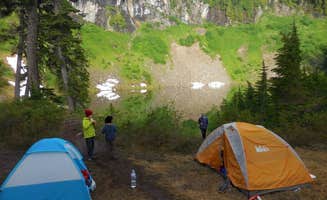
Hike to alpine lakes: The Anderson and Watson Lakes Hike-In requires navigating a "pot-hole strewn road" before reaching the trailhead. The path features "a lot more up and down than I was anticipating," according to one camper, with the best sites located at Upper Watson Lake where swimming is possible despite cold temperatures.
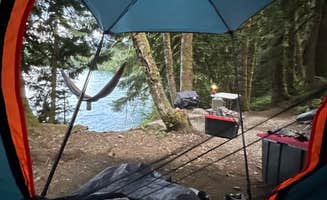
Cool off in Baker Lake: From Baker Lake Road Dispersed Campsite, enjoy waterfront camping with swimming access. "It's free! Beautiful view. Very serene," notes one camper. The area gets busy in summer, particularly "Late July, there's a lot of partying on the lake. It's not so bad but you'll definitely hear people having fun."
Forage for berries: Many trails feature seasonal wild berries. The path to Watson Lakes offers "delicious berries along the trail leading up to the lakes," while Maple Grove trails pass through forest with huckleberries in late summer. The peak berry season typically runs from late July through September.
What campers like
Solitude on weekdays: For quiet camping experiences, time your visit strategically. At Anderson and Watson Lakes, one camper reported, "We stayed along the second Watson lake during the middle of the week and saw few people and even fewer campers." This pattern holds true across most campgrounds in the region.
River access: The Cascade Wagon Road Campground provides sites "right on the river. This place is perfect for the last-minute traveler who wants an inexpensive fcfs site close to the town." Each site includes "a picnic table and a fire ring," though fire restrictions may apply seasonally.
Mountain views: Many campsites offer views of surrounding peaks. At Anderson Point Campsite, campers enjoy "stunning views of Koma Kulshan (Mt. Baker). Koma Kulshan is an active volcano covered in a shimmering layer of glaciers." September often provides clearer skies with fewer clouds obscuring mountain views.
What you should know
Limited facilities at dispersed sites: Baker Lake Road Dispersed Campsite has "No facilities!" according to reviewers. Bring all necessary supplies, including water treatment methods, waste disposal bags, and food storage containers when using these sites.
Drive times and road conditions: Access to many sites requires significant driving on unpaved roads. The Watson Lakes trailhead demands "a slow drive up the pot-hole filled gravel road," while other forest service roads may require high-clearance vehicles during early season conditions.
Bridge closures affect access: Some areas have infrastructure issues. At Blue Lake BackCountry Campsites, "The bridge over the nooksack River on Forest service road 12 has been out for the last few years. You can park there and walk across it or ride a bicycle or an e-bike or maybe a small ATV but they are not planning to repair it at all. Therefore, to get to Blue lake you have three extra miles of road to walk before the trailhead."
Permit requirements: Many sites require permits for parking or camping. Anderson Point Campsite requires a Northwest Forest Pass, while most dispersed camping areas on forest service land require a Discovery Pass (approximately $10 daily or $30 annually).










 Guide
Guide


