Dispersed camping near Hood, Virginia primarily centers around the George Washington National Forest and surrounding public lands. The terrain features elevation changes of 1,000-2,000 feet across many camping areas, creating distinct microclimates. Winter nights typically drop below freezing, while summer daytime temperatures reach the upper 80s with frequent afternoon thunderstorms.
What to do
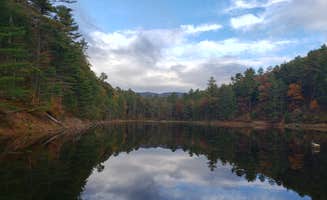
Fishing opportunities: At Switzer Lake Dispersed Camping, fishing is popular but follows specific regulations. "The fishing is decent, and we have caught some trout there in the past. There is a boat ramp at the lake, but only electric motors and paddle boats are allowed," notes camper Emil D.
Hiking trails: The area contains multiple trail networks with varying difficulty levels. At Veach Gap - GWNF - Backpacking Site, one camper explains: "You will want to drive in and park at the Veach Gap Trailhead which is listed on Google Maps, then follow the trail and make the left when it comes to the intersection. It is about 4 miles up, so not too bad, but there is no water after the first mile."
Off-road exploration: The forest roads provide access to remote areas for vehicle-based exploration. At Flagpole Knob, campers should prepare for challenging terrain: "The trail leading to and from camp can be a bit tricky for some," warns David B.
What campers like
Seasonal changes: Fall camping offers unique experiences with colorful foliage. A visitor to Veach Gap noted: "Went up in November with beautiful weather, fall leaves changing and great company. Couldn't have had a better experience."
Wildlife viewing: Many campsites offer opportunities to observe local wildlife safely. Shenandoah National Park Dispersed Sites have diverse animal populations, as one camper shared: "2 deers came to visit us at night. Killed a cottonmouth buried it since I didn't know how to properly cook and eat it. Saw Momma and two baby black bears."
Solitude options: For those seeking isolation, weekday camping provides greater privacy at most sites. Sydney D. noted about Flagpole Knob: "If you really wanna be alone this is the spot. Camped up there with just my dog and I doubt there was a single person for miles around."
What you should know
Access limitations: Many sites require vehicles with specific capabilities. At Switzer Lake, "the road is a mix of gravel but also dirt so it can become muddy during rain. If you follow the road, there is a river crossing that will take you to additional camp spots. The road beyond the river can get more tricky for low clearance vehicles."
Campsite selection system: Some sites use specific methods for claiming spots. At Little Fort Campground, "You select a campsite by flipping a washer on a hook on the board from green to red. Flip it back when you leave."
Weather considerations: Mountain elevation creates variable conditions that require preparation. One camper at Flagpole Knob advised: "If you know it's going to be windy don't camp at the peak. There's plenty of camp spots close by with some cover from trees."
Food storage practices: Wildlife concerns necessitate proper food management. Emil D. warns Switzer Lake campers: "There are bears here, so lock up your food in the car. We have encountered a bear at or around the campsite 3 times."
Tips for camping with families
Beginner-friendly options: For first-time family dispersed camping, some sites offer easier access. A camper at Braley Pond Dispersed Camping & Day Use Area shared: "I brought my boys out to camp this past weekend, and this place was perfect for our first dispersed campsite experience. The day use area is close enough to use the bathroom (just an open pit toilet, nothing fancy)."
Water activities: Creek access provides cooling options during summer months. "Though you can't swim in the lake, we did wade the stream, which was cold and clear and beautiful," notes a Braley Pond visitor.
Wildlife education: Animal sightings create learning opportunities, though proper precautions remain essential. At Switzer Lake, multiple campers report bear activity, providing chances to discuss wildlife safety with children.
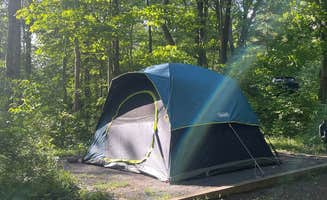
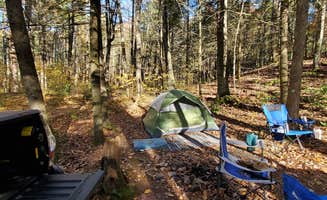
Site amenities: Some locations include basic facilities that help with family logistics. Little Fort Campground provides "Site had a fire pit, table, parking spot, and tent platform. We used one of the sign in slips but many of the other campers did not. Bathrooms and bear proof trash was provided."
Tips from RVers
Access roads: Most dispersed sites have limitations for larger vehicles. At South Fork Shenandoah River, one RVer noted: "The site at the end of the road is beautiful. We stayed right at the end of the road, since we have a 30 foot RV, but there are sites you can walk to all the way down the river."
Length restrictions: Vehicle size determines site availability. David B. emphasized at Flagpole Knob that "This site requires a 4x4 vehicle with clearance." Most sites accommodate smaller RVs but few can handle larger models.
Weather impacts: Seasonal conditions affect site accessibility. After heavy rains, one South Fork Shenandoah River camper found "the sites were underwater or filled with river mud, making them completely un-campable."










 Guide
Guide


