Equestrian camping near Flower Mound, Texas offers varied terrain across both open prairie and lakeside settings. The region experiences hot summers with temperatures regularly exceeding 95°F and mild winters where overnight freezing is possible. Most campgrounds maintain consistent availability from March through November, though summer weekends require booking 2-3 months in advance.
What to do
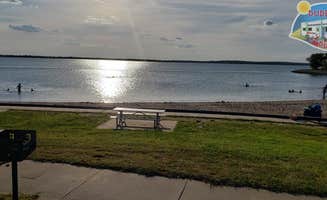
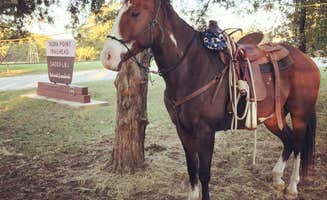
Trail riding with water views: Ray Roberts Lake State Park's Isle du Bois Campsites provides access to lakeside riding opportunities. "Sites on the perimeter all have lake access where you can pull a boat up. We have car camped on a few occasions here and each time we saw plenty of deer around camp," notes Matt S.
Fishing while camping: Multiple stocked ponds are accessible at the LBJ Lyndon B Johnson National Grasslands for anglers. "There's cattle roaming around and a lot of stocked ponds to fish in and some hiking through the different areas. Very peaceful and still close to the city if you forget anything," according to Kristi B.
Wildlife photography: The grassland environments support diverse wildlife viewing opportunities. "You'll see deer every trip, it's just very busy. We used to come out and there would be just a few families, now it's very very busy. Still our favorite get away spot north of DFW," says Kerry C.
What campers like
Private, spacious sites: Cedar Hill State Park Campground offers good separation between camping areas. "The park is designed with small loops for 15-20 camp sites in each loop. Very little traffic right by the individual spots. Easy in and out of park," explains Michael C.
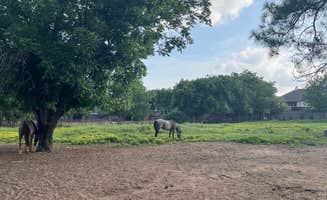
Diverse camping environments: Options range from heavily wooded to open prairie settings across the region. "The sites vary from being 20 feet from the parking lot to half a mile out or so, but most people flock to the more formal campsites and miss out thinking they'll have to hike in at Hawthorne," notes Gretchen N.
Minimal light pollution: Many sites offer excellent stargazing conditions despite proximity to urban areas. "Wildlife were very quiet and the stars were bright on a clear night. Sites are far enough away that you have to shout at your neighbors," explains Christopher L.
What you should know
Seasonal crowding patterns: Summer brings significant visitor numbers to popular areas. "I've been coming to this state park for over 20 years. It's very well kept, you see deer every trip, it's just very very busy. It's not a well kept secret anymore," warns Kerry C.
Insect considerations: Some campgrounds report significant pest issues. "Fire ants and chiggers all over! But the lake was nice," cautions Jill C. at Cedar Hill State Park Campground.
Proximity to urban areas: Most camping areas maintain a natural feel despite being near developed regions. "Hard to believe you're next to a big city. We enjoyed the view of the lake and privacy at our site since we were the only ones there the whole time of our stay during the week," reports MickandKarla W.
Tips for camping with families
Playground access: Loyd Park offers developed recreational facilities for children. "There are several playground areas central to the various campgrounds with easy access for your family. Showers and restrooms are close by the playgrounds as well," explains Matt S.
Shade considerations: Limited tree cover at some sites requires planning for hot weather. "There weren't a lot of trees and none over the RV pads, so keep that in mind as far as the sun beating down on the camper," advises Christina H.
Space for activities: Some campgrounds provide open areas specifically for play. "I really enjoyed how well kept the grounds were and did love the open space between sites and the water, giving lots of space for the kids to play," shares Joshua M. from Pilot Knoll Park Campground.
Tips from RVers
Site selection strategy: At the Johnson Branch Campsites, larger rigs have specific optimal locations. "Concrete back in sites with full hookup's! Also fire rings, covered patio table's. Great place for fishing kayaking and hiking!" recommends Tammie L.
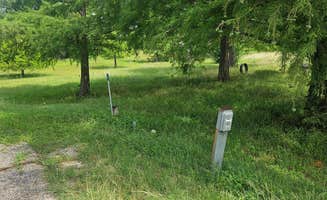
Utility connections: Power availability varies between campgrounds and specific sites. "Some sites are 50 amp, while all are for 30 amp. Larger rigs are more accommodated next to the lake. But call ahead to see which sites have 50 amp, you'll need it in summer time," advises John B.
All-season comfort: Area campgrounds remain accessible year-round with varying advantages. "We stayed at the Wild Plum (primitive) camping area with my son in early spring. The trail path to the campsites is further than indicated or implied on the website, which isn't a problem if you're packed light," notes Christopher L.








 Legend


