Dispersed camping near Wallowa Whitman National Forest offers access to over 2.3 million acres of diverse terrain ranging from 1,600 to 9,800 feet in elevation. Temperatures vary dramatically between seasons, with summer highs reaching 90°F while winter nights often drop below freezing. The area contains numerous primitive camping locations with varying levels of accessibility depending on seasonal road conditions.
What to do
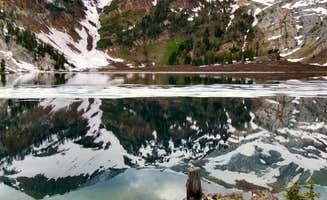
Hiking to alpine lakes: Ice Lake offers a challenging but rewarding backcountry destination. "The water is no-joke cold. Fantastic nine-mile hike into the forest. Stayed two nights. Elevation is ~8,000 feet," notes Michael. This strenuous trail gains significant elevation and requires proper preparation.
Scenic tram rides: Near Park At The River, visitors can access mountaintop views without hiking. "The tram ride to the top of mt Howard is across the street," mentions Michael B. The gondola provides access to viewpoints approximately 3,700 feet above the valley floor.
Miniature golf and go-carts: Family entertainment options exist near Wallowa Lake. "There are all kinds of amenities within walking distance: stores, restaurants, mini golf, etc.," notes Luke L. These activities provide alternatives during poor weather or for families seeking variety beyond natural attractions.
What campers like
Creek-side campsites: Hurricane Creek Campground features sites adjacent to moving water. "Small campground by a beautiful but loud creek. Several sites along the creek, some accessible by car only (no trailer turnaround)," explains Janet K. The rushing water creates natural sound barriers between sites.
Off-season solitude: Camping during shoulder seasons provides different experiences. "We arrived in late November, when it was cold, snowy, and practically empty. But the campground and all of its facilities were open," reports Matthew K. Winter camping requires additional preparation but offers solitude.
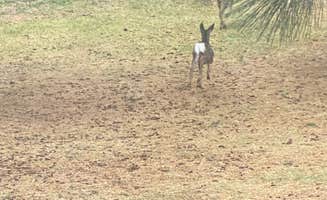
Wildlife viewing: Many campgrounds offer opportunities to observe local fauna. "Saw two bucks together early in the morning grazing," shares Kaitlyn P. Wildlife sightings occur most frequently during early morning or evening hours when animals are more active.
What you should know
Bear awareness: This region requires proper food storage and waste management. "This is bear country so if that's not your thing, I wouldn't camp there," advises Finna G. at Wallowa Lake State Park Campground.
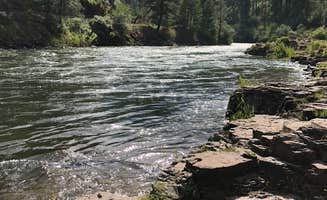
Rapid water hazards: Creeks and rivers move quickly and remain cold year-round. "If they were to get in the creek that would be all she wrote. That creek is appropriately named as it really moves," warns Andrew L. regarding pets near Hurricane Creek.
Road conditions: Access roads to remote sites may present challenges. "The access road was narrow and in pretty rough shape, lots of horse trailers hauling livestock up and down the road," reports Maria S. about Irondyke Forest Camp. Vehicles with low clearance may struggle on unmaintained forest roads.
Tips for camping with families
Site selection strategy: Choose sites based on specific needs. "Sites 12 and 13 at the end of the road have a lot of trees and good tent areas. Nice large picnic tables and fire pits," recommends Deb H. about Hurricane Creek Campground.
Regional attractions: The area offers educational opportunities beyond camping. "There are go carts and mini golf nearby for families, and the gondola provides gorgeous views. You can hike, or ride up the mountains as well," explains Joan H.
Day trip options: Plan excursions to nearby communities. "Joseph is a great western and artistic community just at the other end of the lake," notes another camper, describing the town approximately 6 miles from Wallowa Lake.
Tips from RVers
Hookup availability: Grande Hot Springs RV Resort provides full-service options. "All sites are pull through and can accommodate large RVs. Very nice RV park, very clean and well maintained. Roads and all sites are gravel," shares Richard H.
Seasonal considerations: RVers should verify utility availability during shoulder seasons. "Unfortunately they had water hookups shut off for winter (after we made our reservation, but before we arrived). So we had to venture back out to the designated water fill campsite our first morning," reports Amancay B.
Septic system limitations: Some campgrounds have restrictions on waste disposal. "They ask that you don't offload a full black/grey tank at your site, as the septic system can't handle it," notes another RVer. Campers should plan to arrive with empty holding tanks when possible.




 Legend


