Dispersed camping opportunities around Tolovana Park extend from the immediate coastal area into the western slopes of the Tillamook State Forest. Elevations range from sea level to over 1,500 feet in the forest's higher ridges, creating distinct microclimates that affect camping conditions. Summer temperatures typically average 60-75°F during the day, dropping to 45-55°F at night, with coastal fog common in morning hours.
What to do
Fishing in local creeks: Several rustic camping areas near Tolovana Park provide access to fishing opportunities. At South Lake, the small lake is stocked with trout that are "biting like crazy" according to campers. "We caught trout every day we were there. Most are small but was fun nonetheless," reports one visitor who stayed for four nights.
Kayaking on calm waters: South Lake offers a peaceful paddling experience for those seeking flat water near Tolovana Park. "The small lake has decent fishing and great for kayaking," notes one regular visitor. Another camper mentioned finding "an old boat without a motor tied up for anyone to use" with a partially broken oar that still managed to get them across the water.
Hiking forest trails: Trask River Campsites provides a base for exploring nearby forest paths. "River access and a fire pit" are highlights mentioned by one camper. Another visitor noted they "could've spent a few nights here" exploring the area. The sound of the river creates a peaceful atmosphere for both day hiking and overnight camping.
What campers like
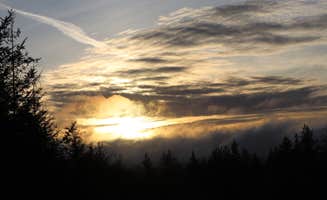
Night sky viewing: Campers seeking primitive camping near Tolovana Park appreciate the stargazing opportunities. At Trask River, one visitor reported: "Clear skies so got to see a beautiful array of stars. This spot was really a 10/10 for me." The higher elevation sites often rise above coastal fog for better viewing conditions.
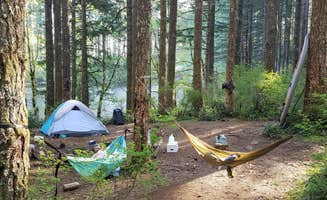
Secluded hammock spots: Scenic Overlook Dispersed Camp offers prime hammock camping options. "We hammock camp and there are plenty of sites with trees positioned perfectly for hanging the hammocks," reports one visitor to the area. The forest setting provides natural shade and privacy between most sites.
Wildlife encounters: The forest camping areas host diverse wildlife. "I saw a porcupine for the first time while wandering one of the side roads!" reported one camper about their experience in the region. Early morning and evening hours typically offer the best wildlife viewing opportunities, with deer sightings being common throughout the area.
What you should know
Weather fluctuations: Mountain forest sites experience significant temperature changes. At Road to Snag Lake, a camper noted: "Very quiet. Spots for van or tent are between radio/cell towers, so doesn't feel like wilderness but there is the potential for spectacular views if the clouds clear." Weather can change rapidly, with morning fog common even in summer.
Discovery Pass requirements: Some areas require permits for overnight stays. "This site is listed as free, but there is a sign at the entrance for needing a discovery pass to use the site. Visit their website for payment options. You have to print the pass or write the transaction number on a paper and on your windshield," explains one visitor to Road to Snag Lake.
Limited cell coverage: Communication options vary significantly by location. At Trask River Campsites, a camper noted there was "No service all the way so be prepared for that." This isolation can be appealing for those seeking to disconnect but requires advance preparation for navigation and emergency needs.
Tips for camping with families
Bring fishing gear for kids: South Lake offers family-friendly fishing opportunities. "The lake is stocked with trout which have been biting like crazy. Most times when you go up there you will see them jumping clean out of the water," reports one regular visitor. The small size of the lake makes it manageable for younger anglers.
Consider noise levels: Some areas experience varied activity levels. In Tillamook State Forest Dispersed Camping, one camper noted: "Loved this spot. Gorgeous, lots of unique sites. Only downside is incredibly loud atv and dirt bike activity." Weekdays typically offer quieter conditions for families with young children.
Pack for variable temperatures: Mountain camping requires preparation for weather changes. "Got a little cold at night and rained in the morning but it was nice," reported a Trask River visitor. Temperature swings of 20-30 degrees between day and night are common, especially at higher elevation sites.
Tips from RVers
Road condition assessment: Access varies significantly between camping areas. For Dispersed Camping Near Cannon Beach, one RVer warned: "Not friendly to large vehicles or RVs, roads are very thin and no place to park." Advanced scouting or detailed research is recommended before attempting access with larger vehicles.
Length restrictions matter: Many forest roads have tight turns and limited pull-offs. "Its got plenty of places to set up for the night. Roads are narrow. Not recommended for large longer vehicles," noted another visitor about the Cannon Beach dispersed areas. Most sites can accommodate vehicles under 25 feet, but larger rigs face significant challenges.
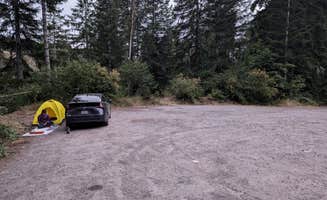
Consider seasonal access: Road conditions change throughout the year. "Site is up a decently maintained but long and steep gravel road, doable in a Prius but she was panting by the end," reported one Road to Snag Lake visitor, highlighting that even passenger vehicles face challenges on forest roads, particularly after rain or during shoulder seasons.












 Traveler


