Tent campsites near Ouachita National Forest span diverse terrain with elevations ranging from 600 to 2,600 feet across the Arkansas-Oklahoma border region. Primitive camping options typically experience temperature variations of 15-20°F between day and night, with higher elevations offering cooler summer nights. Flash flooding remains a consistent concern throughout the area, particularly during spring and fall when rainfall can rapidly transform small creeks into dangerous waterways.
What to do
Fishing near campsites: At Long Creek Campsite on the Eagle Rock Loop, visitors can catch multiple fish species within walking distance of tent sites. One camper reports, "Perhaps 100 feet up river from our campsite I found a nice fishing hole and caught and released 7 trout and 1 sunfish within about 1 hour."
Hiking mountain trails: The area features numerous hiking opportunities with significant elevation changes. Trails near Straight Creek Campsite offer challenging terrain where "trekking poles are recommended to aid in tackling the various inclines and declines of the trail." The campsite is situated "in a valley between two mountains and is located alongside a creek."
Off-road exploration: Some camping areas require off-road driving to access. According to one visitor at Hickory Nut Mountain, "Hidden off road to the top for scenic view. If the gate is open then explore an hour worth moderate off roading. This place also offers great hiking trails and primitive camping."
What campers like
Creek-side camping options: Many tent campers prefer sites near water sources. At Hickory Nut Mountain, one camper discovered, "We didn't care for the established sites at the top of the mountain so we headed back down Pollard Creek Trail- what a surprise gem we found! Creek bed camping! Cool spring to cool off on this warm fall day."
Solitude at primitive sites: The remote nature of many Ouachita tent sites provides privacy. A camper noted about Hickory Nut Mountain, "If you truly want to hide from the world, this is the place for a weekend solitude." However, popularity varies by season and weather.
Natural swimming areas: Several tent camping areas near Albert Pike Recreation Area feature swimming opportunities. While the main campground remains closed for overnight use, nearby camping is possible. One visitor mentioned finding "the ultimate camping spot" with "small path leads straight to some of the most clear blue swimming holes and beautiful rock facings."
What you should know
Day-use only areas: Several former campgrounds are now restricted to day use only. At Rocky Shoals, "Rocky Shoals is a former campground turned day use only area, only open from 6am to 10pm. This location has four sites now for picnicing only." Always verify current regulations before planning overnight stays.
Weather monitoring essential: Flash flooding occurs regularly in low-lying areas. At Big Brushy, "The Big Brushy Creek is right beside the campground and has several walking trails down to the creek. This creek floods quickly and there are signs located through the park indicating it is a flash flood area, so be aware."
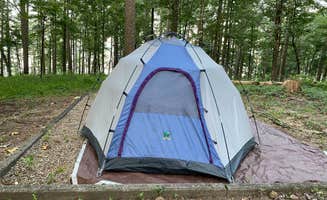
Variable facilities: Tent camping amenities vary widely between locations. Crystal NF Campground offers "8-12 sites here. There's a few small, medium and a couple larger sites but no pull through except one perhaps. Most sites also have tent pads." While some sites have vault toilets, others require backcountry waste disposal methods.
Tips for camping with families
Choose established sites: For families with younger children, established tent sites provide more predictable conditions. Crystal NF Campground features designated tent pads at most sites, making setup easier for families.
Water safety precautions: Given the flood risk in many camping areas, families should establish clear boundaries near water. At Albert Pike Recreation Area, though closed for camping, families can visit during daylight hours with proper supervision.
Insect preparation: The dense forest environment means significant insect activity during warmer months. One experienced camper recommends, "During the spring and summer the insects can be intense. I advise treating clothing and gear with permethrin to prevent ticks and pacaridin for other insects."
Tips from RVers
Limited RV accommodations: Most tent campsites near Ouachita National Forest cannot accommodate larger RVs. Hickory Nut Mountain has sites suitable for smaller recreational vehicles, but one visitor noted, "The site itself was nice enough with a place to pull in, a large picnic table, metal grill, and a fire ring with a grate. The spot we picked was mostly rocky and downhill, so not great for tent camping."
Road access challenges: Many camping areas feature unpaved access roads that may challenge RVs. As one camper at Hickory Nut Mountain observed, "This campground was located down a 3 mile gravel road (my Hyundai hatchback handled it ok)," suggesting smaller vehicles navigate these roads more easily than larger rigs.











 Legend