Camping areas within the Theodore Roosevelt National Park region range from 1,900 to 2,500 feet in elevation, offering dramatic terrain changes from flat grasslands to deeply carved badlands. Summer temperatures regularly exceed 90°F during July and August, while spring and fall provide milder conditions. Nighttime temperature drops can be significant even in summer, with 30-40°F swings common.
What to do
Hike the Maah Daah Hey Trail: Access this renowned trail system from Magpie Campground, which connects to over 100 miles of paths through the badlands. "A little difficult to access if you've never been but worth it. Direct access to 100+ miles of the Maah Daah Hey trail!" notes Jared F., highlighting the extensive hiking opportunities available from this secluded camping area.
Watch wildlife at dawn and dusk: Juniper Campground provides exceptional wildlife viewing opportunities. "We had a great spot in the juniper camp ground... Lots of wildlife came through the camp," reports Tammy P., with many campers observing bison herds moving through the sites during early morning hours.
Explore historical buildings: Visit Grassy Butte Community Park which maintains several historical structures. "City park has a couple of historical buildings and some playground equipment. Sites are along the north side of the park," explains Luckybreak R., making it an educational stop while touring the region.
Access the Little Missouri River: Several campgrounds offer river access for cooling off during hot days. "Plenty of trees provide privacy in this nice National Park campsite that's just a short walk to the banks of the Little Missouri River," shares Lee L. about Cottonwood Campground, offering a natural place to escape summer heat.
What campers like
Proximity to both park units: CCC Campground provides strategic access to less-visited areas. "This campground is only about 1/4 mile from the entrance to the North Unit of Theodore Roosevelt National Park. There are plenty of pit toilets, potable water, and electric," Scott D. explains, making it an ideal base camp for exploring the North Unit.
Secluded spots with shade: Many campers appreciate the rare tree cover at certain sites. "We camped here for two nights, the first night was tricky for us to gage exactly where to camp because it we arrived at 3am. We ended up sleeping just outside of the site (haha so close!), but we found it in the morning!" Laura C. shared about Magpie Campground, noting its well-spaced sites with good privacy.
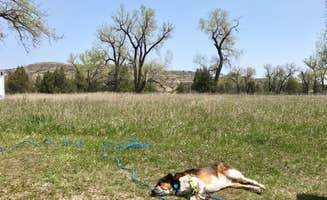
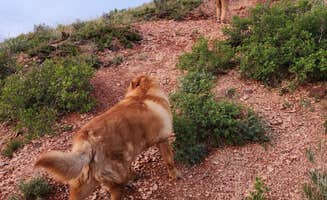
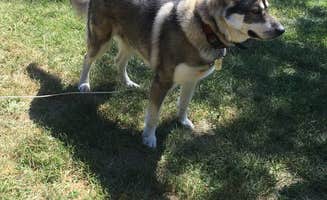
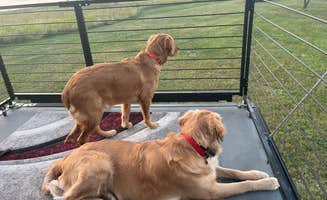
Dog-friendly hiking options: For visitors with pets, Summit Campground offers access to dog-friendly trails. "Easy walk to a great view of the badlands," explains Nevin C., making it one of the more accessible dog friendly campgrounds near Theodore Roosevelt National Park.
Educational ranger programs: Several campgrounds offer evening educational sessions. "Park Rangers provide educational classes from Thursday-Sunday evenings. Stunning views and wildlife experiences," mentions Cable A. about Juniper Campground, giving visitors a chance to learn more about the park's ecology.
What you should know
First-come, first-served challenges: Most campgrounds fill quickly during peak season. "The absolute anxiety of getting here and not knowing whether we'd be able to get a spot or not is off the charts. We got here at about 1pm on a Sunday thinking there shouldn't be a problem, yet there were probably only about 4 spots left," warns Jennifer K. about Juniper Campground.
Water quality issues: Several campgrounds have mineral-rich water that may taste unusual. "The drinking of the water at the fill station is discouraged due to high levels of fluoride," reports Chris A. about Juniper Campground, suggesting visitors bring their own drinking water.
Road conditions: Some campgrounds require travel on unpaved roads. "Traveled about 35 miles on unpaved road in RAV4 AWD. Campsite was empty, so we had different sites to choose from," shares Jim M. about Elkhorn Campground, noting access challenges.
Weather considerations: The area experiences significant temperature fluctuations. "It was hot during the day but the campground had plenty of shade to provide a cool place to hangout," notes Brooke R. about Medora Campground, highlighting the importance of finding shaded sites.
Tips for camping with families
Playground access: Several campgrounds have dedicated play areas. "It has a city pool right on site that is heated, a dog park beautiful grounds with huge trees. Great playground," mentions Amber W. about Medora Campground, offering family-friendly amenities within walking distance.
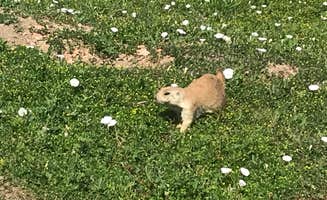
Educational opportunities: Seek out ranger-led activities for children. "Our kids especially enjoyed the ranger presentation on prairie dogs," shares Lee L. about Cottonwood Campground, providing engaging learning opportunities for younger visitors.
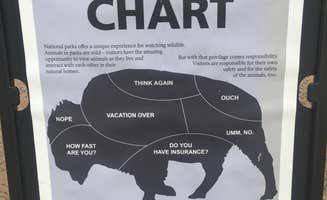
Wildlife safety awareness: Teach children proper wildlife viewing distances. "We woke up to find bison all around us. Truly a beautiful and unique experience I'll never forget," recounts Caitlin B. about Cottonwood Campground, emphasizing the importance of wildlife safety with children.
Cooling options: Look for dog-friendly campgrounds with water access in Theodore Roosevelt National Park during summer. "We spent the day in the town of Medora which has so much to do and so filled with history. Back at the campground, which we located a spot right next to the river, the boys went fishing," shares Tonya T., highlighting family-friendly water activities.
Tips from RVers
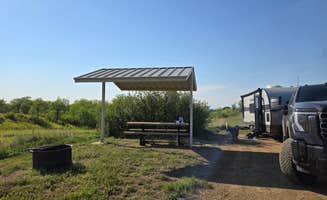
Site sizing considerations: Many campgrounds weren't designed for modern RVs. "When this place was built, they never envisioned large rigs. So if you have one over 30 feet, just be aware you might have to wiggle your way into a site," advises Bob M. about Juniper Campground, warning larger rig owners about potential challenges.
Limited hookup options: Plan for boondocking at most national park sites. "We had it nearly to ourselves. October can be cold! It got down below freezing in the first week of October," Nicole C. cautions about CCC Campground, suggesting visitors prepare for self-sufficient camping.
Dump station access: Few campgrounds offer sanitary dump stations. "There is a dump station, but no potable water for RV tanks. Drinking water is available at the wash house," explains Chris A. about Juniper Campground, noting the limited services for RVs.
Seasonal availability: Many campgrounds close during winter months. "This is a good solid campground that was almost full when we arrived, but we were able to choose a nice spot," shares Deborah C., highlighting the importance of timing your visit.










 Guide
Guide


