Rougemont, North Carolina sits at an elevation of 640 feet in the northern Piedmont region where deciduous forests dominate the landscape. Wildlife management areas and state parks define the camping options surrounding this rural community, with most sites concentrated around lakes and rivers. Seasonal restrictions apply to several camping areas near Rougemont, with temperature ranges from 30°F in winter to 90°F during summer months.
What to do
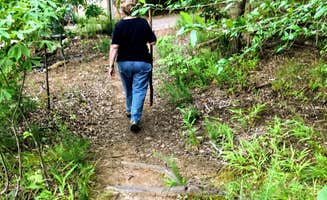
Hiking extensive trail systems: Umstead State Park Campground offers trails for all skill levels within a convenient distance from Rougemont. "There are a wide variety of single track to larger sand/dirt paths. My cross country team will come here for long day," reports Sarah M. about Umstead's trail network. The park provides good terrain for running and biking despite occasional airplane noise from nearby RDU airport.
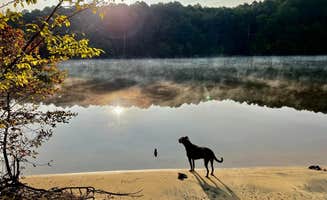
Lake activities during warmer months: Rolling View — Falls Lake State Recreation Area provides multiple water access points for swimming and boating. "Nice, big sites and plenty of good areas for swimming, hiking, and fishing. We always catch a ton of fish!!" says Dana M. The lake offers opportunities for kayaking, canoeing, and fishing from spring through fall.
Wildlife observation: Poplar Point Campground — Jordan Lake State Recreation Area features diverse habitats where campers can observe native species. "We love seeing the wildlife," notes Sharon M., highlighting the natural surroundings. The lakeside setting attracts various bird species and small mammals throughout the year.
What campers like
Secluded primitive sites: Eno River State Park Campground receives praise for its remote feel despite proximity to Durham. "The primitive sites are spaces far enough apart that it truly feels like solitude. Piper Creek is our favorite. Flat and easy 1.2 mile hike in along the river," explains Sarah W. The park maintains multiple hike-in sites with minimal development.
Clean facilities at established campgrounds: B.W. Wells — Falls Lake State Recreation Area maintains well-kept amenities. "Bathroom facilities with hot showers located near every loop. Swimming areas at certain places around the lake," notes J D. Most developed campgrounds in the region provide showers and toilets, though quality varies seasonally.
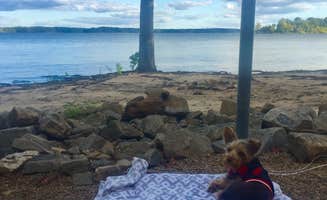
Spacious camping areas: Jordan Lake offers room to spread out according to campers. "Not a bad site in the camp. Beautiful views, dog friendly, large shady sites, some you can beach your boat right at your site," Betty B. explains. Sites typically accommodate multiple tents or an RV with additional space for activities.
What you should know
Seasonal availability restrictions: Many campgrounds around Rougemont operate on limited schedules. "Only open Sept 1 to Feb 28th and March 31 to May 14," warns Erin B. about Butner Lake WMA. Always check current opening dates before planning trips as some areas close during winter or hunting seasons.
Variable cell service: Connectivity differs widely between campgrounds. "If you have to have cell phone service it is very spotty," cautions Barb T. about Mayo Lake Park. Coverage tends to improve at campgrounds closer to Durham and Raleigh but remains unreliable in more remote areas.
Limited amenities at free sites: Free camping options provide minimal infrastructure. "You have a fire ring and a line to hang things from thats about it here, really nice place to camp if youre comfortable not having a toilet," explains Max O. regarding Butner Lake WMA. Pack accordingly for primitive camping experiences.
Tips for camping with families
Look for swimming areas: Several local lakes offer designated swimming spots ideal for children. "The lake is beautiful and great for kids. We will be going back!" says Elizabeth V. about Falls Lake. Campgrounds with swimming beaches typically provide restrooms nearby and sometimes include playground equipment.
Consider hiking distances with children: When selecting primitive sites, factor in young hikers' abilities. "The hike to the grounds was by far the best part. A beautiful walk along Eno river with lots of animals along the way (including deer)," shares Sydney S., though noting the 3.5-mile trek might challenge some families.
Find playgrounds and educational opportunities: Holly Point — Falls Lake State Recreation Area provides recreational facilities beyond camping. "Very Family-friendly. It's best if you can get a site near the beach if you have kids Otherwise you'll end up driving them back-and-forth," advises Sherri P. Several parks offer ranger programs during summer months.
Tips from RVers
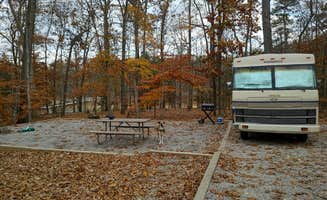
Check site grading before booking: Several campgrounds have challenging terrain for larger vehicles. "The site it's self was up hill which caused our car wheels to spin and made it difficult to park," reports Barb T. about Hyco Lake State Park. Sites at Mayo Lake Park specifically accommodate various RV sizes, with Brandon C. noting "Mostly small sites but some larger sites. All sites have water and electricity."
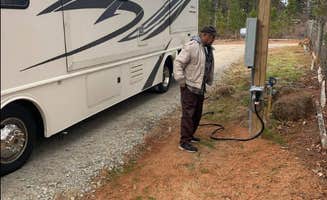
Prepare for utility placement challenges: Hook-up locations vary across campgrounds. "Our water and electricity was on the passenger side of our vehicle so it was a good thing we had an extra hose to reach the water as well as a long enough cord to reach the electric box," advises Barb T. Bringing extension cords and extra-length water hoses helps address this common issue.
Consider dump station locations: Some parks position dump stations inconveniently. "The dump station isn't near the RV loop it is near the tent loop," notes Timothy W. about Mayo Lake Park. Most dog friendly campgrounds near Rougemont provide dump stations, though location and accessibility vary significantly.













 Legend


