Dispersed camping near Valhalla, New York typically receives seasonal shifts in accessibility, with spring thaws sometimes creating muddy conditions on access trails. The area sits within the Hudson Valley region, where forested camping zones range from 500-1,200 feet in elevation. Local regulations generally permit stays up to 14 consecutive days at dispersed sites.
What to do
Hiking exploration: Taconic Hereford Multiple Use Park offers extensive trail networks beyond what's immediately visible. "There is plenty of trails to explore and wildlife to enjoy, especially since these over 900 acres also back up to another huge plot of protected forests," notes Doc B.
Rock climbing access: Hemlock Ridge MUA serves as an economical base for climbers. One visitor explains, "Many climbers stay there for access to the gunks," adding that campers should prepare for basic conditions as "This isn't a fancy campsite and has no amenities." Cory D.
Wildlife photography: Morning hours provide optimal wildlife viewing opportunities throughout these camping areas. Dawn light conditions improve visibility in the dense forest sections, particularly for bird species common to the Hudson Valley deciduous forests.
What campers like
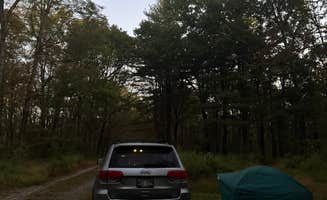
Solitude and quiet: The limited parking capacity at Hemlock Ridge MUA naturally restricts visitor numbers. "The parking lot only holds about 4-5 cars, 6 if you park real tight," which contributes to why "it's quiet & off the beaten path," according to Dawn M.
Proximity to conveniences: Despite feeling remote, Taconic Hereford Multiple Use Park maintains practical access to necessities. Campers appreciate that it's "Less then 10 min drive from town, but hiking in and finding a suitable place to make camp has the feeling of the wild," as described by one regular visitor.
Cell service reliability: Unlike many backcountry camping locations, Taconic Hereford maintains cellular connectivity, which some campers find reassuring. This provides "the feeling of the wild, with the safety of having full cell service," while still offering authentic forest immersion.
What you should know
Site selection requirements: At Hemlock Ridge MUA, campsite placement follows specific distance rules. One camper notes there's "a trail that runs thru 80 acres of forest. Camping is allowed anywhere 150ft from the trail." This creates numerous possible camping spots beyond the immediately visible areas.
Insect preparation: Summer camping requires comprehensive insect protection at these sites. One experienced camper warns that "Bugs are relentless" at Hemlock Ridge, suggesting bug nets, appropriate clothing, and repellents are essential.
Safety protocols: Standard backcountry safety practices apply to these dispersed camping areas. Regular users advise, "Always let someone know where you are headed and when you plan to return," particularly when hiking into more remote sections of these forests.
Tips for camping with families
First-time experience: Hemlock Ridge offers a manageable first dispersed camping experience for families due to its limited size. One camper mentions, "you can set up your own camp anywhere," making it suitable for teaching children about proper site selection and Leave No Trace principles.
Educational opportunities: The diverse forest ecosystems provide natural learning environments. Bringing field guides for local flora and fauna identification can engage children while exploring these protected natural areas.
Navigation practice: The interconnected forest areas provide opportunities for developing wilderness navigation skills with older children. Using paper maps and compasses on shorter trails offers practical skills development while maintaining proximity to access points.
Tips from RVers
Size limitations: These dispersed camping areas cannot accommodate standard RVs or trailers. The parking areas and access points restrict vehicle size, making these locations suitable only for tent camping with appropriate hike-in equipment.
Alternative parking: During peak seasons when small parking areas fill quickly, some RVers report using nearby commercial parking for day visits only, then returning to established campgrounds with appropriate facilities for overnight stays.




 Scout
Scout


