Primitive tent sites near Potsdam provide rustic camping experiences in the Adirondack region. These sites typically lack amenities such as running water, electricity, and modern restrooms. Most locations require visitors to bring their own drinking water and pack out all trash. Campers should prepare for variable weather conditions, particularly in spring and fall when temperatures can fluctuate significantly.
What to do
Water activities: explore by canoe or kayak: At Saranac Lake Islands Adirondack Preserve Campground, campers can access secluded island sites only by watercraft. "We kayaked before, and found the biggest drawback was impossible to bring a lot of food and a cooler. Bought a small aluminum boat with a motor and now can bring a lot more gear," reports Kelly H.
Fishing opportunities: catch multiple species: Multiple species of fish inhabit the waters around primitive campsites. "Surrounded by nature- water, woods, birds and fishing for pike, bass and sunfish!" writes Sambath T. about their experience at Saranac Lake Islands. Fish are typically most active during early morning and evening hours.
Wildlife observation: listen for local birds: Dawn and dusk provide optimal wildlife viewing times. Loons are frequently spotted on the lakes. One camper at Saranac Lake Islands mentioned, "Lots of loons, toads and fish," during their stay. Bring binoculars for better viewing opportunities.
What campers like
Private island camping: exclusive waterfront sites: Cedar Island State Park Campground offers boat-access sites with individual docks. "You need a boat to get here, making it one of our favorite places to camp in NY. There are quite a few sites here, all pretty private, but still make reservations," advises Justin S.
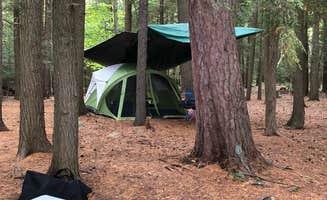
Natural seclusion: minimal neighbor interaction: Many sites offer significant privacy from other campers. "Our island had 4 other campsites on it and we barely saw or heard our neighbors," notes Angela about her experience at Saranac Lake Islands. Sites separated by natural barriers provide better sound insulation.
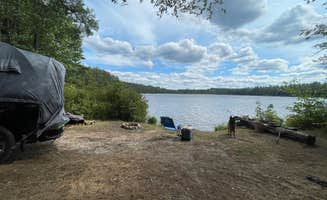
Waterfront views: direct lake access: Waterfront sites allow for immediate water activities without transportation. "The views from site #4 of the pond were beautiful," shares Dylan J. about Jones Pond NYSDEC Primitive Campsites. Site selection can significantly impact water visibility and access points.
What you should know
Site accessibility varies: vehicle limitations apply: Access roads to primitive sites often require appropriate vehicles. At Jones Pond, "Site #1 is near the entrance and near the road. It is the only site that would be accessible for larger rigs such as an RV," explains Dylan J. Four-wheel drive vehicles may be necessary for certain routes, particularly after rainfall.
Camping permits and regulations: observe stay limits: Without permits, campers face restrictions on consecutive nights at some locations. "You can stay a maximum of three nights without a permit," notes a reviewer about Jones Pond. Contact the Department of Environmental Conservation for extended stay permissions.
Seasonal availability: plan for off-peak visits: Middle Pond Campsite experiences heavy use during peak months. "Beautiful location but this campsite is popular during the summer months. Off season is generally when you will find this campsite available," advises Kurt V. Weekdays typically offer better site availability than weekends.
Tips for camping with families
Gear transport planning: multiple trips for equipment: When camping on islands, logistics become crucial. "Canoed into our campsite, #15. It took 3 trips to bring in all our gear," shares Angela about Saranac Lake Islands. Families should prioritize essential items and consider how equipment will be transported to remote sites.
Pet considerations: leash requirements and space: Dogs may enjoy the freedom of remote sites, but regulations still apply. "A lot of people have their dogs off leash as well," notes Tyler C. about Jones Pond. Families camping with pets should bring tie-outs and maintain control of animals when rangers visit.
Swimming access: evaluate water entry points: Water access varies significantly between sites. At Back Bay Campground, boat-in sites provide direct water access, while walk-in sites may require a short hike to swimming areas. Families should research water conditions before allowing children to swim.
Tips from RVers
Site selection for larger vehicles: limited options available: Most primitive sites cannot accommodate large RVs. "Site #2 is along the water and is accessible by car/suv/truck," explains a reviewer about Jones Pond, indicating the limitations for larger rigs. Research vehicle length restrictions before attempting access roads with RVs.
Service road conditions: prepare for rough terrain: Access roads to primitive campsites often present challenges. "The two track access road is rough and all dirt," reports Dylan J. about Jones Pond. RVers should call ahead to confirm current road conditions and accessibility for their specific vehicle size.





 Guide
Guide


