Dispersed camping near Potsdam, New York offers primitive sites throughout the Adirondack region, with elevations ranging from 1,200 to 2,000 feet. The area experiences typical northeastern seasonal variations, with summer temperatures averaging 70-80°F and winter lows frequently below freezing. Most dispersed sites in this region require campers to practice leave-no-trace principles due to limited facilities.
What to do
Water activities on Payne Lake: The public boat ramp at Payne Lake Dispersed Site makes kayaking and fishing accessible year-round. A camper noted, "Beautiful views, peaceful and quiet" with adequate parking available on both sides of the launch area.
Hiking from campsites: Cranberry Lake Backcountry Sites connect to several day-hiking trails through northern hardwood forests. One visitor shared, "The Curtis Pond hike was our favorite and there are some incredible beaver dams along the way."
Swimming at designated beaches: Little Green Pond features natural swimming areas with gradual entry points ideal for wading. According to a camper, "Pond has a small beach to swim" with tree-covered sites providing shade for hot summer days.
What campers like
Complete digital disconnect: Polliwog Lake on Floodwood Road offers a true escape from technology dependencies. One camper simply stated their experience as "Camped here for a few days, no cell, no internet," highlighting the uninterrupted nature connection.
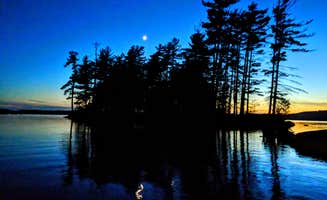
Sunset views from island sites: The islands at Cranberry Lake provide exceptional sunset perspectives not available at mainland sites. A reviewer described their experience: "The sunsets from the island were truly incredible. Each site has a picnic table and fire ring."
Privacy between campsites: Jones Pond sites are arranged to maximize separation between campers. The natural vegetation barriers between sites create individual camping experiences even during busy periods.
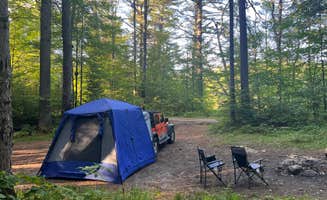
Forest canopy coverage: Mountain Pond Road sites feature extensive tree cover, providing natural cooling during summer months while maintaining a rustic camping atmosphere.
What you should know
Variable road conditions: Access to Horseshoe Lake requires preparing for unpaved driving. As one camper advised about County Road 421, "Road is rough but easily doable if you take it slow."
Weather preparation: Weather patterns in the Adirondack region can change rapidly, with temperature swings of 30+ degrees possible within 24 hours, especially in spring and fall.
Water sourcing requirements: Most dispersed sites require water planning. At Cranberry Lake, a camper noted, "You will either need to bring your own potable water or filter from the lake, so don't forget your water filter."
Limited cellular connectivity: Communication options vary significantly by location and carrier. Even with boosting technology, signal strength remains unpredictable throughout the region.
Tips for camping with families
Wildlife viewing opportunities: Little Green Pond provides excellent wildlife observation chances for children. A visitor commented that "Tree covered sites" create natural habitat for birds and small mammals within safe viewing distance.
Easy-access sites for young children: Select sites at Payne Lake have minimal hiking requirements from parking areas, making them suitable for families with toddlers or larger amounts of gear.
Insect preparation: During peak summer months, biting insects can be prevalent. Bring appropriate repellents and protective clothing, particularly for evening hours.
Swimming safety considerations: While natural swimming areas exist, none feature lifeguards. Maintain continuous supervision of children near water, and check for underwater hazards before allowing swimming.
Tips from RVers
Solar power limitations: The dense forest canopy at many sites impacts solar charging capabilities. One RVer at Horseshoe Lake observed, "As it's a forest, the sites are pretty shaded, so solar and Starlink may present challenges."
Length restrictions: Most dispersed sites cannot accommodate RVs longer than 25 feet due to turning radius limitations and entrance clearances.
Ground stabilization needs: Spring camping often requires additional stabilization equipment as thawing ground can create unlevel parking situations, particularly at sites without designated pads.
Generator restrictions: Most dispersed sites prohibit generator use to maintain the natural soundscape. Plan for alternative power sources or select sites at established campgrounds if electricity is essential.




 Legend


