Dispersed camping near Newfoundland, New Jersey is concentrated primarily within the Delaware Water Gap National Recreation Area and surrounding state forests. Most sites sit at elevations between 800-1,400 feet, creating cooler microclimates compared to nearby urban areas. Winter camping remains possible at several locations but requires proper cold-weather gear as temperatures can drop below 20°F from December through February.
What to do
Hiking access only: The Appalachian Trail Designated Backpacker Campsite 2 requires all campers to hike in with their supplies. Katharine T. notes, "We stayed here during our section hike through the DWG on the AT. There's plenty of space... Great views!" The site connects to over 15 miles of marked trails.
Trail exploration: From Thunder Swamp Trailhead in Pennsylvania, campers can access multiple trail systems. Jason R. mentions, "Tons of hiking. Went down Saw Creek trail to a marsh." The trailhead provides overnight parking for backpackers heading into Delaware State Forest.
Wildlife observation: Spring and fall migrations bring diverse bird species through the region. Multiple camping areas report deer, turkey, and occasional black bear sightings. Proper food storage is essential as most sites lack bear-resistant containers.
What campers like
Solitude and quiet: Many dispersed camping areas in this region receive minimal weekend traffic compared to established campgrounds. At Hemlock Ridge MUA Dispersed, Dawn M. appreciates that "it's quiet and off the beaten path... I was the only one here and it was a very peaceful and relaxing night."
Natural settings: The forested terrain provides ample shade and natural screening between camping areas. Most sites feature native hardwood forests with mixed oak, maple, and hemlock stands. Seasonal streams are common but often dry during summer months.
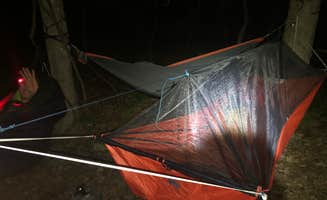
Hammock-friendly terrain: Several sites feature suitable tree spacing for hammock setups. At Appalachian Trail Designated Backpacker Campsite 2, Katharine T. mentions, "Good trees for hammocking," making it popular for through-hikers using lightweight gear.
What you should know
Parking limitations: Most dispersed sites have minimal parking. Dawn M. warns about Hemlock Ridge MUA: "The parking lot only holds about 4-5 cars, 6 if you park real tight." Arriving mid-week or early morning improves chances of finding space.
Vehicle access challenges: Hickok Brook campsite in New York requires high-clearance vehicles. Corey reports, "The road is very rough with huge potholes so good clearance is a must." Many sites become completely inaccessible during winter or after heavy rain.
Permit requirements: Regulations vary by location and jurisdiction. At Hickok Brook, Gregg T. cautions, "Need a permit on NY state land. Contact Rangers office of whatever county." Free camping near Newfoundland, New Jersey often requires permits obtained in advance from state offices.
Water sourcing: No dispersed sites offer potable water. Campers must either carry in all water needs or have filtration systems for natural sources. Seasonal streams often dry up by mid-summer, making water planning critical.
Tips for camping with families
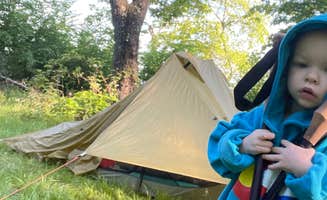
Site selection: Choose locations with flat ground for tent placement. At Thunder Swamp Trailhead, Benjamin H. notes, "It's a gravel parking lot. Plenty of shade." For families, look for sites with natural boundaries to keep children from wandering.
Wildlife precautions: Teach children proper food storage techniques. Keep all scented items secured when not in use. Several sites report increased bear activity during late summer and fall.
Bathroom considerations: No dispersed camping areas provide toilet facilities. Prepare to dig catholes at least 200 feet from any water source and pack out all paper waste. Bringing a portable toilet system benefits families with young children.
Tips from RVers
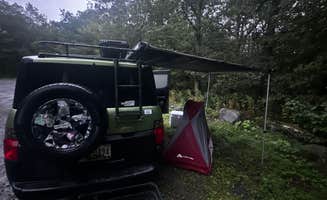
Size restrictions: Most dispersed camping areas near Newfoundland cannot accommodate large RVs. At Hickok Brook, Corey advises, "I drove in thinking that there would be flat places to park a very rugged camper in my full ton diesel pickup... It's not a good spot for car camping." Small truck campers or vans fare better at most locations.
Self-containment: No dispersed sites offer hookups or dump stations. RVers must arrive with full water tanks and empty waste tanks. The nearest dump stations are typically at private campgrounds, requiring a fee for non-guests.
Generator restrictions: Most dispersed areas prohibit generator use entirely. Campers needing electricity should rely on solar or battery power systems. Hemlock Ridge MUA allows campfires but prohibits gas-powered generators due to noise restrictions.




 Scout
Scout


