Dispersed camping near Seney, Michigan occurs primarily on U.S. Forest Service land within the eastern Upper Peninsula. The area sits at approximately 680 feet above sea level in a region characterized by wetlands, inland lakes, and mixed coniferous-deciduous forest. Winter access becomes severely limited from November through April due to heavy snowfall accumulation and unplowed forest roads.
What to do
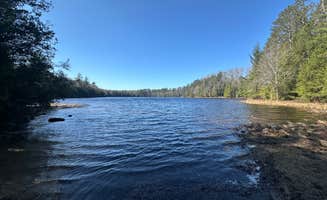
Kayaking inland lakes: Ironjaw Lake offers paddling opportunities on connected waterways. "We were lucky, we went pre-season. We did have to clear a bunch of down trees to get down the road but we had the site and the lakes to ourselves. It was gorgeous," notes one Ironjaw Lake Dispersed Campsite visitor.
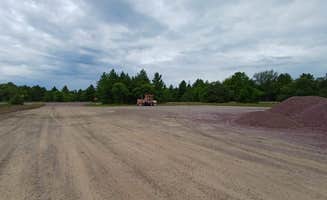
ATV trail access: Several sites function as winter snowmobile staging areas but offer summer camping. "It is a snow mobile parking lot. Ideal for camper vans, or car camping. Close enough to Pictured rocks. Just pulled in here for the night since we are ahead of schedule," reports a camper at Adams Trail Dirt Lot.
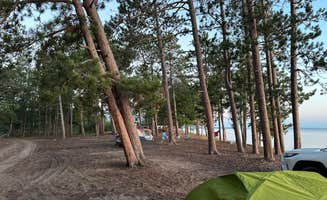
Lake Superior beach access: Though increasingly restricted, some shoreline areas permit camping. "This place is tricky to find and I would suggest keeping a low profile. I didn't have problems but others have said locals don't like people camping here. You'll have a front row seat to the lake. My hammock was almost over the water," shares a visitor to Lake Superior Beachfront.
What campers like
Complete solitude: Many sites provide genuine isolation despite proximity to major routes. "Long nice road with a few pull offs once you are close to the end there is one official site with a table and fire circle. Is first come first serve but if you keep driving down there are two different boat launches with room to park/camp," notes a visitor to Ironjaw Lake Dispersed Campsite.
Unexpected amenities: Some rustic sites provide more than expected. "Great site located between two lakes. In response to the previous review, your best directions will come from locating the site on your GPS and dropping a pin. That took us straight to the location no problem. Totally legit dispersed camp site," explains a camper at Ironjaw Lake.
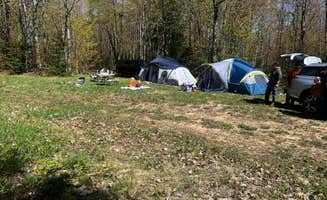
Flat camping surfaces: Many sites feature level ground suitable for various shelter types. "Fairly large area of sandy meadow, interspersed with copses of trees to give a greater sense of privacy. A lot of truck traffic and ATVs during the day. We were there with two or three other campers Labor Day weekend," reports a camper at Wide Waters Dispersed Camping.
What you should know
Cell service varies dramatically: Connectivity depends entirely on specific location. "Quiet spot especially in early May, cell service with Verizon was shockingly good," reports one visitor to Hickey Marsh Dispersed Camping, while Adams Trail Dirt Lot users note "Zero cell reception for Verizon or ATT."
Seasonal insect intensity: Bug pressure peaks during summer months. "This is a great spot, very private and easy to access. T-Mobile cell services was very good. I would warn though that the mosquitoes were pretty bad when we visited," warns a Hickey Marsh camper.
Changing accessibility: Site availability changes regularly due to land management decisions. "We found this location and much to my shock it was very large. BUT on day two we had a note in our tent from the DNR. This spot is not correct. We cross referenced this with three maps in the beginning before we went and after we arrived just to double check," reports a camper at Rhody Trail Pull Off.
Tips for camping with families
Reliable sites for anxious campers: Beginners should target established areas. "We only found 2 pull in sites and took the first one. We were able to back our 26 foot travel trailer in and stay hooked up to it. There was only 1 car drive by in 2 days," notes a Hickey Marsh camper.
Site verification before arrival: Confirm site legitimacy by cross-referencing multiple sources. "After speaking to the amazingly sweet DNR officer, and exchanging pics of maps she advised us our best bet in the future is to use the county gis and onX maps to be sure we are in the correct spots," advises a former Rhody Trail visitor.
Proximity to roads: Consider noise levels from ATVs and vehicles. "Because the access to both lakes is near the camp site, we did encounter vehicles driving by, maybe 2 a day. It is the end of the road though so no one was driving to fast and it didn't cause any issues," reports a visitor to Herman Lake Dispersed.
Tips from RVers
Access road conditions: Many sites require navigating difficult forest roads. "We went down a very deeply rutted and muddy one lane road in for about 1.5-2 miles. We have a 21 ft travel trailer. Although we stayed one night and made it to and from unscathed, we do not recommend towing down this road," cautions a Herman Lake visitor.
Parking lot alternatives: Snowmobile staging areas provide flat, open spaces. "Large, flat, dirt parking lot for snowmobilers in the winter. No other signage re: overnight parking. We stayed here in August on a rainy day and it was just us (in a 26ft motorhome) and a van lifer here," reports an Adams Trail Dirt Lot camper.
Sand hazards: Some sites present traction challenges. "Fairly good gravel road access, but once you're there, be careful not to get stuck in the sand. Despite the signage, the road does not go through to Whitefish Point," warns a Wide Waters visitor.







 Scout
Scout


