Tent camping near Bridgewater, Massachusetts offers access to both coastal and wooded environments within a 30-60 minute drive. The region sits at low elevation (less than 100 feet above sea level) with a humid continental climate featuring warm summers and cold, snowy winters. Most tent campsites in the area require advance booking during peak summer months (June-August) when temperatures typically range from 70-85°F.
What to do
Beach exploration: Cape Ann Camp Site offers proximity to local beaches where campers can swim, sunbathe, or collect shells. According to Dan, "We had a great time camping and going to the beach. The camp ground is full of beautiful boulders and fire pits."
Island hopping: Boston Harbor Islands State Park Campground provides opportunities to visit multiple islands via inter-island ferry service. A visitor notes, "While you're out on the islands, take time to explore one of the others...look for sea glass on Spectacle Island and climb the hill for a view of the Boston skyline, explore the old forts and visitors centers."
Hiking: Frosty Hollow Camping Area in nearby Rhode Island connects to trail systems through wooded areas. The campground serves as a base for day hikes through deciduous forests with minimal elevation gain, making trails suitable for most fitness levels.
What campers like
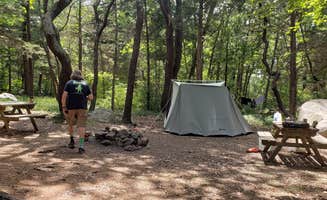
Privacy between sites: Cape Ann Camp Site is praised for spacious tent sites. According to John S., the campground offers "great sites with A LOT of space between them" and Della S. notes that it has "beautiful tent sites" that provide more seclusion than the RV areas.
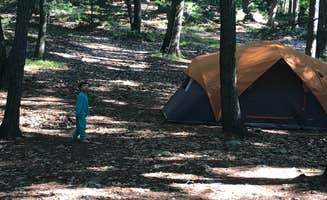
Wildlife viewing: Buck Hill Campground attracts campers interested in spotting local wildlife. Greg R. describes it as "heavily wooded without much else around" creating opportunities to observe native birds, small mammals, and occasionally deer at dawn and dusk.
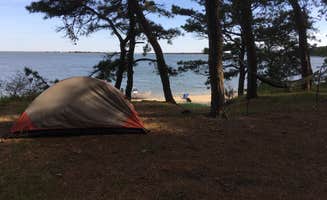
Water access: Washburn Island Campsites provides direct water access. Tim C. explains, "Small island with 10 camp site (one group) all with views of the water very quiet at night." The location allows for fishing, kayaking, and swimming directly from camp.
What you should know
Advance planning required: Many campgrounds in the area fill quickly, especially for summer weekends. For Boston Harbor Islands, "Reservations open 6 months in advance and sites fill quickly, so plan ahead if you're counting on a particular day."
Transportation logistics: Several camping destinations require specific transportation arrangements. At Washburn Island Campsites, "You need a boat or a ride out there, close to the main land so a canoe/kayak would work."
Physical demands: Sandy Neck Beach Park Primitive Campsites requires significant effort to reach. Anna C. explains, "The hike in to the sites can be particularly difficult because it requires trekking through sand without any sun coverage and with all of your gear."
Tips for camping with families
Educational opportunities: Camp Nihan Education Center accommodates younger campers with accessible outdoor experiences. According to Michael V., "We went camping here with our SpiralScout Circle, kids aged 4-8. The group site is super close to parking and yet the terrain is rugged enough that it always felt like we were really in the woods."
Water safety: Several campgrounds offer supervised swimming areas during summer months. Buck Hill Campground features "a small somewhat sandy area that perhaps used to be a beach of sorts" with clean water that's "fine for swimming with a few areas that make for easy entry."
Seasonal considerations: For families concerned about crowds, consider shoulder seasons. Tim C. notes that while summer reservations can be difficult, camping in "May, September, and October" offers similar experiences with fewer people.
Tips for RVers
Limited options: Most tent-focused campgrounds near Bridgewater have restricted RV access or no facilities for larger vehicles. Cape Ann Camp Site is one exception, with Lajaun C. noting they have "water, sewer, and electric hookups" and "all size RVs and tents are welcome."
Site surfaces: RV campers should note that even at campgrounds that accommodate them, many sites lack concrete pads. One reviewer noted that "the sites are all dirt" and there are "no concrete pads" at some locations, which can make leveling challenging during wet conditions.






 Legend


