Equestrian camping near Palm Harbor, Florida centers on several wilderness preserves within 30 miles of the city. The region's subtropical climate with summer temperatures averaging 90°F requires campers to plan for frequent afternoon thunderstorms and high humidity from June through September. Mosquitoes are particularly active during summer evenings at most campgrounds, with sites in the Serenova Tract reporting especially high activity after rainfall.
What to Do
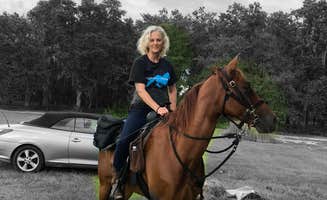
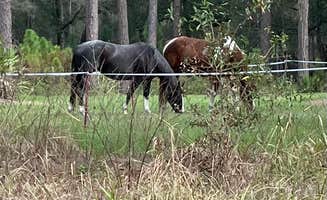
Trail riding and horse camping: The Jay B. Starkey Wilderness Park offers over 50 miles of designated equestrian trails through varied Florida landscapes. "Part of the Starkey Wilderness Preserve, this location is full of multi use trails... There are specific equestrian camping sites as well," notes Jeanene A., who recommends bringing "binoculars! Over 150 species call Starkey home either full or part time."
Wildlife viewing: Colt Creek State Park provides opportunities to spot native Florida wildlife. Barbara A. shares that this "park is beautiful, quiet, alive with wild life, we saw deers, owls, turtles, rabbits & a mama wild boar with her piglets." The park's newer campground features easy access to observation areas.
Paddling and fishing: Little Manatee River allows paddlers to explore natural waterways directly accessible from camping areas. "There are lakes and multiple varieties of terrain," explains Tim L. about the water features found throughout the region's preserves. Several campgrounds maintain boat launches with canoe and kayak rentals available seasonally.
What Campers Like
Privacy between sites: The Serenova Tract Campsites earn praise for their layout. Abby M. describes, "Most sites feel pretty secluded and never got full during my visit. Watch out for wild hogs during any hikes or trail rides as they are very active in this area." Sites require advance reservation through Southwest Florida Water Management.
Convenience to supplies: Campers appreciate the accessibility of supplies near primitive camping areas. One camper noted, "There's a Publix just across the street and a gas station not even half a mile down the road. Super easy to get to and short drive down a dirt road." This makes multi-day equestrian trips more manageable without needing to haul all supplies.
Security features: Starkey Wilderness Preserve — Serenova Tract provides enhanced security measures. Tucker B. explains, "I did have to reserve a spot online and that provides you with the gate code to access the camping area." This controlled access system helps maintain site integrity and reduces unauthorized use.
What You Should Know
Site conditions vary seasonally: Summer visits require additional preparation due to intense heat and insects. "If you're looking for peace and quiet, do not go on a weekend," advises Shaun C., who found the popular Little Manatee River State Park "PACKED" on weekends with "very loud, too many tents packed into each site."
Water availability limitations: Many primitive campgrounds don't provide potable water. At Serenova Tract, Hootmon H. notes: "4 instead of 5 only because there is no potable water." Campers should plan to bring sufficient water or treatment options, especially during warmer months.
Reservation requirements: Most equestrian campgrounds require advance booking through various systems. Reservations often provide access codes for gated areas, confirmation numbers, or specific site assignments, and last-minute availability is limited during peak season (January-March).
Tips for Camping with Families
Age-appropriate trails: Oak Ridge Primitive Campground within Lower Hillsborough Wilderness Preserve offers family-friendly trail options. "You then have access to miles and miles of trails and can really enjoy yourself out here," shares Elliott B., who encountered "several deer and some gopher tortoise" while hiking in.
Educational opportunities: Several parks maintain nature centers with kid-focused programs. Melanie B. mentions that one park has "lots of hiking, bike trails, and 2 playgrounds within mere steps of your tent or cabin. I've camped here with my 4/5 year old boys and our Cub Scout pack."
Weather contingency plans: Summer afternoon thunderstorms are common, requiring flexible scheduling for outdoor activities. Covered pavilions at most equestrian campgrounds provide shelter during sudden downpours, though families should plan indoor alternatives when heavy rain is forecast.
Tips from RVers
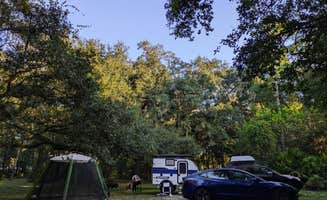
Access challenges: Many equestrian camping areas have limited access for larger rigs. The Cypress Creek Preserve access road presents challenges for some vehicles. Sue G. warns, "I suggest you arrive before dark as the road is a bit rough and narrow, with no light. We are in a 24' class C and found a nice private area that was surprisingly level."
Site spacing: RVers with horse trailers need to consider site dimensions. Sites are "very spacious" according to AJ G., who found "little light pollution" and saw "a good bit of wildlife: deer and wild boar" during their stay.
Power considerations: Generator policies vary between parks, with most equestrian sites being primitive without hookups. Rigs requiring power should check restrictions before arrival as some preserves restrict generator use to specific hours or prohibit them entirely.







 Legend


