Dispersed camping near Nipton provides access to the Mojave Desert ecosystem where elevations range from 1,000 to 7,000 feet across the surrounding preserve. Summer temperatures can reach 115°F, while winter nights regularly drop to 25°F. The region's unique volcanic features and ancient lava flows create distinctive camping terrain with no cellular coverage in many areas except near main highways.
What to do
Explore lava tubes: North Lava Tube Camp offers direct access to natural lava formations approximately 11 miles down Kelbaker Road from Interstate 15. One camper at North Lava Tube Camp reports: "The trails are well marked and one can explore the Lava Tubes which is just across the dirt road and easy access. It's hot even in spring so bring a lot of water - more than you think you need."
Landsailing on dry lakes: Visit Ivanpah Dry Lake for wind sports when conditions permit. According to a visitor: "Ivanpah is a world-renowned spot for land sailing. The BLM has set the playa aside for use only by non-motorized vehicles and the lake is fantastic! All types of land yachts, kite buggies and other wind-powered craft sail there."
Wildlife watching: Early morning and evening provide opportunities to spot desert wildlife near camping areas. Desert bighorn sheep, jackrabbits, and various reptiles inhabit the Mojave landscape. Bring binoculars for better viewing.
Night sky photography: The minimal light pollution makes tent camping near Nipton perfect for astrophotography. Many campsites are situated away from highways, providing unobstructed views of the night sky with minimal artificial light interference.
What campers like
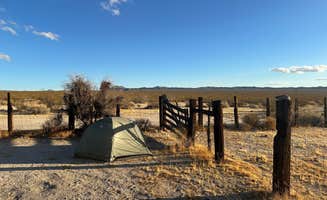
Rock formations for privacy: Tank Six Camp offers natural barriers that create secluded camping spots. A camper at Tank Six Camp shared: "Fabulous quiet spot with a nostalgic cattle corral. Gorgeous vistas. 50F at night in February."
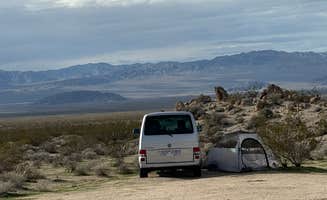
Solitude and quiet: Dispersed camping options provide significant distance between sites. One camper at 17 Mile Camp noted: "Great easy access dispersed camping. Showed up past midnight and it was still really easy to find a flat spot to park our camper van. It was very quiet all night & the sky was amazing!"
Established fire pits: Many designated dispersed sites have existing fire rings. A camper at Kelbaker Road Dispersed Camping mentioned: "I chose a spot that looked previously used. It was spotlessly clean and even had a fire pit and wood left by generous previous campers."
Challenging terrain access: For those with suitable vehicles, reaching remote campsites provides rewards. According to one visitor: "This route was particularly brutal for travelers heading east toward the Colorado River with most of the track being sand and little, if any, grass for livestock on the climb to Marl Springs."
What you should know
Road conditions vary dramatically: Many camping areas require careful navigation. One camper reported: "The road is sandy, rocky, and hilly with rivets and ruts. I made it in an AWD Subaru, but be careful. I scraped the undercarriage in one spot of the road and worried about getting stuck in sand in several other spots."
Water planning crucial: No potable water exists at most sites, requiring complete self-sufficiency. Bring at least one gallon per person per day, with additional water during summer months.
Fire restrictions change seasonally: Always check current fire regulations at ranger stations in Baker or at preserve entrances. During high fire danger periods, all open flames may be prohibited regardless of fire ring availability.
Seasonal closures: Some areas close when conditions become hazardous. A visitor to Providence Mountains State Recreation Area warned: "Got here at 9 PM and the gate to the lake bed was closed."
Trash management: Pack out everything you bring in. One camper observed: "Lots of spots, but the area is trashed. Garbage all over the place and used tires, looks like folks use this area as a dump."
Tips for camping with families
Choose sites with natural shade: Rock formations provide crucial sun protection. Sites against hillsides offer afternoon shade when temperatures peak during summer months.
Plan morning activities: Schedule hikes and exploration before 10 AM to avoid peak heat. Return to camp for midday rest periods under shade structures or vehicle awnings.
Pack extra clothing layers: Desert temperature fluctuations require versatile clothing options. Temperature swings of 30-40 degrees between day and night are common throughout the year.
Consider established sites: Road Runner Cove offers more amenities for families. A visitor reported: "This place is hard to get to but worth it. It's very isolated and secluded and it surrounded by trees. If you can make it you can camp and have A whole lake to yourself. Huge fish everywhere and cliffs to jump from."
Tips from RVers
Test access roads: When tent camping near Nipton with larger vehicles, scout roads first before committing. Some campers report successful large vehicle access: "34 foot rv no problem getting here and turning around."
Plan turnaround points: Sandy areas can create challenging conditions for RVs. One camper advised: "A word of caution, it is not easy to turn around because it's very sandy."
Leveling challenges: Bring additional leveling blocks for uneven desert terrain. Natural slopes throughout the area require careful site selection for comfortable overnight parking.


 Guide
Guide


