







 Traveler
Hollywood Casino RV Park - Tunica
Only RV Park around Tunica Resorts
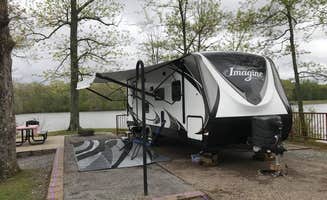
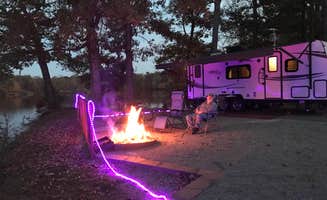
Booked a complete reservation(paid in full) online 2 weeks in advance and called a few days prior to inquire on check-in procedures and ask about early check in since we were coming from a few hours away. Was told that the RV Park has"any time" check in and when you check in proceed to the hotel registration desk to receive your site number. Upon arrival-- DO NOT FOLLOW THE SIGNS THAT DIRECT YOU TO THE RV PARK! Instead proceed down the far, far left arrow(not under the archway) around the back and that will take you to the hotel entrance where you can park easily to go inside and check in I reserved a pull through. We did not get a pull through. Every pull through was occupied but one and the water did not work on that site. We were given a back in site. I asked at check in if it was the same price since I booked a pull through and was told it was the same price. I also asked if we would fit and was informed that every site is the same length. They are not! We were given site#43. We did not even attempt it, we would not have fit. Our camper is 35 ft. And truck is 25 ft. I called the number and was transferred to the supervisor and explained the situation. By chance we were driving around and saw site#10 and inquired while she was on the phone with me. We fit in site#10. 1st and foremost, I am in no way bashing work camps. They serve a purpose and hubby has utilized them over the years with his previous employment. However, this is a work camp with a few travelers. Totally misrepresented online. It is not your typical casino RV park. It is run down along with the casino and several of the casinos in the Tunica area have been closed or are being torn down. It was quiet-ish. Being a work camp, diesels fired up between 3am-6am. People returned to their campers between 5pm-8pm. The bathhouse resembled a barracks after quitting time. Quiet time was 10pm and it was quiet until it was time to go to work. Everyone around did keep to themselves. Our"neighbors" were friendly and courteous. The RV park served its purpose to decompress and look at our route over the Mississippi River. We camped at Hollywood Casino Hotel& RV Park in a Travel Trailer.


