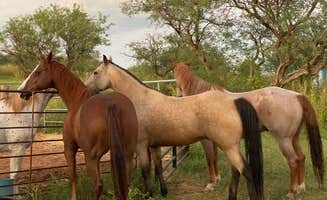
Campers near Saguaro National Park can access designated equestrian areas across elevations ranging from 2,500 to 8,000 feet. These sites span desert terrain to pine forests, with seasonal temperature fluctuations of up to 50 degrees between winter and summer. Water availability decreases dramatically from May through September at most horse campgrounds, requiring riders to carry additional water supplies for their animals.
What to do
Trail riding at Catalina State Park: The park offers multiple hiking and equestrian trails through desert landscapes with varying difficulty levels. "We saw (and heard) coyote, prairie dogs, and a rattlesnake eating a prairie dog along a trail right behind our campground loop!" shares Carly E. who visited Catalina State Park Campground. The Romero Canyon Trail connects to the 50-mile Arizona Trail system.
Visit historic western towns: Located 15 miles from designated camping areas, Tombstone offers authentic western experiences. "We embraced the WildWest and chose to stay at Tombstone RV park... We pulled up our boot straps and mounted the 4WD pony and headed to town, which was just up the road. There is a boothill cemetary and the legendary downtown Tombstone and the OK Corral. We even got to ride in a stagecoach!" notes GoldDust D. who camped at Tombstone RV & Campground.
Birdwatching at alkali flats: Winter migrations bring thousands of sandhill cranes to the area from October through March. "Got here about 6 PM and the lagoon was filled with cranes. Got amazing pictures of them. In the morning the lagoon was empty. You must have to get here during certain migrations," reports Ken from Playa Dispersed Campsite.
What campers like
Solitude and dark skies: Horse-friendly camping areas provide excellent stargazing opportunities away from city lights. "It is so quiet and beautiful. There were horse trails all around and you can bring your horses too. Dog friendly, and the owners were available if needed. Come for the stars, if nothing else," writes Maryrose L. about Rancho del Nido.
Diverse terrain for rides: Riders appreciate the mix of mountain and desert trails accessible from camps. "We had a great time camping and hiking at Cochise Stronghold. Stayed at the main campground but will stay at down at the dispersed area next time," says Marisa R. who enjoyed the equestrian-accessible areas.
Modern amenities at select locations: Some horse campgrounds offer unexpected comforts. "What wasn't old though was the feel of the facility which had modern amenities such as a pool and nice restroom facility... They do have rustic accommodations and cabins for those wanting to get the real old west feel and also accommodate both RV and tent campers," explains Crystal C. from Tombstone RV & Campground.
What you should know
Gate closure times affect horse camping: Several parks enforce strict entry/exit policies. "They do lock the gate at 4:00, so once in, you are there for the night. Only one other group when we were there," mentions Robbie B. about Colossal Cave Mountain Park. Plan arrivals accordingly when bringing horses.
Water access varies widely: During dry periods, some locations provide no water sources for horses or humans. "The unpaved roads become progressively rougher and require high clearance vehicles, particularly when towing horse trailers into the more remote camping areas."
Wildfire impacts trail access: Recent burns affect trail conditions and water quality. "The 48-day Bighorn Fire of June 2020 burned almost 120,000 acres / 25% of Catalina State Park. Because of vegetation loss, the Canada del Oro wash is prone to flooding when it rains at higher elevations. The wash has been running black with ash," explains Janet H. from Catalina State Park.
Tips for camping with families
Wildlife viewing opportunities: Children can observe desert wildlife from safe distances at established campgrounds. "Coyotes and some weird desert squirrels. Trails for mountain biking. Grills," notes Annika D. about Catalina State Park Campground.
Educational programs: Some parks offer ranger-led activities about local ecology and history. "The Path of Ancestors Trail has information boards along the way talking about the Hohokam tribe," reports one visitor at Colossal Cave Mountain Park.
Check site layout before booking: Campgrounds vary in child-friendliness. "The group camping areas are set up very nicely being easy to do all camp activities in a large space. The camp is nestled into the mountains so it's so green and great for nature walks! We saw a pair of owls keeping their nest safe," shares Jennifer H. from Catalina State Park.
Tips from RVers
Road conditions assessment: Access roads to horse-friendly areas often require high clearance. "Easy access for our RV, and the ground was level and firm," reports a visitor to dispersed camping areas, but others caution about rougher roads requiring 4x4 capabilities.
RV size limitations at horse camps: Many equestrian sites have specific length restrictions. "RVs longer than 24 feet won't fit in most of the sites," warns Shari G. about Cochise Stronghold Campground.
Finding level parking with horse trailer space: Select sites with adequate room for both RV and horse trailers. "The sites were huge, very big-rig friendly, and private. Additional signage for numbered sites would have been helpful, but it's not hard to find your spot using the power of deduction. Backing in our 25' trailer was easy," explains kristin S. from Catalina State Park.





 Guide
Guide


