Dispersed camping near Clay Springs, Arizona sits at an elevation of approximately 6,500 feet, providing cooler summer temperatures than lower desert regions. Located within the Apache-Sitgreaves National Forests, campers find ponderosa pine stands interspersed with juniper and cedar throughout the region. Winter access becomes limited after snowfall, with most campgrounds closing seasonally from November through April.
What to do
Hiking forest trails: The areas surrounding GreatSky CampRanch offer juniper and cedar terrain ideal for day hikes. "Camping in the Juniper and Cedars is an amazing experience, especially under the sky full of stars," notes one camper.
ATV recreation: Several camping areas provide direct access to designated off-road trails. Many visitors bring ATVs to explore the forest roads that connect various campsites. The back section of Dutch's Tank features what one camper described as "a huge ATV/Moto-x like course. Great hills and tracks!!"
Star gazing: The minimal light pollution makes Clay Springs excellent for astronomy. The area offers clear night skies from late spring through fall. Locations farther from main highways provide better visibility with less vehicle light interference.
Fishing nearby lakes: Several stocked lakes within 30 minutes of Clay Springs offer trout fishing opportunities. Show Low Lake Campground provides direct lake access, where "you can fish too. Plenty of bird and wildlife watching. We love to take our canoe and hang out on the lake," as one reviewer mentioned.
What campers like
Secluded sites: The dispersed camping areas around Clay Springs provide privacy without complete isolation. Campers appreciate the balance between accessibility and seclusion. "It was so quiet and peaceful," noted a visitor at Elk Pines RV Resort.
Cool temperatures: The higher elevation provides relief during summer months when desert temperatures soar. Daytime highs typically range from 75-85°F in summer, with nights cooling to 50-60°F. "We will be back for sure!" commented a summer camper.
Wildlife viewing: Morning and evening hours offer opportunities to spot elk, deer and various bird species. The forested landscape provides natural habitat for diverse wildlife. A reviewer at Show Low Lake Campground mentioned "plenty of bird and wildlife watching" as a highlight of their stay.
Convenient town access: While camping feels remote, most sites are within 30 minutes of supplies. "Great 4th of July events in town," noted one camper at AJ's Getaway RV Park, highlighting the benefit of nearby community activities.
What you should know
Limited cell service: Coverage varies significantly throughout the area. Most dispersed sites have minimal connectivity, with Verizon generally performing better than other carriers in this region.
Fire restrictions: Seasonal bans frequently occur from May through monsoon season. Always check current fire regulations before planning campfires. When permitted, campfire rings are available at established sites.
Weather changes: Summer thunderstorms develop quickly during monsoon season (July-September). The high elevation also means temperature swings of 30+ degrees between day and night are common. A visitor to K-Bar RV Resort found it "very clean and quiet" but suggests preparing for variable weather conditions.
Water access: No potable water exists at dispersed sites. Bring sufficient water for drinking, cooking, and cleaning. The nearest reliable water sources are in Heber-Overgaard or Show Low.
Tips for camping with families
Site selection: Choose campgrounds with level spaces and established boundaries. "HUGE sites and trails right outside the Campground" make AJ's Getaway RV Park particularly family-friendly according to one reviewer.
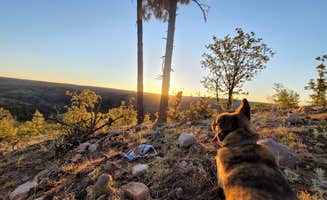
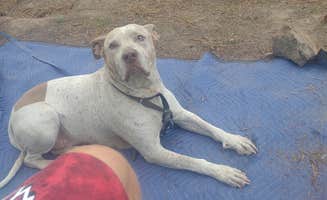
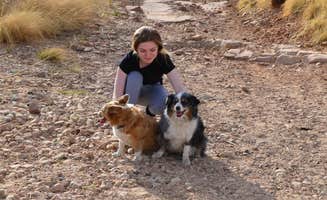
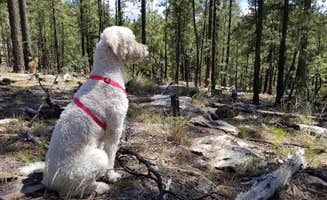
Dog-friendly areas: Most campgrounds welcome pets with minimal restrictions. Leash rules typically apply in established campgrounds, while dispersed areas offer more freedom for pets to explore. Campers report clean grounds with little trash, creating safe environments for pets.
Activity planning: Prepare for limited entertainment options at remote sites. One family reported: "You don't want to miss out on getting a spot and you won't be disappointed" at AJ's Getaway, noting the campground's thoughtful design for families.
Weather preparedness: Pack for both warm days and cool nights, even in summer. The elevation means temperature swings can surprise unprepared campers. Afternoon thunderstorms are common in July and August, so having shelter options keeps children comfortable.
Tips from RVers
Site leveling: Many dispersed areas require significant leveling for larger RVs. Bring adequate leveling blocks and stabilizers. "We had a great site near the rear of the park with many shade trees and plenty of room," noted a visitor at Arizona High Country Campground.
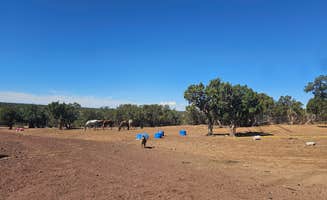
Road conditions: Access roads to dispersed sites vary in quality. Most require slower speeds and careful navigation. One camper at Dutch's Tank noted the "road ain't terrible" but still required caution with a 16-foot livestock trailer.
Hookup availability: Full-service sites are limited to established campgrounds. "Just spent one night here. Spots are tight and mine was not level. However, mgmt was very accommodating to get me in late eve for a night when everything else was full," reported one RVer at Arizona High Country Campground.
Generator etiquette: If using generators at dispersed sites, observe quiet hours (typically 10pm-6am). In established campgrounds, check specific rules as some restrict generator use entirely or limit operating hours.




 Traveler


