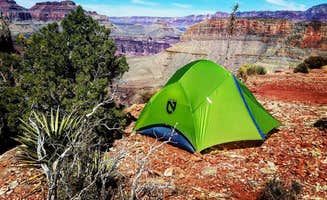
Tent camping at Grand Canyon National Park spans elevations from 7,000 feet at the rim to 2,400 feet at the river, creating distinct microclimates and camping experiences. Temperatures between rim and river can differ by 20-30 degrees Fahrenheit year-round, with summer temperatures at the canyon bottom frequently exceeding 100°F while rim areas remain moderate. Weather patterns shift dramatically with elevation, requiring campers to prepare for both extremes when planning overnight stays.
What to do
Morning hikes to plateau viewpoints: From Havasupai Gardens Campground, take a quick trek to stunning Colorado River viewpoints without committing to the full descent. "It's a quick trek out to a stunning view of the colorado river and to get a unique perspective of the canyon," notes camper Shelagh R., who recommends using this campground as a jumping-off point for side hikes.
Wildlife observation: Dawn and dusk offer prime opportunities for wildlife viewing, particularly at rim dispersed sites. "We had a huge bull elk with his cows walk right past our camp," reports Hugh M., highlighting the natural encounters possible at less crowded camping areas outside the main park boundaries.
Soak in creek waters: Cottonwood Campground offers access to Bright Angel Creek, providing cooling relief during hot days. "It's not close to much, but there is some running water you can cool off in and refill water," explains Phillip L., though he advises filtering any water collected from natural sources.
What campers like
Remote access with amenities: Tent campers appreciate Bright Angel Campground's surprising facilities despite its remote location. "It also had running water and a bathroom with full plumbing," notes Jack L., who found the site's amenities worth the challenging hike to reach them.
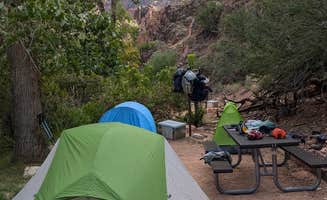
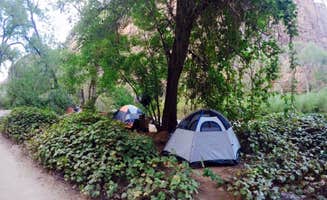
Natural shade options: Campers value protected sites during intense midday heat. "Sites typically have trees for shade. There is also a little ampitheater area where they have a big thermometer in case you're curious about the temps!" shares Leah W. about camping facilities within the canyon.
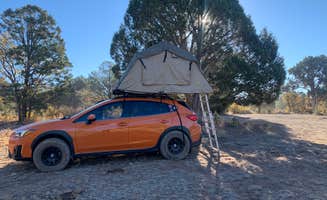
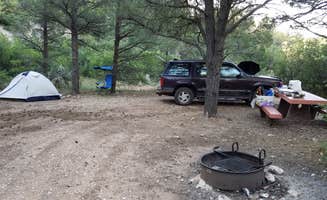
Quick park entry access: At Forest Service Road 328 Dispersed, campers value the location's proximity to the national park entrance. "Great spot, easy access and 6 miles from the South entrance to the Canyon," writes Mike M., though he cautions: "The directions land you in an area with lots of no camping signs. Just keep driving and the spots open up."
What you should know
Reservation timelines: Backcountry permits require extensive advance planning. "It takes months to get one, so please plan in advance," advises a camper about Phantom Ranch, where accommodations include not just dorms and cabins but also meal reservations that must be secured well ahead of time.
Wildlife protection measures: Squirrels and other small animals aggressively target food at most canyon camping areas. "Make sure you filter it. When we were there they didn't have running water to just fill up from," cautions Phillip L. about water sources near campsites.
Temperature extremes: Weather conditions vary dramatically between day and night, requiring layered clothing systems. "In the summer, they said it can get to about 120 degrees in the shade," reports Amy G., emphasizing the need for appropriate seasonal preparation.
Tips for camping with families
Break up canyon hikes: For families with children, segment the journey when attempting canyon camping. "We chose to make the ascent from the river over two days, stopping at Indian Garden halfway up so that we could take some side hikes," shares Shelagh R., whose strategy allowed exploration while managing hiking distances.
Ranger programs: Take advantage of educational opportunities for children at developed campgrounds. "There is a special Junior Ranger program specific to Phantom Ranch," explains Courtney C., noting this unique activity available to young visitors who reach the canyon bottom.
Water weight management: When hiking with children to Hermit Rapids or similar canyon locations, plan water usage carefully. "There is no water available until you reach the bottom of the canyon and the Colorado River so be sure to start your hike with 2 to 4 liters of water," advises Troy W., highlighting the importance of water planning when camping with family.
Tips from RVers
Access road assessment: For those with trailers or RVs seeking dispersed camping on forest roads, verify road conditions before attempting access. "Road was a little bumpy and not suggested for passenger cars!" warns Wally B. about forest road conditions leading to primitive camping areas, indicating even greater challenges for RVs or trailers.
Campsite selection timing: RV campers heading to dispersed sites should plan early arrivals. "If you stay here on the weekends and plan to go to the park, get up early. The lines are insane!" cautions Ethan B., noting the importance of timing both for finding suitable camping spots and for managing park entry wait times.
Pull-off availability: When seeking dispersed camping with larger vehicles, look for sufficient pull-off space. "Long road with lots of pull offs. I doubt you would have any issues ever finding a spot here no matter how busy it gets," notes Cole P., providing valuable information for RVers concerned about finding adequate space.











 Guide
Guide


