Dispersed camping near Lake Chelan National Recreation Area requires preparation for remote, rustic conditions. Most sites sit at elevations between 2,000-4,700 feet and lack developed facilities. Summer temperatures often exceed 90°F while spring and fall bring cooler conditions requiring warmer gear. Seasonal access restrictions apply during winter months when snow closes many forest roads.
What to do
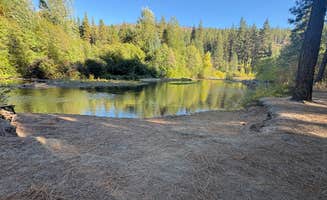
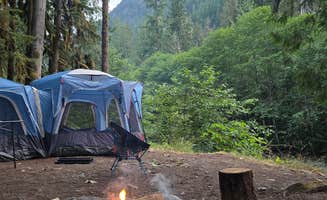
River access: Multiple Chewuch River dispersed sites provide direct water access. "This is a great location that is pretty much set up for hunting if you're into that. It's right on the water and there are plenty of spots and each spot has access areas to the river. The one in the very back left has its own personal beach area," notes Sarah S. about Chewuch River Camping.
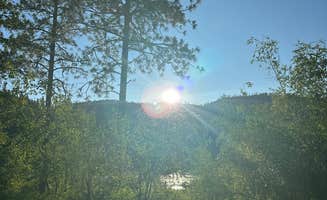
Wildlife viewing: Early mornings at creek-side locations often reward campers with animal sightings. At NF Dispersed Camping, one camper reported "The morning we were able to watch a fish swim upstream and large buck taking a stroll along the creek," making these sites particularly valuable for nature photographers.
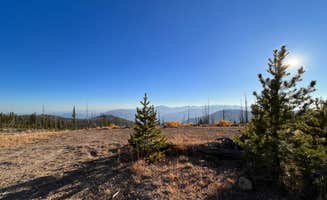
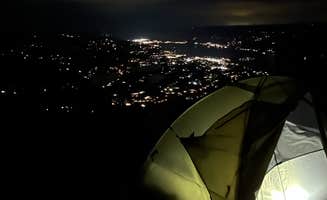
Stargazing: Higher elevation sites like Cooper Mountain Road provide exceptional night sky viewing due to minimal light pollution. "Near the peak of Fox Mountain, this area is at one of the highest points in the area," explains joseph about their experience at this location.
What campers like
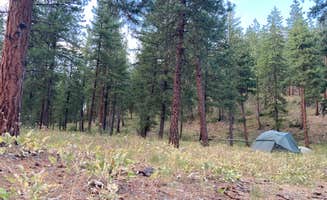
Seclusion: Less-traveled sites can provide quieter camping experiences. At Suiattle Riverside Camp, Kristen Z. found "This spot was so beautiful over looking a stream rushing over rocks. Ferns and big pines in the the background."
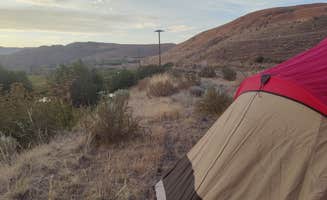
Elevated views: Several dispersed areas sit at higher elevations with panoramic vistas. "Sandy dirt camping site near the USGS sensor station. No fires today due to high fire danger, but there was a pit in the camp. Tent right on the ridge," writes Luke B. about Chelan Lookout.
Water features: Many campers specifically seek sites adjacent to water bodies. At Upper Bobcat, Emma noted "Great spot with plenty of sites. Lots of room at your site and between neighbors. Super close to the river."
What you should know
Road conditions: Many dispersed sites require high-clearance vehicles or careful navigation of unmaintained roads. According to Marco at NF Dispersed Camping, "Probably some good camping out this way, but we didn't get more than a mile in our promaster before turning around. Camped on a wider part of the road."
Variable site conditions: Site cleanliness and maintenance vary throughout the season. Lauren M. observed at some locations: "The site closer to hwy 20 had both trash and food debris everywhere. The tent pad was completely unusable because of trash." Always bring garbage bags to pack out waste.
Permit requirements: Washington Discover Pass is required at several dispersed camping areas. Emma T. noted about Sullivan Pond Camp: "Really peaceful and lovely campsite. Lots of flowers, just a few camping spaces available. Washington Discovery Pass is required for camping here."
Tips for camping with families
Safety considerations: Choose sites with adequate space for children away from hazards. At Upper Bobcat, Emma noted despite crowds, "There were a lot of people, mainly families, but everyone was super respectful and it honestly made me feel safer and a solo traveler."
Bug protection: Insect populations can be significant in warmer months. PJ H. warns about Upper Bobcat: "Was here last summer and the bugs were BAD, like hiding in the car and tent bad. Left with more bug bites than I could count."
Alternative accommodations: When forest roads prove challenging, consider SNO-Parks as backup options. "Nothing special. Just a parking lot a little off the highway. People are rolling in until about 10:30 and start leaving at 6. Clean pit toilet," reports Ashley A. about Goat Creek Sno-Park.
Tips from RVers
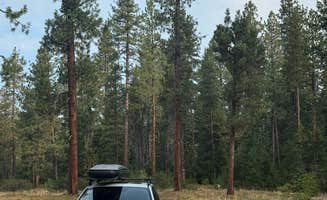
Size limitations: Most dispersed sites accommodate smaller RVs only. Reagan S. at NF Dispersed Camping found "Not super level, but worked with limited options available. Went all the way to the coordinates and found a spot good enough for a tent and a car."
Pull-out options: Some locations offer simple roadside pull-outs rather than developed sites. Kimberly C. evaluated Hard Creek Bridge and noted "We didn't stay here but we evaluated it on our way to one that was large enough to accommodate our big rig. It's a pullout just over the bridge along the main road."
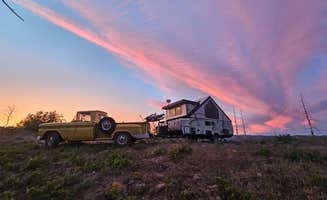
Road access challenges: High-clearance requirements and rough roads limit RV access. Brett B. observed about Cooper Mountain Road: "A couple spots washed out and need high clearance but otherwise just a long slow switchbacky road to the top."











 Scout
Scout


