Dispersed camping near Stockertown, Pennsylvania concentrates along the Appalachian Trail corridor and surrounding state forests within a 35-mile radius. The elevation in this region ranges from 400 to 1,600 feet, creating variable camping conditions across ridgelines and valleys. Winter temperatures frequently drop below freezing from November through March, while summer nights typically remain above 60°F.
What to do
Hiking at Bake Oven Knob: Access multiple trail segments from the dedicated parking area. Bake Oven Knob connects to several day hiking options. "The hike to the overlook is really lovely; short and rocky," notes camper Dani T.
Explore creek systems: Many campsites position near seasonal water sources that require filtration. The terrain features numerous small streams, particularly after spring rainfall. Water availability becomes more limited during late summer months.
Overnight on hiking routes: Multiple primitive sites serve as waypoints for section hikers. Appalachian Trail Designated Backpacker Campsite 2 provides strategic positioning for multi-day treks. Katharine T. describes it as having "plenty of space. We camped nearer to others but there are secluded spots too."
What campers like
Hammock-friendly forests: The dense hardwood forests throughout the region offer excellent hammock hanging opportunities. Reviewer Renee Z. noted one site was "a little on the small and sloped side for tent camping, but I was in a hammock and it was a great place for that."
Solitude with access: Most rustic camping locations near Stockertown provide a balance of isolation while remaining accessible from main roads. Thunder Swamp Trailhead offers "plenty of shade. No one bothered me," according to benjamin H.
Wildlife observation: The forests support diverse wildlife populations including white-tailed deer, wild turkey, and numerous bird species. Nocturnal sounds often include owls and amphibians during warmer months.
What you should know
Bear safety requirements: Black bear activity necessitates proper food storage at all dispersed sites. Some locations provide bear boxes, but most require hanging food supplies. Katharine T. reports that sites are "well maintained w bear boxes provided."
Water planning essential: Natural water sources remain scarce in certain areas, requiring advance planning. "There's no water nearby," notes one camper about Appalachian Trail Campsite, highlighting the importance of carrying sufficient water or researching reliable sources.
Terrain challenges: The rocky, uneven ground characteristic of Pennsylvania's mountain terrain impacts tent site selection. Several camping areas feature sloped surfaces requiring careful placement of sleeping areas.
Vehicle restrictions: Many rustic sites prohibit vehicle access beyond designated parking areas. Jason R. describes using "trailhead parking" for overnight stays, noting there was "no trouble" with this approach.
Tips for camping with families
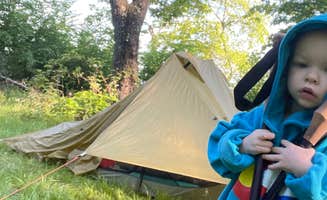
Site selection for children: Choose camping areas with relatively flat terrain to accommodate family-sized tents. Some locations offer more level ground than others, particularly important when camping with younger children.
Wildlife education opportunities: The varied ecosystem provides excellent opportunities for nature observation and education. Dawn and dusk offer optimal wildlife viewing times within camp boundaries.
Limited facilities planning: No developed facilities exist at dispersed sites, requiring families to prepare accordingly. Pack appropriate sanitation supplies and teach children proper wilderness bathroom protocols before arrival.
Tips from RVers
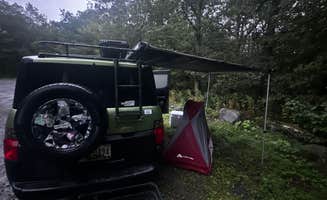
Trailhead parking options: Some trailhead locations accommodate overnight parking for smaller RVs or vans. "I've overnighted in my van here a bunch, no problems," reports Dani T. about Bake Oven Knob, which has "two large lots" suitable for overnight parking.
Limited RV access: Most rustic camping opportunities near Stockertown remain inaccessible to larger recreational vehicles due to narrow access roads and lack of designated sites. Smaller conversion vans and truck campers fare better at trailhead locations.
Supply planning: No hookups, water sources, or dump stations exist at rustic sites. RVers must arrive fully self-contained with sufficient water reserves and waste capacity for their intended stay duration.



 Scout
Scout


