Equestrian camping near Arch Cape, Oregon centers around several state parks and forests within 40-60 minutes of the coastal community. The surrounding Clatsop and Tillamook State Forests maintain dedicated horse camping facilities operating seasonally from May through October. Summer temperatures typically range from 60-75°F, with coastal fog often clearing by midday and autumn bringing increased rainfall.
What to do
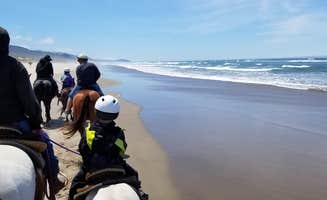
Beach riding experiences: Nehalem Bay State Park Campground allows riders to experience Pacific shoreline terrain. "Super cool place! Always horses riding on the beach too. Super neat experience," notes Jamie B. The beach access points accommodate both experienced and novice riders.
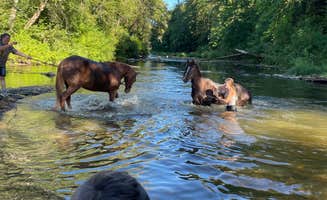
River fishing access: Campers at North Fork Trask can access multiple river points for angling. "Super big spots off side of forest roads. Nice and quiet back there other than locals and loggers through the night," reports Braxton C. The fishing spots remain accessible throughout summer when water levels decrease.
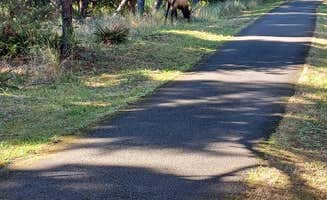
Trail exploration: The extensive trail networks connect multiple camping areas. At L.L. Stub Stewart State Park, "There are lots of hiking, biking, and horse trails throughout its extensive grounds," with one visitor noting "The park has recently renewed trail signage." Riders can follow interconnected paths that range from 1-5 miles between designated stopping points.
What campers like
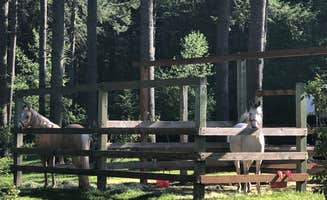
Well-maintained corrals: The horse facilities receive regular maintenance. At Clatsop State Forest Northrup Creek Horse Campground, "The horse camp sites all have corrals for the horses," comments Dexter I. Standard corral dimensions accommodate most horses with space for movement.
Quiet weekday periods: Mid-week camping offers significantly more solitude. "We had the campground to our self midweek. This is a wonderful campground far enough off the beaten path and being listed as a horse camp most likely keeps the crowds down," notes another Northrup Creek visitor. Weekday occupancy typically drops to 20-30% of weekend levels.
Spacious campsites: The established campsites provide adequate space between neighbors. Regarding Camp Wilkerson, one camper mentions "The solitude and creek nearby made the experience quite tranquil. It's our new favorite camping spot and we will be back." Most sites include level tent pads measuring approximately 10x12 feet.
What you should know
Manure management requirements: Equestrian campers must follow specific waste protocols. At horse campgrounds, "Manure bins and cleaning tools are provided throughout the grounds, and campers must clean up after their own horses."
Water access limitations: Water sources vary by location. At Northrup Creek, "Campground has a hand pump for water. Dish wash stations are through out the campground for pouring out your dish water," explains a reviewer. Not all campgrounds offer pressurized water systems.
Reservation timing: The most popular horse camps fill quickly during peak seasons. At Hares Canyon Horse Camp, one camper noted "During the main season when the whole place is open you can usually find a spot last min. This year with covid it's been harder to find a spot last min and they would only let you reserve 30 days in advance."
Trail conditions: Trail maintenance schedules affect riding conditions. "Owners don't clean up after their horses that go on the trail. Beautiful area secluded lots of trees," observes Eric S. about some trails. Wet weather can significantly impact trail accessibility.
Tips for camping with families
Playgrounds and activities: Several campgrounds include family-specific amenities. At Dairy Creek East, "Nice playground for kids, fun disc golf course and wonderful access to biking (paved or dirt)," mentions Ryan W. The playgrounds typically include 4-6 standard elements like swings and climbing structures.
Beginner-friendly trails: Several locations maintain shorter trails suitable for young riders. The Big Tree Trail at Northrup Creek "starts at the tent camping area, taking riders past impressive old-growth specimens." These beginner trails typically run 0.5-1.5 miles with minimal elevation changes.
Mixed accommodations: Groups can combine different camping styles. At Jones Creek, "Campsites are spaced well apart with lots of room in each site," and "You are close to a Fred Meyer store in case you forget something," making it convenient for families with diverse needs. Sites can accommodate multiple tent configurations.
Tips from RVers
Size restrictions: Many horse campgrounds have limited space for large rigs. At Northrup Creek, a visitor notes "While primarily a horse-friendly campsite, there are few RV/tent sites, but definitely not friendly for larger RVs." Most equestrian sites accommodate trailers up to 35 feet, but turning radius can be limited.
Hookup availability: Service connections vary between campgrounds. "Each site has a picnic table, fire pit, and a flat ground for tents with ample shade from large trees," but not all offer full hookups. Where available, most provide 30-amp service with some 50-amp options.
Seasonal access challenges: Weather affects campground operations. At Fort Stevens, "Oregon is well known for its magnificent state parks, and this is no exception. The campground is huge, probably some 400+ spaces; well cared for & clean," but "Unfortunately in May, the mosquitos were out in full force in the campground." Spring access roads can become muddy after heavy rainfall.






 Legend


