Tent campsites near Great Smoky Mountains National Park range from 1,700 feet elevation at Big Creek to over 6,000 feet at high mountain shelters. Seasonal temperature variations can exceed 15 degrees between valley locations and mountaintop sites. Primitive camping options often feature natural water sources, though most require filtration systems for drinking water safety.
What to do
Hiking to waterfalls: Access popular swimming spots from Big Creek Campground. Multiple trails lead to natural water features with "nice path to walk and explore along stream which is very beautiful," according to Nick. The trail to Midnight Hole is family-friendly with moderate difficulty.
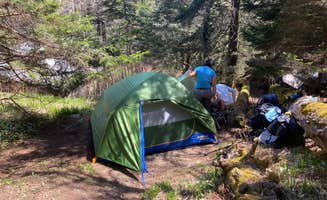
Backcountry exploration: Trek to remote locations using designated shelters as base camps. High-elevation camping at Mount LeConte Shelter provides access to peaks above 6,000 feet. One visitor noted: "I highly suggest taking the ranger tour out to the cliffs for the sunset viewing."
Fishing opportunities: Trout fishing is available throughout the park, especially in spring months. Many creek-side campsites provide direct water access. At Bote Mountain, one camper mentioned that "West Prong of the Little River runs right through both separated sites, so plenty of water is an understatement."
What campers like
Secluded experiences: Double Island offers unique boat-in tent camping on Fontana Lake. Dennis A. reports: "I have camped there on three occasions. More fun while boating when the water level is up prior to Labor Day. We did see more wildlife including bear when the level was down."
Trail proximity: Many campsites feature direct trail access to major hiking routes. At Cosby Campground, Lori H. shared: "The trailhead for Mt. Cammerer via Low Gap leaves from here also, and that was a great hike, the first 3+ miles are rough and steep, but once you hit the AT it gets easier."
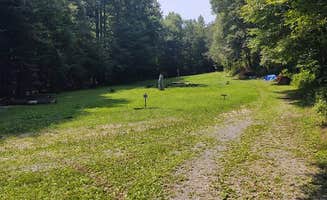
Lower crowds: Less-visited areas provide greater solitude. At Cosby, Tricia L. noted: "Was directed to Cosby by a NPS Ranger as an overlooked, beautiful campground. Arrived close to dark and had our pick of gorgeous, wooded sites- even on a weekend in July."
What you should know
Reservations required: Most backcountry sites require advance permits through the park's backcountry reservation system. For tent camping near Great Smoky Mountains National Park entrances, frontcountry sites fill quickly during summer.
Water availability: Natural water sources require filtration. Amanda from Mount LeConte Shelter notes: "Primitive shelter with privy and water nearby, and bear cables. But, note that it's not free. You have to get a permit through the GSMNP website."
Bear precautions: Wildlife encounters are common. At Tricorner Knob Shelter, Christina Z. observed: "We had zero issues with bugs or critters bothering us at night. I was also able to get cell/satellite service outside the shelter and up on the AT."
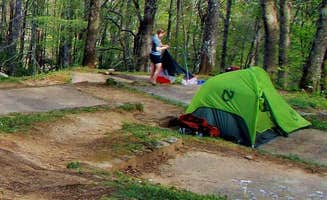
Temperature variations: Higher elevations experience significantly cooler conditions. Bill S. reports of Tricorner Knob: "The area around the shelter is high, rocky, and remote. Expect 10-15 degrees less than the Park headquarters."
Tips for camping with families
Beginner-friendly options: Choose established campgrounds for first-time backcountry experiences. Janine B. recommends Cosby: "This location is a great choice for anyone who wants to visit GSMNP while avoiding some of the crowds. This campground rarely fills up, allowing for the opportunity to pick your site when you get there."
Educational opportunities: Take advantage of ranger programs. Janine also noted: "On Fridays they have special Ranger programs. We were lucky enough to learn about moon-shining from guys on the moonshiner TV show."
Swimming access: Natural water features provide recreation for children. At Gateway to the Smokies, Liz L. shared: "I love the waterfalls on this property. They are so soothing to listen to as we grill out, sit at the fire pit, and play in the water."
Pet restrictions: Dogs are permitted in campgrounds but prohibited on most trails. Janine B. mentions: "Note that dogs are welcome in the campground but not on the majority of the trails."
Tips from RVers
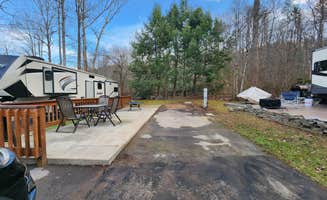
Size limitations: Most primitive tent campsites near Great Smoky Mountains National Park don't accommodate RVs. At Site 65, Myron C. confirms: "Site 65 is hike in only, but it has space for at least three tents. It is not for RVs or travel trailers."
Parking considerations: Frontcountry campgrounds often require equipment to be carried from parking areas to sites. Katrin M. notes about Big Creek: "You cannot park your car right on the campsite. There is a parking lot and you need to carry your gear in. It's about 100 feet to the sites."
Road conditions: Access roads to remote campgrounds can be challenging. Alison W. advises Big Creek visitors to "plan to be without WiFi and for your car to navigate difficult ground on your way in and out."











 Traveler


