Dispersed camping near Katonah, New York provides rugged backcountry experiences in the densely forested Hudson Valley region. While limited in number, these primitive camping areas extend across several hundred acres of mixed hardwood forest with elevations ranging from 500-900 feet. Winter camping requires additional preparation as temperatures regularly drop below freezing from December through March, with snowfall making access challenging.
What to do
Wildlife observation: Taconic Hereford Multiple Use Park backs up to additional protected forest lands, creating an extensive habitat corridor. "There is plenty of trails to explore and wildlife to enjoy, especially since these over 900 acres also back up to another huge plot of protected forests," notes camper Doc B.
Climbing preparation: The dispersed sites serve as affordable base camps for rock climbing enthusiasts. The primitive settings at Hemlock Ridge MUA Dispersed attract climbers specifically. "Many climbers stay there for access to the gunks," reports Cory D., referring to the nearby Shawangunk Mountains, a popular climbing destination.
Tech disconnection: Plan for limited connectivity at some locations. While Taconic Hereford typically maintains cellular service, other areas offer a true digital detox. Campers report this isolation as a benefit rather than drawback. "There are absolutely no amenities whatsoever and barely even a signal here, but it's quiet and off the beaten path," writes Dawn M.
What campers like
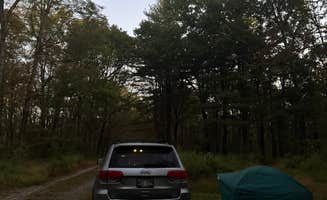
Small-scale camping: The limited parking and narrow access roads create a naturally controlled environment with few fellow campers. "The parking lot only holds about 4-5 cars, 6 if you park real tight," explains one visitor to Hemlock Ridge, ensuring relatively uncrowded conditions even on weekends.
Quick access to necessities: While providing backcountry experiences, some sites remain conveniently close to civilization. Tim M. appreciates that Taconic Hereford is "easy to find and access, and had decent ATT service." This balance of seclusion with accessibility appeals particularly to weekend campers with limited time.
Cost-effective overnight options: Dispersed camping areas provide free alternatives to developed campgrounds. When comparing to nearby paid campgrounds that charge fees, the free dispersed areas become attractive budget options for those comfortable with primitive camping conditions and Leave No Trace practices.
What you should know
Parking limitations: Vehicle accommodation at dispersed camping areas near Katonah is extremely restricted. "There's only a few spots, and the road is narrow with not much turnaround room, I wouldn't recommend for trailers or RVs," cautions Tim M. about Floyd Bennett Field. Arrive early, especially on summer weekends.
Bug preparation: Insect activity can be significant in these wooded areas, particularly in late spring through summer. Pack appropriate repellent and protective clothing. One camper warns bluntly that at Hemlock Ridge, "Bugs are relentless."
Campsite selection: Finding suitable terrain requires some exploration. "Hiking in and finding a suitable place to make camp has the feeling of the wild," explains a visitor to Taconic Hereford. Remember to maintain the required 150-foot distance from trails when establishing camp.
Tips for camping with families
Safety communications: Cell service varies significantly between locations. "Hiking in and finding a suitable place to make camp has the feeling of the wild, with the safety of having full cell service," notes a camper about Taconic Hereford. Always communicate your plans: "Always let someone know where you are headed and when you plan to return."
Site selection for children: When camping with youngsters, carefully scout for level ground with minimal roots and rocks. Since no designated sites exist, you must identify suitable terrain. "You can set up your own camp anywhere," explains Dawn M., allowing families to find spaces that work best for their needs.
Educational opportunities: The forested setting offers natural learning experiences about ecosystems and wildlife. Pack field guides to identify local plants and animals. Consider binoculars for wildlife observation along the trail systems that connect through these multiple use areas.
Tips from RVers
Alternative options: The dispersed camping areas near Katonah are generally unsuitable for recreational vehicles of any size. "I wouldn't recommend for trailers or RVs," advises one camper clearly. RVers should consider developed campgrounds in the broader Hudson Valley region that offer appropriate hookups and access roads.
Day-use only: RV owners staying at established campgrounds can still enjoy these dispersed areas for day hikes. The trail systems remain accessible for exploration without attempting to navigate the narrow access roads with larger vehicles.




 Scout
Scout


