Tent campsites near Medway, Massachusetts range from woodland settings to coastal experiences with varied terrain. The region sits within the northeastern hardwood forest ecosystem, with camping elevations typically between 200-500 feet above sea level. Summer temperatures average 75-85°F during peak camping months, while spring and fall bring cooler conditions with overnight temperatures sometimes dropping below 50°F.
What to do
Explore island trails: At Boston Harbor Islands State Park Campground, campers can discover historic sites and natural areas. "While you're out on the islands, take time to explore one of the others…look for sea glass on Spectacle Island and climb the hill for a view of the Boston skyline, explore the old forts and visitors centers," notes Jean C. The islands also offer seasonal foraging opportunities: "In mid-August we collected handfuls of blackberries as we explored Peddocks."
Visit nearby beaches: Most camping areas are within driving distance of coastal recreation spots. "The campground is close enough to stores if you need more. Very close to a nice beach too," explains Lajaun C. from Cape Ann Camp Site. Massachusetts shoreline beaches offer swimming from June through September when water temperatures are most comfortable.
Fishing opportunities: Ponds and reservoirs near camping areas provide freshwater fishing. At Buck Hill Campground, "The area is heavily wooded without much else around... The water is clean and fine for swimming with a few areas that make for easy entry into the water. This is the type of campground to just come and unwind, fish, cook," according to Greg R.
What campers like
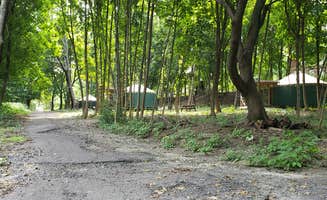
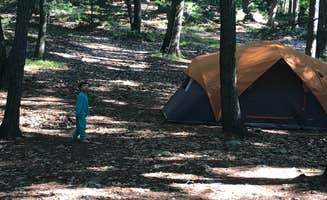
Secluded woodland sites: Cape Ann Camp Site receives consistent praise for its natural setting. "We had a nice perfectly level site in a beautiful wooded area," says Cristina P. Another camper, John S., confirms the spacious layout: "Very nice folks, great sites with A LOT of space between them. Spectacular views and wild turkeys, deer, etc."
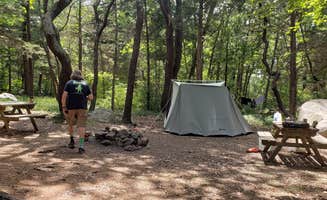
Waterfront camping: Several campgrounds offer water access. As Dan from Cape Ann mentions, "We had a great time camping and going to the beach. The camp ground is full of beautiful boulders and fire pits." Many campers appreciate the combination of woodland camping with water recreation nearby.
Historic exploration: The region's campgrounds often connect to historical sites. At Federated Womens Club State Forest, campers can find "cellar holes throughout, remnants of the towns lost in the 30s to create the reservoir," according to Jean C. The area around Quabbin Reservoir offers hiking with historical context not found at typical campsites.
What you should know
Reservation requirements: Most campgrounds in the area fill quickly during summer months. For Boston Harbor Islands, planning is essential: "Reservations open 6 months in advance and sites fill quickly, so plan ahead if you're counting on a particular day," warns Jean C.
Facility limitations: Primitive camping sites often have minimal amenities. At Buck Hill Campground, "The area is heavily wooded without much else around and very few amenities... There are a few rough restrooms and some porta-potties," explains Greg R. Many campgrounds have seasonal operations, typically closing by mid-October.
Transportation logistics: Island camping requires additional planning. "Getting to the island was a bit of a hassle. We live in Boston and took all of our gear on the T to the harbor by the aquarium. We then took the ferry to Georges Island. After that we waited and got on a much smaller island to Lovells," describes Jess G. about Boston Harbor Islands camping.
Tips for camping with families
Choose accessible terrain: Camp Nihan Education Center provides an ideal introduction to camping for children. "We went camping here with our SpiralScout Circle, kids aged 4-8. The group site is super close to parking and yet the terrain is rugged enough that it always felt like we were really in the woods," reports Michael V. The camp's layout balances wilderness experience with practical considerations.
Look for educational opportunities: Camping areas with nature programs enhance family experiences. "The camp is also adjacent to Breakheart Reservation, which had a great shallow pond with life guard on duty as well as bike trails and a range of different hikes," adds Michael V. about Camp Nihan. Many tent camping areas near Medway offer junior ranger programs or guided nature walks.
Pack for variable weather: New England weather can change rapidly, even in summer. Temperatures can drop significantly at night, especially at sites near water. Della S. recommends Cape Ann for families because it's "clean and quiet with beautiful tent sites," but proper preparation for changing conditions remains important.
Tips from RVers
Water and electrical access: Some campgrounds near Medway offer partial hookups for small RVs while maintaining a tent camping atmosphere. "They have water, sewer, and electric hookups. No wifi," notes Lajaun C. about Cape Ann Camp Site. Most sites accommodate smaller rigs under 30 feet, with limited availability for larger vehicles.
Site leveling considerations: Many camping areas have natural, uneven terrain. "We paid $60 a night for a 30 amp spot with water," mentions Ben E., emphasizing the importance of checking site specifications before arrival. Bringing leveling blocks is recommended as most tent-oriented campgrounds don't have concrete pads.
Seasonal availability: Most campgrounds in the Medway region operate seasonally. Cape Ann's season runs "May 15 - Oct 15," making it important to confirm opening dates when planning trips in spring or fall. Off-season camping options are limited, with most facilities closing completely during winter months.






 Legend


