Tent camping at Chesapeake & Ohio Canal National Historical Park provides primitive to basic accommodations along the historic 184.5-mile towpath that stretches from Georgetown to Cumberland. Most sites sit at elevations between 250 and 600 feet, creating river valley camping conditions with high humidity during summer months. Train noise affects many camping areas as railroad tracks parallel sections of the canal route, particularly at night.
What to do
Tubing opportunities: Access the Potomac River from Antietam Creek Campground for water recreation. "Small campground with a pit toilet right on the Potomac river picnic table and fire ring with a few nice trees throughout the camp area. Easy to get to and not far from the towns," notes Kevin D. in his Antietam Creek review.
Historical exploration: Visit Antietam National Battlefield, located 6.8 miles from camping areas near Shepherdstown. A visitor mentioned, "It depends on what you're looking for—easy camping and proximity to Antietam and Harper's? Golden. Especially if you want to camp but also do site seeing and/or paddling in the area."
Rock climbing: Scale single-pitch routes at Annapolis Rock Campground. "The best part is the Annapolis Rock cliffs. they offer beautiful views and all kinds of single pitch rock climbing! There are also two bear poles," according to Cory D.'s review.
What campers like
Train watching: Many campsites offer views of passing trains, providing unexpected entertainment. A visitor at Horseshoe Bend notes, "Small campsite but no one else was there, so it was perfect. There is a porta potty, water pump, and picnic table. Wonderful spot on the river."
River access: Direct water access at Jordan Junction Hiker-biker Overnight Campsite lets campers cool off. "Want to rinse off? Jump into the Potomac for a swim," suggests ant S. in his review.
Elevation views: Higher sites provide lookout opportunities. Emerson K. describes Opequon Junction as a "Gorgeous spot just off the trail and 50 meters from the Potomac."
What you should know
Equipment hauling challenges: Many sites require carrying gear significant distances from parking areas. Nick C. mentions in his review, "Nice place to camp for a night or two next to the river. There aren't many sites and no 'park' or ranger station. You have to park on the road and walk about 75 feet to your site."
Bathroom maintenance issues: Restroom facilities at many sites receive minimal servicing during peak season. "The one thing we had to complain about were the bathrooms. When we got there, they were okay, but by the 3rd night they were really gross. We were at the site next to them and could smell them."
Cell service limitations: Dahlgren Backpacker Campground and other sites have spotty coverage. "I only stopped here for a night while I was hiking the AT, but it was a welcome relief to get to a spot where I could wash off and have indoor plumbing for a night," reports Sam M.
Tips for camping with families
Safety measures: Monitor children near water access points as riverbanks can be steep and slippery. Michelle N. reports, "I stayed at Site 11 which had its own path down to the Potomac River. It was quite steep for my bum knees and ankles, but I saw kids easily run up and down it."
Noise considerations: Choose sites away from restroom facilities to avoid odors and traffic. "We were at the site next to them and could smell them. Not pleasant. Also you have to park on the road and carry all your stuff across a bridge and down the path to your site."
Wildlife awareness: Watch for snakes at Smith Ridge Harper's Ferry and Annapolis Rock areas. A camper warns, "be careful for the copperheads that come warm up on the rocky overlook."
Tips from RVers
Alternative options: Most C&O Canal sites accommodate tents only, but nearby private campgrounds offer RV amenities. Stoney Creek Campground provides "two large sites can accommodate up to 40 people each with plenty of parking," according to Andrey D.
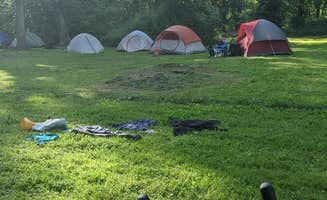
Access roads: Many approach roads to canal camping areas have low clearance or weight restrictions making RV access difficult. "It's a bit different than most AT stops, as there are no real sites, just a large grassy area to pitch tents."
Equipment staging: Use public parking areas at locks and historical sites for temporary parking while scouting tent sites. "You have to park on the road and walk about 75 feet to your site. Not much traffic on that road and a trail with many cyclists and runners."









 Legend


