Tent camping near Burkittsville, Maryland concentrates primarily in the Piedmont-Appalachian transition zone at elevations between 400-1,700 feet. Seasonal precipitation makes spring camping muddy while fall brings brisk temperatures often dropping to the 40s at night. Weather patterns can change quickly in this region, with sudden thunderstorms common during summer months and occasional early-season snowfall in October.
What to do
Historical hiking: Access the Appalachian Trail via Washington Monument State Park Campground, which serves as a gateway to hiking sections with Civil War significance and the first monument dedicated to George Washington.
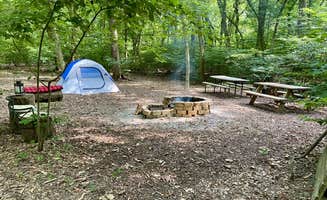
River activities: Cool off in the Potomac River at Jordan Junction Hiker-biker Overnight Campsite, where one camper noted, "Want to rinse off? Jump into the Potomac for a swim." The site offers basic amenities including water, porta-potty, and fire pit.
Rock climbing: Test your skills at single-pitch rock climbing at Annapolis Rock, where elevation reaches 1,700 feet. The campsites are positioned about 1/5 mile before the overlook, requiring a moderate 2+ mile hike from Route 40.
What campers like
Trail proximity: Opequon Junction Hiker-biker Overnight Campsite provides immediate trail access with natural beauty. According to one visitor: "Gorgeous spot just off the trail and 50 meters from the Potomac."
Water features: Multiple campers praise the river sites along the canal. At Horseshoe Bend Hiker-biker Overnight Campsite, a reviewer mentioned, "There is a porta potty, water pump, and picnic table. Wonderful spot on the river."
Backpacking resources: AT through-hikers appreciate the facilities at Dahlgren Backpacker Campground. One hiker reported, "It was a welcome relief to get to a spot where I could wash off and have indoor plumbing for a night...As far as campgrounds on the AT go, this is one of the nicer ones."
What you should know
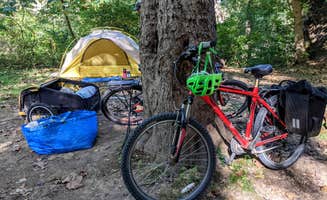
Gear logistics: At Antietam Creek Campground, equipment transport requires planning. A camper explained, "It's also a weird setup with respect to parking—as you have to park on the opposite side of the canal and walk to your campsite. If you got one close to the bridge over the canal then you're 100ft from the car, but if not then it could be a little bit of a walk."
Restoration limitations: Many AT camping areas restrict fires due to ongoing restoration efforts. At Annapolis Rock Campground, a visitor noted, "The view is great but you can't have a campfire due to restorations."
Wildlife awareness: Venomous snakes inhabit rocky areas. One camper warned, "Be careful for the copperheads that come warm up on the rocky overlook."
Limited facilities: Most sites lack trash collection. A camper at Antietam Creek observed, "There is nowhere to leave trash, so be sure to follow Leave No Trace principles and pack everything out with you."
Tips for camping with families
Privacy considerations: Many sites lack seclusion. A camper at Antietam Creek mentioned, "All the sites are very open and run along the multi-use trail. People are constantly walking, running, and biking by. It is nice if you're a social camper."
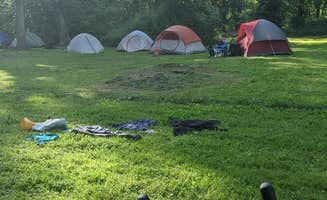
Location strategy: For families seeking more privacy, consider Mulehalla where "sites are spaced far apart" and the property offers "tons of open spaces for tents."
Water safety: Swimming access points have varying safety levels. When camping near the Potomac, supervise children closely as currents can be deceptively strong, especially after rainfall.
Noise factors: Train activity affects certain campsites along the C&O Canal. Position tents farther from tracks when possible or bring white noise machines for light sleepers.
Tips from RVers
Vehicle limitations: Most camping near Burkittsville restricts vehicle access. RVs and camper vans must stay at designated campgrounds, as primitive sites typically require walking gear in from parking areas.
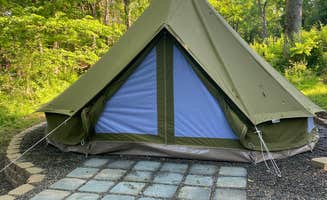
Alternative accommodations: Consider cabin rentals for RV travelers seeking comfort without hauling gear. Smith Ridge Harper's Ferry offers cabin options within driving distance of Burkittsville's hiking trails.
Day-use strategy: RVers staying at larger campgrounds outside the immediate area can access trailheads for day hikes, then return to full-hookup sites elsewhere in the region.











 Legend


