



Debbie K. Traveler
TravelerJonesport Campground
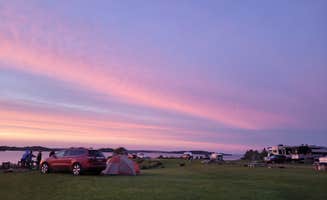
Beautiful views
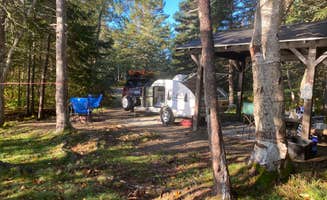
Amazing views. The camp hosts are salt of the earth. Unfortunately there are some changes coming. They are loosing 10 campsites next season.
42 campgrounds · Check availability for any dates.
The eastern coast of Maine near Whiting features several campgrounds along Cobscook Bay, offering dramatic tidal views and maritime forest settings. Cobscook Bay State Park Campground provides over 100 sites for tent and RV camping with many waterfront locations. The surrounding area includes primitive options at Cutler Coast Public Land and more developed facilities at Sunset Point RV Park in nearby Lubec. Several campgrounds accommodate cabin camping, including Seaview Campground in Eastport which offers cabins alongside tent and RV sites approximately 20 miles from Whiting.
Camping in this region requires preparation for significant tidal changes, with some areas experiencing 20-foot tidal shifts. The camping season typically runs from May through mid-October, though some sites remain open year-round. Many campgrounds feature walk-in tent sites that require short hikes from parking areas to reach secluded spots. Reservations are recommended for developed campgrounds, particularly for waterfront sites which fill quickly during summer months. Cell service varies throughout the area, with better coverage near towns like Lubec and Eastport. A visitor noted that "the tides are extreme — take care," highlighting the importance of understanding local conditions when planning activities.
Waterfront camping dominates the area's appeal, with numerous sites offering views of Cobscook Bay and the Atlantic Ocean. Many campsites feature direct water access, making the region popular for kayaking and wildlife observation, particularly seals and marine birds. The densely wooded environment provides privacy between sites at most campgrounds, though layout and spacing vary significantly. Black flies and mosquitoes can be prevalent in late spring and summer, prompting many reviewers to recommend insect repellent and screen rooms. A camper described Cobscook Bay State Park as "one of the best campgrounds we've been to in America, beautiful views, close to amazing hiking," reflecting the general satisfaction with the natural setting and recreational opportunities. Most developed campgrounds provide basic amenities including fire pits, picnic tables and access to restrooms, while dispersed sites offer more primitive experiences.
"One of the best campgrounds we’ve been to in America, beautiful views, close to amazing hiking (highly recommend bold coast trail)."
"Our site had a short walk in but was totally worth it to be right on the Whiting Bay. Our site was one of the few with a beach at high tide. There is lots of hiking in the area."
from $20 / night
Check Availability"The tent sites are great — right on the water’s edge — and much more spacious and private than the hookup sites."
"The location is directly on Johnson Bay which is beautiful to see. It's in a remote part of Maine but there is a chocolatier across the street, a grocery store just north (IGA I think it might be)."
from $35 - $40 / night
Check Availability"The coast of Maine offers very few places for overnight backpacking or even just seaside hiking. The Cutler Coast Public Reserved Land is one great option."
"This is probably the most beautiful coastal location in the state of Maine. The campsites are very limited and this is a popular spot. Show up early to get one!"
"Location is good and if the border wasn't closed it would be closer to even more sights to see! The owners are nice and very responsive."
"There is a wide grassy area across from the sites and right on the waters edge. Picnic tables and fire pits."
"Gravel lot about half a mile down the main road going east and it’s a turn off on your left. There’s a public parking sign and doesn’t say anything about no overnight parking."
"The area serves as a hub for day hikes and offers five oceanfront walk-in campsites. Most vehicles in the lot belong to hikers and campers."
"This primitive campground is part of the Cobscook Shores Land Trust which operates 15 parks and preserves in the eastern portion of Maine near the town of Lubec."
"Pretty quiet and right near the border if you are looking for a stop before/after crossing."
"This spot is situated right along the Maine coast and has one heck of a view, not to mention a nice gravel beach!"
"This is one of 5 available campsites along the Cutler Coast Bold Coast hiking trail. Situated on top of a little knoll overlooking the Bay of Fundy, this is a lovely gem."
"We approached the area via the Inland Trail, about a 5.5 mile hike from the trial head(trail signs are inaccurate, they don't account for the recent re-route)."
"After turning off the highway you take a dirt road for about a mile until you see a sign for the campsites."
"Picked this location because it was close to several locations we could take day trips to the coast. Visited Bar Harbor, Eastport and several places in between."





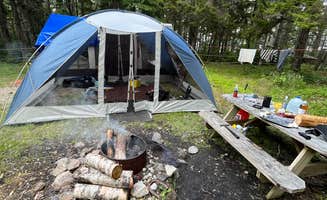

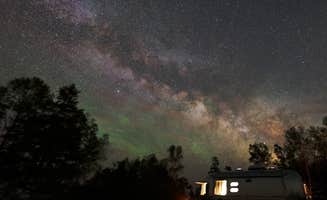
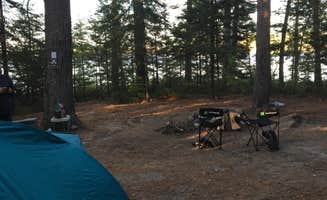
 Traveler
Amazing views. The camp hosts are salt of the earth. Unfortunately there are some changes coming. They are loosing 10 campsites next season.
TravelerWe stayed one night. Standard Maine camp - neighbors 20’ away on three sides.
Price is $25-$70.
This is a good spot if you’re visiting Jonesport or Cherryfield.
Staff is very friendly.
 Guide
GuideWe were in Maine to explore Acadia National Park but did not want to stay in the center of Acadia. Our original plan was to stay just a couple of nights but loved this site so much we stayed an extra night.
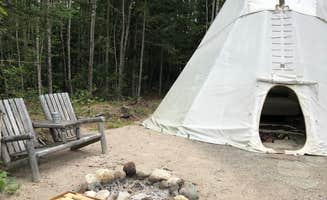
This site was easy to get to, although GPS will tell you to park and walk which is not true, you can park at site. We stayed at the first site which also offered a hikers hut, came in handy during a little rain. The fire ring and vault toilet was the best we’ve had at any disbursed site; the vault toilet was surprisingly very clean and lacked the normal odor. It is apparent this area is well cared for. We also enjoyed a day of playing on the rocks in the River.
The only negatives were road noise and mosquitoes; the mosquitoes were not fazed by our Off or our candles.
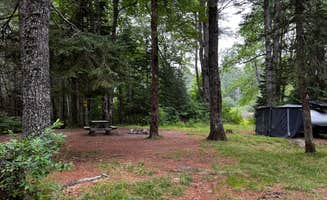
There were about six campsites with two that seemed to be long term stayers, the other sites had visitors for just a night.
If in Maine again, this will be a repeat stay for us. We would have given it a 4 1/2 star if we could do 1/2. Also, we had full cell service thru Verizon.
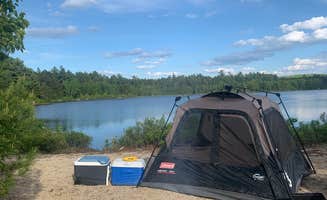
GuideTwo nights at site #59 - one of four walk-in tent sites on the peninsula - all with gorgeous views of the bay. A bit of a walk, but carts are provided so not a big deal even if you have a lot of stuff. There were no other campers while we were there which was quite amazing (it was early in the season), but each site had plenty of space so privacy wouldn't have been an issue even if it had been full. Showers/bathrooms/wash station is kind of far from where we stayed so we drove over, but everything is super clean, brand new, and exceptionally well thought out. The staff was very helpful - you can even dig for clams right at your site if you want - rakes and containers are available to borrow with a small deposit (you might want boots and gloves if you decide to do that). The whole area is beautiful, with tons of hikes and areas to explore.
GuideThis is a campground, not a resort. It offers RV parking with water and electric. They do provide RV pump-out service, or you can use the dump station. There are showers, washers and dryers and WiFI.
The location is directly on Johnson Bay which is beautiful to see. It's in a remote part of Maine but there is a chocolatier across the street, a grocery store just north (IGA I think it might be). Close to many state parks and scenic light houses.
Chose your camp site carefully if you expect great views from your RV windows because it's possible a big rig will park in the next lot and that's all you will see (or just leave the RV and take a walk).
Camp store is very small and offers a few basics and some tourist items from the local area
 Legend
A great realatively new campground opened in Big Lake Township, Maine near the town of Grand Lake Stream. This area is legendary for their superb fishing and hunting and was a favorite of outdoor enthusiasts like Theodore Roosevelt. The campground is suitable for any size RV, has full-hookups, very well kept, direct lake access, and the owners are extremely friendly and helpful. The campground was built in a farm field so there are no shade trees. There are back-ins and pull thru sites, the latter of which are very long and can accommodate RVs towing cars or large trailers. The roads are gravel and easily navigable for large RVs. There are no signs along the road leading to the campground, but Google Maps directed us to the right place. Most sites are level– we found a couple of pull thrus that would be a challenge for us to get level. All campsite pads are gravel and the patios are nice thick grass with picnic tables and fire pits. Hookups are well-placed and worked well. The bathrooms are new and extremely clean and were tended to daily. Bathrooms are private and have a toilet, shower, and sink in each one.
There is a nice store and check-in facility conveniently located in the campground. Access to Big Lake is a short (1/4 mile) walk from the campground down a mowed path. There is also a public launch a short distance away that would accommodate trailerable boats. The campground is fairly remote with the closest “big” town of Calais about twenty-five minutes away. The town of Grand Lake Stream is much smaller with a restaurant/general store. There are nice hiking trails nearby and we loved paddling the Musquash Stream which is full of bird life and lots of beaver lodges. We highly recommend the Big Lake RV Park and Campground and would definitely go back!
 Guide
GuideGravel lot about half a mile down the main road going east and it’s a turn off on your left. There’s a public parking sign and doesn’t say anything about no overnight parking. I stayed two nights over the weekend with no one bothering me. You occasionally hear the traffic go by but don’t see the road from the gravel lot. No amenities but at the trailhead lot there is an outhouse if needed. The lot is large enough for bigger campers with enough space to turn around in if needed. Plenty of sightseeing in the area but stores or fuel are about 20-30 minutes away. Overall, a nice spot away from everything and near the Canadian border if looking to cross somewhere no busy.
 Scout
ScoutSuper quiet and remote. We just drove in, found a spot and enjoyed. The creek is so close to the sites!
 Guide
GuideThere are about 5 spots. Some are rough and not super flat, but it's pretty and the river is right there. You can hear the highway but it's not too bad. Only real negative for me was nowhere to really walk my dogs, nothing even close to a trail nearby. Just the highway.
Dispersed camping opportunities around Whiting, Maine include several primitive sites along the Cutler Coast Public Land trail system. These backcountry sites require hikers to pack in all supplies and pack out all waste. Most sites fill on a first-come basis during the summer months, with water sources becoming scarce in dry periods. The coastal camping area experiences temperature fluctuations between 45-75°F during the typical camping season.
Kayaking at high tide: Launch from Cobscook Bay State Park Campground where the park provides a designated boat launch area. A camper noted, "You can launch a kayak from your campsite, or from the large dock/boat launch area in the park. Kayaking should be done with prior research to ensure familiarity with the tide changes (which are up to 20 ft) and currents, which are strong and dangerous in certain areas of Cobscook Bay."
Beach exploration: Huckins Beach and Trail offers an expansive gravel beach that transforms with the tides. One reviewer mentioned, "The preserve has an expansive gravel beach and hard pack sand when the tide goes out. Be mindful of the tides which are some of the highest in the country of nearly 20 feet."
Explore Canadian islands: From Lubec, visit nearby Campobello Island when border crossings are open. A visitor at Sunset Point RV Park advised, "Bring your passport and cross over to Campobello Island which was the summer home of Franklin and Eleanor Roosevelt and is now a museum open for tours. There is also lots of hiking and two lighthouses on Campobello."
Lighthouse tours: Visit West Quoddy Head Light, the easternmost lighthouse in the United States. A camper noted, "Nearby is Quoddy Head State Park which has some beautiful oceanfront hiking trails and a picturesque lighthouse."
Secluded waterfront sites: Cobscook Bay State Park provides privacy between campsites with water views. One visitor shared, "We stayed at 2 different sites - a waterfront site and non waterfront - and both were scenic and private. There is no water/electric/power at any site. There are water stations around the park, as well as a bath house and dump station."
Wildlife viewing: The area offers opportunities to see marine mammals, birds, and other wildlife. A camper at Seaview Campground remarked, "Unobstructed view of the bay. You can see whales swimming by. A single tree sits over the picnic bench."
Coastal trail camping: Cutler Coast Public Land provides primitive oceanside camping spots. A hiker noted, "A sought-after destination, this popular spot boasts gravel and dirt parking lots enveloped by trees yet strategically cleared for ample sunlight. The area serves as a hub for day hikes and offers five oceanfront walk-in campsites."
Stargazing opportunities: The limited light pollution creates excellent night sky viewing. A camper commented, "Such an awesome view of the night sky oh my gosh. I could stare at it forever. We could see the milky way."
Limited fresh water access: Many backcountry sites have seasonal water sources only. At Fair Head — Cutler Coast Ecological Reserve, a hiker reported, "There isn't much fresh water around either, so we hiked in enough for dinner and breakfast the following day."
Toilet facilities vary widely: From developed state park facilities to primitive backcountry setups. One camper described, "Sites also have very rudimentary privies but these are not pit toilets, far from it. They are quite pathetic and gross consisting of a toilet seat sitting on a wooden frame, caged in by hardware wire."
Limited cell service: Most areas outside towns have poor connectivity. Prepare navigation materials in advance.
Reservation requirements: Most established campgrounds require advance reservations during peak season. Walk-in sites at state parks can fill by early afternoon on summer weekends.
No campfires allowed: Many public land areas prohibit fires completely. A hiker noted, "While there was a make-shift fire ring, fires are NOT allowed in the public land reserve here."
Kid-friendly hiking: Choose shorter coastal trails with frequent ocean views. A visitor at Cobscook Bay State Park Campground noted, "There is a perfect little hike on the Cobscook Bay State Park property called the 'Nature Trail' that takes you along the water and into the woods. It's ideal for kids but still challenging in a couple areas as you make your way up to the gorgeous scenic overlook."
Playground access: Some campgrounds provide designated play areas. One parent mentioned, "There are also a few open areas for picnicking or just relaxing, as well as a play area for kids."
Wildlife watching kits: Pack binoculars and guidebooks for marine bird identification. A camper shared, "There is a lot of wildlife and waterlife - we saw many seals and cormorants in the water, as well as a few eagles."
Tide awareness: Always supervise children near shore. Tide shifts of 20+ feet occur rapidly and can isolate beachgoers on outcroppings.
Site selection for views: At many area campgrounds, forward-facing RVs get better water views. A reviewer at Sunset Point RV Park explained, "Most motorhomes (in sites 16-29) choose to pull-in forward so they have a water view out of their front window and run the utilities under their RV to hook-up."
Wind considerations: Coastal sites experience strong winds that can damage awnings. One RVer advised, "Warning: do not leave your awning out while you are away from your camper as the winds can really pick up in the afternoon and damage them."
Limited big rig access: Many campgrounds have size restrictions for larger vehicles. A visitor commented, "Very limited RV sites and very limited for over 20 feet."
Dump station availability: Long Point — Cutler Coast Ecological Reserve and other primitive areas have no services, so plan ahead for waste management during longer stays.
Frequently Asked Questions
What amenities are available at Whiting campgrounds?
Amenities vary widely across Whiting area campgrounds. West Bay Acadia RV Campground offers full hookups for RVs and is ideally situated for exploring Downeast Maine. Sunset Point RV Park provides electric/water hookups, a dump station, restrooms with showers, and laundry facilities ($1.50 per load), plus affordable firewood at $3/bundle. Many campgrounds in the area feature fire pits, picnic tables, and varying levels of privacy. More primitive options have basic amenities like pit toilets, while developed campgrounds might include shower facilities, though these are sometimes centrally located rather than dispersed throughout the campground.
Where can I find camping in Whiting?
Whiting, Maine offers several excellent camping options. Cobscook Bay State Park Campground is a standout choice with beautiful waterfront sites on Whiting Bay. For primitive tent camping, Huckins Beach and Trail offers five tent-only sites through the Cobscook Shores Land Trust. The area also has several dispersed camping options along the coast for those seeking a more remote experience. Most campgrounds in the region provide easy access to hiking trails and coastal activities while maintaining that quintessential Down East Maine experience.
When is the best time of year to go camping in Whiting?
The best time to camp in Whiting is late spring through early fall (May through September). Summer months provide warm days and cool nights ideal for exploring attractions like Cutler Coast Public Land with its spectacular hiking trails and coastal views. Fall brings stunning foliage and fewer crowds at popular spots like Acadia East Campground, which offers proximity to great hiking trails. Many campgrounds in the area close for winter due to harsh conditions, so always check seasonal availability. September is particularly nice with warm days, cool nights, diminished crowds, and minimal insects.
Keep Exploring