Camping options near Palatine, Illinois range across forested preserves and lakefront properties within the Chicago suburbs. Northern Illinois experiences moderate seasonal temperature changes with summer highs averaging 82°F and winter lows dipping to 17°F. Mosquitoes peak from June through September at suburban campgrounds, so packing proper repellents remains essential for comfortable outdoor experiences.
What to do
Kayaking on interconnected waterways: Chain O' Lakes State Park offers extensive boating opportunities with multiple access points. "There are 7 lakes connected by small tributaries this fit the bill... Rangers were helpful and delivered firewood to our site daily," notes a visitor at Adeline Jay-Geo Karis Illinois Beach State Park. The Fox River provides additional paddling routes with varying difficulty levels.
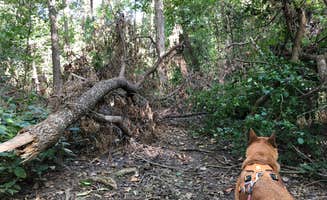
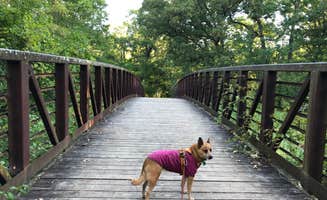
Hiking through forest preserves: Trail systems throughout the region showcase glacial landforms and seasonal wildlife. "Lots of biking and walking trails and plenty of off trail paths that lead to unique clearings, bridges, etc.," according to a Camp Reinberg visitor. Trails range from paved accessibility routes to more challenging dirt paths with elevation changes.
Archery and specialized activities: Some local preserves maintain dedicated recreational areas beyond standard camping. "Canoe rentals and free archery range," mentions a review from Blackwell Family Campground. These less common amenities provide alternative outdoor recreation when weather conditions limit water activities.
What campers like
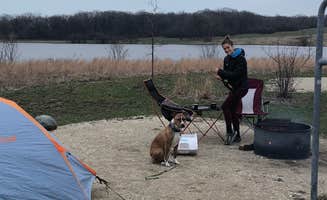
Spacious, level camping pads: Many campgrounds in the region feature well-maintained sites designed for tent comfort. At Turner Lake South, a camper noted, "All the campsites have raised firepits and a picnic table." Most sites include chip bark or crushed limestone pads to create flat sleeping surfaces.
Proximity to urban conveniences: Despite feeling remote, many preserves remain close to shopping and services. A camper at Blackwell Family Campground appreciated that "there is a nice shower facility. The grounds include a lake for boating, hiking trails, and bike paths." This balance between wilderness and accessibility appeals to weekend campers from Chicago suburbs.
Wildlife viewing opportunities: The preserves around Palatine host diverse animal populations visible from trails and campsites. At Chain O' Lakes, one visitor reported, "We've seen lots of butterflies, gold finches, hawks, deer, flocks of giant sandhill cranes, rabbits, ground squirrels, and of course actual squirrels." Dawn and dusk offer the best wildlife observation periods.
What you should know
Gate closure times: Security measures at forest preserve campgrounds include controlled access after hours. "There is a gate that is closed at 10PM every night and opened again in the morning," notes a camper from Camp Reinberg. Arriving before gate closure prevents needing to walk long distances to your site.
Limited water access at some sites: Water availability varies significantly between campgrounds. At Paul Wolff Campground, "There is no running water in the pit toilets. The staff has to hook up a very very long hose and will bring it to your site." Bringing water containers helps manage intermittent access.
Alcohol policies vary by preserve: County regulations determine whether alcohol consumption is permitted. "All Illinois State Parks are now enforcing a no alcohol policy even if you are on your own site," warns a camper, while other reviewers note some county preserves allow responsible consumption when contained in unmarked cups.
Tips for camping with families
Look for campgrounds with dedicated children's activities: Chicago Northwest KOA offers structured programming for younger visitors. "A little bit smaller of a campground with regards to site space, but that's about the only thing 'bad' to say. Plenty for the little kids to do," according to a recent review. Weekend events often include organized games and crafts.
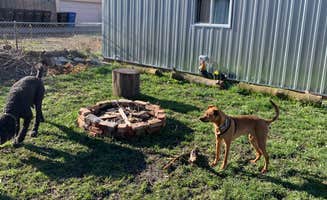
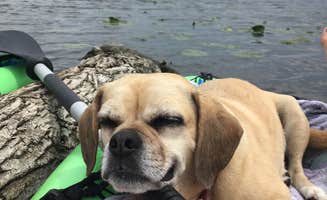
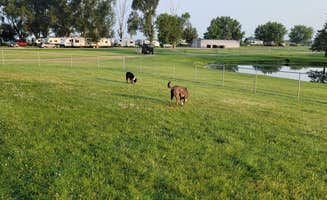
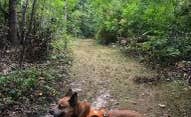
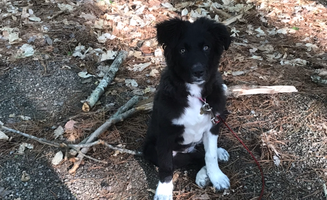
Consider pet-friendly options for family dogs: Multiple dog friendly campgrounds near Palatine welcome leashed pets throughout common areas. "Lots of people (including me) bring their leashed dogs. The other campers have been polite and friendly," reports a Paul Wolff Campground visitor. Trail systems often accommodate pets but require proper waste management.
Prepare for insects with kid-safe solutions: Bug populations intensify during summer months, particularly near water. "Mosquitoes can be problematic during summer months," mentions one review, while another warns, "The ticks at this location are no joke - they literally fall from trees." Family campers should bring child-appropriate repellent options and conduct regular tick checks.
Tips from RVers
Reserve electric sites well in advance: Popular RV campgrounds fill quickly during peak season. At Fish Lake Beach Camping Resort, "We stayed for 4 nights in June in a pull thru FHU. The mosquitos were pretty vicious... a couple of the regulars said it was the worst they'd been in years." Most sites require reservations 3-6 months ahead for weekend stays.
Check hookup locations before arrival: Site layouts sometimes position utilities at challenging distances. "Some spaces the box is further than 30 feet from the pad," cautions a Honeysuckle Hollow visitor. Bringing extension cords and water hose extenders prevents unpleasant surprises during setup.
Confirm accessibility for larger rigs: While many campgrounds accommodate substantial vehicles, site configurations vary. "Very easy in and out, for any sized rig," confirms a Paul Wolff Campground visitor. RVers with units exceeding 35 feet should verify turning radius and pad dimensions when making reservations.











 Guide
Guide


