The Okefenokee Swamp region near Fargo, Georgia encompasses over 438,000 acres of wetland ecosystem at approximately 120 feet above sea level. This unique blackwater environment maintains consistent water temperatures around 68°F year-round, creating a distinct microclimate. The surrounding camping areas provide access to one of the largest intact freshwater wetland systems in North America, with water levels varying seasonally based on rainfall patterns.
What to do
Guided boat tours: 2-hour excursions through the Okefenokee Swamp provide wildlife viewing opportunities. "Get there early rent a boat prices are reasonable we saw easily over 50 gators swimming and sun bathing all around us," notes Daniel S. from Stephen C. Foster State Park Campground.
Kayaking: 13-mile routes available for more experienced paddlers wanting to explore deeper into the swamp ecosystem. "We were able to brought our kayak and do kayaking for around 13 miles, beautiful views around," shares david M. about his family experience at Stephen C. Foster State Park.
Night sky observation: certified dark sky location offers exceptional stargazing without light pollution. A camper at Suwannee River Eco-Lodge notes, "Dark sky approved you can see all of the stars at night," while another adds, "Stars are amazing!" The absence of nearby towns creates optimal conditions for astronomical viewing.
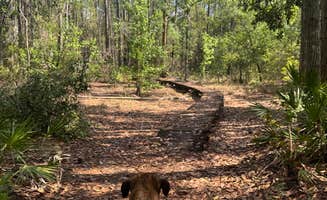
Hiking: elevated boardwalk trails allow safe exploration of swamp environments. "Hiking trails in the swamp" are mentioned by Seth P., who appreciated the opportunity to observe wildlife from secure pathways at Stephen C. Foster State Park.
What campers like
Secluded, quiet environment: minimal development contributes to the wilderness experience. A visitor to Griffis Fish Camp described it as "off the beaten path, a great place to rejuvenate," noting the "extremely low daily rates" make it accessible for extended stays.
Wildlife viewing: morning hours provide best opportunities for alligator sightings. "We saw lots of wildlife including, alligators, raccoon, deer, snakes, and an owl," reports Angela M., who stayed at Stephen C. Foster State Park, adding that "the park was great" despite some challenges with insects.
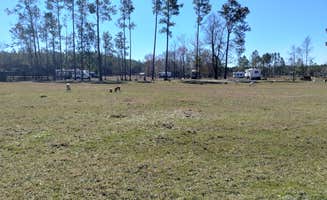
Spacious, well-separated sites: several campgrounds maintain good distance between camping areas. At West Tower Hunt Camp, "campsites are scattered with nicely cleared areas within bush palms" and "most spots were very well spaced out," allowing for privacy despite being in a public camping area.
Historical context: some locations feature preserved cultural elements. Della S. notes that Griffis Fish Camp "has also been around for a very long time" and contains "a good collection of history and a story" that adds dimension to the camping experience.
What you should know
Limited services: 20-mile distance to nearest supplies requires advance preparation. "Way out away from society. Do calculate the distance from main road to the park if you see low on gas as you have to come back out to it for closest station," advises Andrew S. about Stephen C. Foster State Park.
Cell service limitations: connectivity varies significantly between campgrounds. At 17 Mile Hunt Camp, visitors report "minimal, if any, cell service, so you will be disconnected pretty much," while others note "no Verizon cell service" at all.
Seasonal insect activity: varies by season and precipitation levels. "Only con is with it being around a lot of wetlands, the bugs were not fun," mentions Angela M. about her otherwise positive experience at Stephen C. Foster State Park.
Road conditions: some access roads require caution, especially after rain. At 17 Mile Hunt Camp, "the road is rough getting in" and visitors should check ground conditions as areas can be "very muddy, could get stuck" according to multiple reviews.
Tips for camping with families
Playground access: centrally located play areas at select campgrounds accommodate children. Andrew S. notes Stephen C. Foster has a "nice playground close to sites 11-15" making it "very family friendly" for those traveling with children.
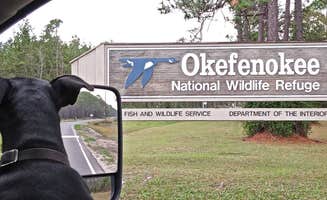
Educational opportunities: ranger programs offer structured learning about swamp ecosystems. At Okefenokee Pastimes Cabins and Campground, the proximity to the wildlife refuge means "easy access to the facilities at the refuge" where educational programs are regularly scheduled.
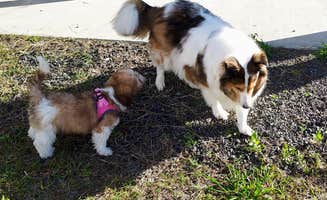
Pet requirements: vaccination documentation necessary for dog-friendly facilities. "Make sure to be a responsible pet parent and bring your dog's vaccine paperwork!" advises Danna D. about Okefenokee Pastimes, which maintains a designated dog park area.
Water safety protocols: supervised activities recommended near waterways due to wildlife. "Get ready for some gators!" warns Chad P., who visited Stephen C. Foster State Park with family, emphasizing the importance of monitoring children around water areas where alligators are present.
Tips from RVers
Site selection: spots 11-15 at Stephen C. Foster State Park offer more privacy and shade. Andrew S. specifically notes "Site 11-15 get more privacy" and describes "very narrow roads through most of campgrounds" that "can be tricky if backing in bigger rig."
Full hookup options: varying levels of service available across area campgrounds. At Suwannee River State Park Campground, visitors appreciate the "clean, very nice facilities" with "full hookups" that accommodate larger recreational vehicles.
Ground assessment: prior inspection recommended for dispersed camping with RVs. At 17 Mile Hunt Camp, RVers should "check the ground before you park" as conditions can be "very muddy, could get stuck" depending on recent rainfall.
Supply planning: comprehensive provisioning necessary due to remote location. "Closest gas station is about 20 miles from park," notes Lindsey H., emphasizing the importance of arriving with all necessary supplies when staying at Stephen C. Foster State Park.












 Traveler


