Apalachicola National Forest's primitive camping options extend across 632,890 acres of pine flatwoods and cypress swamps. Tent campsites near Apalachicola National Forest typically cost $3-10 per night, with most sites accommodating up to six people per site. The forest experiences hot, humid summers with frequent afternoon thunderstorms and mild winters with nighttime temperatures occasionally dropping below freezing.
What to do
Paddling opportunities: Multiple campsites offer water access for kayaking and canoeing. At Cotton Landing, visitors can launch directly into the creek system. "Loved my stay at this location. Trash needed to be emptied and ticks are definitely out at this campsite but only in the woods," reports Katlyn A. from Cotton Landing.
Fishing access: Several forest campgrounds provide boat ramps for anglers. "Small campground in National Forest. 10 sites. Very quiet. We felt very safe. Pulled in around 3:00 on a Saturday afternoon. Only 3 other sites were being used," notes a visitor at Camp Mack.
Wildlife observation: The forest hosts diverse bird species, reptiles and amphibians. Campers regularly spot wildlife from their sites. "There is a boat launch. River runs along the border of the camp," mentions Jacob F. when describing Camp Mack's wildlife viewing potential.
What campers like
Budget-friendly options: Most forest campgrounds charge minimal fees. "Only seven camp sites all of them next to one another," observes Jacob F. about Camp Mack, while another camper notes that with the America The Beautiful lifetime pass, they paid just $8.50 per night instead of the regular $10 fee.
Natural water sources: Several campsites offer access to fresh water, though treatment is recommended. "This site also has an everflowing water supply that has been there for decades. It's sulfer water but it's clean and cold," shares Jacob A. from White Oak Landing Campground.
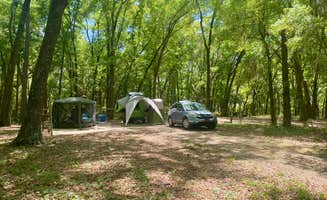
Privacy at most sites: Many forest campsites provide considerable space between camping areas. "This camp ground is very secluded and the sites are fairly private," reports Dawna J. about Hickory Landing Campground.
What you should know
Limited amenities: Most sites have minimal facilities. "Non-potable water spigot. There's a nice little boat ramp on the river," explains John P. about Whitehead Landing NF Campground.
Insects and wildlife: Ticks and mosquitoes are common, especially in warmer months. "Get fire wood along the dirt road on your way in to avoid the ticks and sticker bushes," advises Katlyn A. about Cotton Landing.
Hunting seasons: Several campgrounds serve as hunt camps during deer season. "It seems to be a big hunting area," mentions one camper at Camp Mack, indicating increased activity during hunting seasons.
Image accuracy concerns: Some campsite listings may have outdated or incorrect photos. "The photos for the camp site are nothing like how it is. Very misleading," warns Kelly H. about Harpers Hunt Camp.
Tips for camping with families
Choose campgrounds with restroom facilities: White Oak Landing offers vault toilets and picnic tables. "It has open areas for more room to spread out, picnic tables and restrooms," notes Jacob A.
Consider campground layout: Some sites offer more space for children to play safely. "This site is just off hwy 65. It has open areas for more room to spread out," recommends a camper at White Oak Landing Campground.
Bring all necessary supplies: Most forest campgrounds have no stores nearby. "Decent Verizon signal, no T-Mobile," reports John P. about Whitehead Landing, suggesting limited connectivity for last-minute supply runs.
Tips from RVers
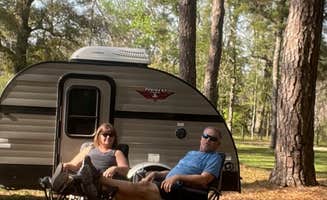
Size restrictions: Most forest campgrounds cannot accommodate large rigs. "Spacious and quiet camping area," notes Zack W. about Whitehead Landing, though the site is primarily suited for smaller RVs or tent camping.
Access roads: Forest roads can be unpaved and challenging after rain. "Small campground in National Forest," mentions a Camp Mack visitor, indicating the limited space and access considerations.
Camping etiquette: Proper waste disposal is essential. "Only downside is that most of the fire rings seem to double as garbage cans by other campers as they are leaving, despite the nearby receptacles," reports a camper at Vilas Campsite.




 Ranger


