Dispersed camping opportunities surround Pagosa Springs in the San Juan National Forest at elevations ranging from 7,000 to 9,000 feet. Nighttime temperatures can drop significantly even in summer, often falling into the 40s during July and August. The region's free camping areas typically sit on former logging roads with variable terrain requiring careful site selection.
What to do
Fishing access points: Pass Creek Road Dispersed Camping provides excellent proximity to fishing opportunities. "Excellent access to nearby ponds," notes one camper, while mentioning the road is "smooth, right off of HWY 160" making it accessible for most vehicles.
Hot springs visits: Turkey Creek Road serves as an ideal base for day trips. A visitor explains, "We stayed from Thursday to Tuesday in the big camping spot. It was plenty big for 2 cars, 2 tents, and a common area... It was a perfect base camp to spend time at the hot springs in Pagosa Springs."
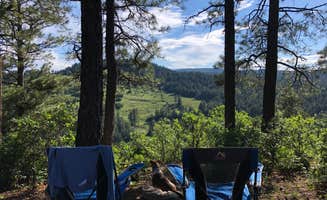
Fall foliage viewing: The autumn colors peak in late September through mid-October. "View is killer - we hit it at about peak color," reports one Turkey Creek Road camper who experienced the spectacular seasonal display during their stay.
What campers like
Relative solitude: Despite proximity to town, many sites offer peaceful settings. A camper at Forest Road 37 reported, "It was mostly quiet. The cows come by once in awhile to say hi. Easy to get to."
Spacious campsites: Most dispersed areas provide ample room between sites. At Lower Piedra River Camp, a visitor noted, "There was plenty of camping areas along the river. About 8 spots. Some were large enough to handle RVs."
Cell connectivity: While spotty, some sites maintain usable connections. A Forest Road 37 camper confirmed, "T-mobile works from here," while another at Pass Creek Road mentioned, "Excellent T-mobile service. 5G closer to 160, very strong LTE throughout."
What you should know
Wildlife encounters: Local cattle freely roam many camping areas. A Turkey Creek Road camper observed, "Kind of cool until they started mooing incessantly at 6am," highlighting the authentic but sometimes disruptive ranch country experience.
Variable road conditions: Access routes range from well-maintained to challenging. At Kenny Flats Dispersed Camping, a visitor warned, "The road has deep ruts but was manageable in my little van, just had to take it slow."
Weekend traffic patterns: ATV use increases dramatically on weekends. A Pass Creek Road camper advised, "Heavy ATV use on weekends, but we left on Saturday morning," suggesting midweek stays for those seeking quiet.
Tips for camping with families
Bug preparation: Insect protection is essential in wooded sites. At Stunner Campground, one family reported, "There were tons of bugs that did not give a darn about our multiple citronella candles or campfire smoke," suggesting stronger repellents for summer visits.
Stargazing opportunities: Clear mountain skies offer exceptional night viewing. A Stunner Campground visitor shared, "Were there during the Perseids meteor shower and the clear dark sky was perfect for viewing," noting the benefit of having children walk "up on the hill on the way in the park for a nice view."
Site selection for tent pads: Finding flat terrain requires scouting. Turkey Creek Road campers repeatedly mention sloped ground, with one noting their site "had a pull through driveway of sorts with enough room by the fire pit for a tent or 2."
Tips from RVers
Site size limitations: Most dispersed sites accommodate smaller RVs only. A visitor at Lower Piedra River Camp observed that while "some were large enough to handle RVs," others "might require four-wheel drive" to access.
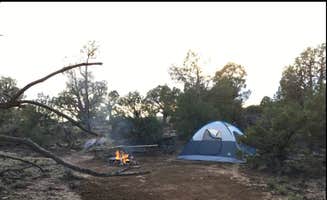
Fire restrictions: Rules change seasonally and require advance checking. One camper at Turkey Creek Road mentioned, "We grabbed a spot with a fire pit even though no fires are allowed right now," highlighting the importance of verifying current regulations.
Leveling challenges: Come prepared with leveling blocks. A reviewer from Turkey Creek Road mentioned, "Not PERFECTLY flat for the tent-folk," a concern that affects RV campers even more significantly when attempting to stabilize larger vehicles on mountain terrain.






 Guide
Guide


