Dispersed camping near San Bernardino National Forest offers sites spanning elevations from 6,000 to 11,500 feet with varied terrain. Weather conditions change dramatically with elevation and season, with summer temperatures ranging from 70-90°F at lower elevations to 50-70°F at higher elevations. Sites like East Flats and Mill Creek provide free alternatives to developed campgrounds with unique considerations for each location.
What to do
Explore waterfall areas: Near Vivian Creek Camp, hikers can discover a small waterfall south of the campground. One camper notes, "If you hike down to the creek and head South, that is where you will find the end of the waterfall. Becaful here though for I have seen a rattle snake not to far from the camp!"
Watch wildlife: The forest area supports diverse wildlife viewing opportunities. At East Flats, campers report regular wildlife sightings. One reviewer mentioned, "Saw multiple deer walking by our site."
Panning for gold: Historical gold panning sites exist throughout the area. Near Holcomb Valley, one visitor explains, "If you're into panning for gold you just might find some along Holcomb Creek. There are active claims in the area so be respectful."
Mountain biking: Access to trail networks makes this a popular biking destination. According to one camper at Mill Creek, the area is "Great free camping when campgrounds are booked. Easy to navigate with GPS. Many large and small sites along the road."
What campers like
Isolation options: Mill Creek Dispersed Camping offers multiple sites with varying levels of privacy. As one camper states, "There are lots of sites on this road. The closer you are to the road the more dust will get in your site from the vehicles passing."
Cell service reliability: Many dispersed sites maintain connectivity despite remote locations. One East Flats camper reported, "Starlink internet here was great and we stayed 2 days to work here." Another mentioned it was "loved this spot. easy to find & very lowkey, with ample spaces to choose from. no amenities & great cell service."
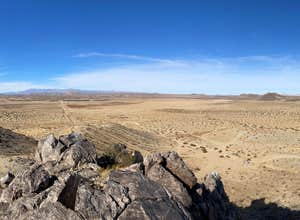
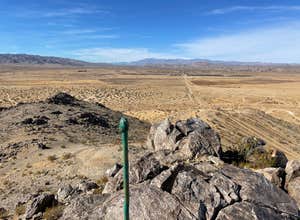
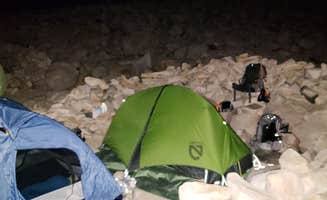
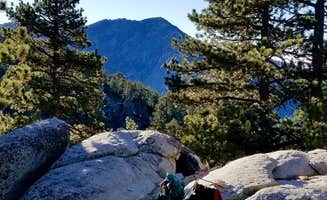
Rock protection structures: At higher elevations, campers appreciate the protection from wind. The summit areas feature makeshift rock walls that shield tents from harsh conditions.
Water sources: Some backcountry sites offer natural water access. At High Creek Camp, one camper praises "The sound of the water is the best part of this campground in my eyes. As well as it is a great place to stay as a overnight to break up a summit trip."
What you should know
Permit requirements: Wilderness camping requires permits. For San Gorgonio Summit Camp, a camper explains, "This camp is just as it states. Summit camp. The summit of San Gorgonio! The tallest mountain in Southern California. This camp is very minimal; it sits just under 11,501 ft."
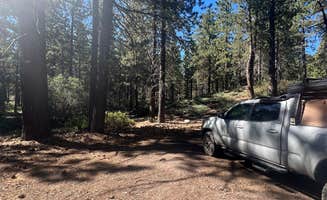
Vehicle access limitations: Many dispersed sites require appropriate vehicles. For Mill Creek, a reviewer cautions, "Smaller rigs, medium clearance and lite off-road capabilities recommended."
Weather preparedness: Summit areas experience extreme conditions. One camper reports about San Gorgonio Summit, "Morning came fast and the wind never quit so we packed up camp and hiked down for 20 minutes before pulling out coffee to have breakfast in peace."
Occupancy patterns: Weekdays offer more solitude than weekends. A visitor to Mill Creek noted, "Was not crowded mid week, but spots were filling up closer to the weekend."
Tips for camping with families
Dust management: Be prepared for dusty conditions. At East Flats, a camper observed, "Wildlife but super dusty! Starlink internet here was great and we stayed 2 days to work here."
Safety considerations: Watch for natural hazards especially with children. A camper at Vivian Creek noted, "Avoid the area should there be rain due to dangerous flash floods."
Space for exploration: Holcomb Valley Climbers Camp provides room for kids to roam. One family mentioned, "It's secluded and has enough trees for a hammock. Our kids loved being able to explore, but they were covered in sand/dirt by the end of the trip."
Navigation awareness: Mark your campsite location when in remote areas. A camper advises, "Just remember where you camped." This becomes critical when exploring with children who might wander.
Tips from RVers
Road condition assessment: Yellow Post #54 and similar areas require careful evaluation. A camper warns, "You will earn this spot as the drive from Hwy 38 is long and rocky. The final road to the spot is a single lane and others wanting to camp there will not know if it is occupied."
Size-appropriate sites: Larger vehicles should remain on main forest roads. A visitor to Mill Creek cautions, "But the biggest issue for RVs is an area of the road that is very steep and immediately turns into a hairpin turn that we didn't even want to try in our 4x4."
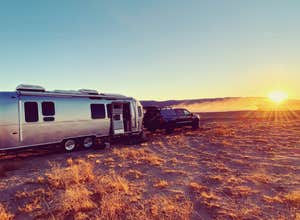
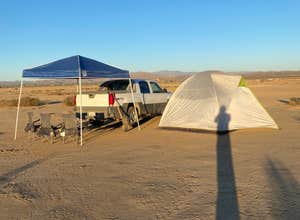
Leveling considerations: Look for naturally level areas to minimize setup time. At East Flats, an RVer reported, "The campsite was easy to find there are plenty of spots and they are level multiple spots for a class a 34 foot motorhome."
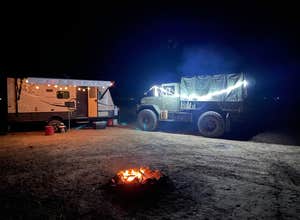
Spacing awareness: RVs need to consider proximity to other campers. One East Flats camper mentioned, "I am far enough away where I don't hear everyone talking."













 Traveler


