Dispersed camping near Lake Tahoe Basin Management Unit ranges in elevation from 6,200 to 8,900 feet across various zones. Seasonal access varies significantly, with higher elevation sites typically open from late June through October due to snow conditions. Water sources are primarily from natural streams and alpine lakes, requiring proper filtration equipment.
What to do
Climbing adventures: Lovers Leap Campground offers direct access to renowned climbing routes within walking distance of tent sites. "The campsite we stayed in was a little bit of a walk in but it was beautiful with just a short walk to the crag," notes Caitlin S. The area attracts dedicated climbers with dozens of established routes on the dramatic granite cliffs.
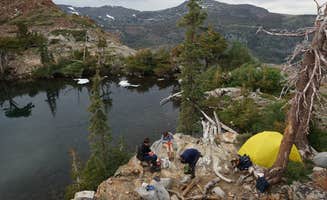
Alpine lake exploration: From Desolation Wilderness - Aloha Zone, hikers can explore multiple interconnected alpine lakes. "We just did 20+ miles, from echo lake in, around, and out to Aloha before heading back over 2.5 days. Aloha is kinda surreal," shares Chris M. The zone features distinctive rock paths where hikers appear to be "walking on water" across shallow lake sections.
Fishing opportunities: Creek and lake fishing provide productive options throughout the region. "The creek is right behind the campground. Some good fishing in the deeper holes. Caught 5 small rainbows during our stay," reports Therese L. about Markleeville Campground. Most streams require catch-and-release practices with artificial lures.
Historic site exploration: Within a 30-minute drive of many tent campsites near Lake Tahoe Basin Management Unit, visitors can explore regional history. "The interpreter center is informative," notes Eleni R. about Donner Memorial State Park Campground, where exhibits detail the infamous Donner Party tragedy and regional settlement history.
What campers like
Solitude at higher elevations: Despite popularity, many backcountry tent sites maintain relative isolation. "Dispersed camp sites all over. Make sure to follow signs and camp appropriately distanced from the lakes," advises Christian N. about camping in the Desolation Wilderness. Rangers enforce 100-foot minimum distances from water sources.
Close proximity to supplies: Many tent campsites near Lake Tahoe Basin Management Unit offer reasonable access to towns for resupply. "Close to Markleeville and convenient to pop over to the town and pick up things from the general store," explains Therese L. Most campgrounds lie within 15-30 minutes of small towns with basic provisions.
Water features: Streams and creeks enhance many camping experiences. "20 minute drive from the lake, gorgeous nature, lots of wildlife, and a creek running right by camp which makes for easy sleeping!" shares Emma M. about Luther Pass. The sound of flowing water creates natural white noise that masks other campground sounds.
Boulder exploring: Natural rock formations provide entertainment beyond designated trails. "Kids age 0-99 rule the day as there are boulders all around for to climb, a lake to swim in, trails to hike and paved loops for riding bikes," writes Eleni R. about recreational options at nearby campgrounds.
What you should know
Wilderness permit requirements: Backcountry camping demands advance planning. "This is a great glimpse at what the High Sierra lakes further south look like... but better," notes Christian N., but accessing these areas requires obtaining permits. Wilderness permits for overnight stays must be secured, with quotas enforced April through September.
Bear safety protocols: Bear-resistant food storage is mandatory throughout the region. "Bear lockers and fire pits provided," mentions Therese L. about Markleeville Campground. Campers without access to bear lockers must bring approved bear canisters.
Seasonal crowding patterns: Popular campgrounds fill quickly during summer months. "Luther pass, aka South/North Truckee Rd, was extremely crowded. I would suggest arriving early to get a decent spot," advises Kristina W. First-come, first-served sites typically fill by Thursday afternoon during summer.
Bathroom facilities: Toilet access varies widely by location. "Bathrooms located central to the sites, very spacious and dispersed," reports Melissa D. about Luther Pass, while backcountry areas require proper waste burial 6-8 inches deep and at least 200 feet from water sources.
Tips for camping with families
Choose accessible campsites: Some family-friendly locations offer easier access. "We are traveling to Idaho and stopped here for the night. I am in a wheelchair so we had a handicap sight. All the sights were clean and had nice fire pits with a grill grate," shares Chris K. about Donner Memorial State Park.
Pack for temperature swings: Alpine conditions mean significant day-to-night temperature variations. "Moutain region with cool breezes and warm days in summer (we went in July), but pleasant for sleeping at night. Hot tent during the day!" advises Kerry V. Nighttime temperatures can drop below 40°F even in July and August.
Look for educational opportunities: Several campgrounds offer learning experiences for children. "I am a 12 year old and I had tons of fun. Me and my friends were up there and there was conveniently a campground available in there same campsite. We went fishing and caught crawfish in a trap underneath the bridge near the front," reports Bobby S.
Consider lake access: Swimming opportunities enhance family camping experiences. "It's hard to miss Kaspian campground because it's right off the road if you're headed south towards South Lake Tahoe. The lake is literally across the road from the campground," notes Azizah T. about Kaspian Campground.
Tips from RVers
Size limitations: Many campgrounds have limited space for larger vehicles. "Holy Christ for the love of god take away the rv tag. There isn't a single spot for an rv, I tried it with my 19' single axle unit and nearly ripped the spare tire off the back the road was so steep," cautions Matt about Luther Pass.
Alternative parking options: Some RV campers find creative solutions. "Ranger came by early evening to say you're only supposed to camp in the designated sites, but never returned to enforce the rule, so I was fine sleeping in my car in a small dirt pull out," shares Amber about her experience at Luther Pass.
Consider nearby dispersed options: When established sites don't accommodate RVs, nearby alternatives may work. "We ended up going onto North Truckee Rd and found a pull off wide enough for our truck and rooftop tent," explains Kristina W. These unofficial sites typically lack amenities but provide legal alternatives when space permits.












 Guide
Guide


