Primitive camping near Shasta, California offers opportunities for solitude amid the Whiskeytown-Shasta-Trinity National Recreation Area's diverse landscapes. Elevations in the area range from 1,000 to 6,000 feet, creating varied camping experiences from lakeside sites to forested mountain terrain. Many primitive campgrounds feature direct creek or lake access with unpaved roads that can become dusty during summer months.
What to do
Morning hikes: Explore the trails near Deerlick Springs Campground where campers can access "Advanced hiking 3k-6k summit peek, beautiful trails and swimming holes, nature and wildlife surrounding a dark night sky."
Wildlife observation: Look for deer and other wildlife during early morning or evening hours. At primitive campgrounds like Crystal Creek, be prepared for nighttime visitors. One camper reported, "About 3am something woke me up sniffing around my hammock. I was not able to see it without moving, but it bumped me and was large enough to make the hammock sway."
Paddleboarding: Bring a paddleboard to Mary Smith Campground on Lewiston Lake. A visitor mentioned they "got a paddle board and pretty much had the whole lake to ourselves." The calm waters make it ideal for beginners.
Fishing: Try fishing at Jones Valley Inlet or other lake access points. During certain seasons, fish may be in deeper waters. A camper at Mary Smith noted, "The lake was too cold for swimming and the fish were hanging out in deep water so no swimming or successful fishing."
What campers like
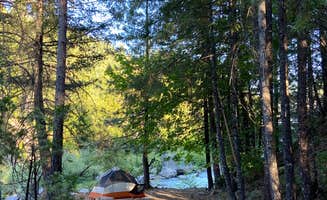
Creek sounds: Many campers appreciate falling asleep to the sound of flowing water. At Peltier Bridge Primitive Campground, campers enjoy "Loved listening to the creek while falling asleep, lots of shade and the staff was friendly." Another mentioned, "There's a small narrow dirt road, but easily doable even in a loaded down sedan."
Secluded sites: Tent camping at Shasta provides privacy between sites at most primitive campgrounds. At Crystal Creek Primitive Campground, a camper found exactly what they wanted: "I was looking for a primitive campsite that was quiet and secluded. This fit the bill 100%."
Shaded campsites: The region offers good tree cover at many sites. One visitor to Peltier Bridge noted, "It was really hot during the day like 90s but site #9 is shady and the river is freezing so it's easy to stay cool. Gets pretty cold at night."
Clean facilities: Despite being primitive, many campgrounds maintain clean restrooms. A camper at Peltier Bridge observed, "Even with the campground almost full, it's quiet and peaceful. Pit toilets are very clean!"
What you should know
Fire restrictions: Check current fire regulations before your trip as they change seasonally. A camper at Sheep Camp Primitive Campground mentioned, "There's a fire ban in place so we couldn't have a fire, but there's a nice size fire ring for anytime the ban is lifted."
Bear activity: Many campgrounds require proper food storage. At Sheep Camp, a visitor noted, "Picnic tables and lantern hooks, along with bear lockers make it safe and cozy."
Temperature variations: The area experiences significant temperature swings between day and night. Pack accordingly as temperatures can drop considerably after sunset. A camper at Peltier Bridge warned, "It was really hot during the day like 90s... Gets pretty cold at night."
Road conditions: Access roads to primitive sites are often unpaved. A camper at Peltier Bridge shared, "There's a small narrow dirt road, but easily doable even in a loaded down sedan."
Tips for camping with families
Site selection: Choose sites away from entrance roads for more privacy and safety. At Peltier Bridge, a visitor advised, "#6, 8, and 9 probably your best bets if they are open. 4 and 5 are right next to the entrance."
Water activities: The cold water provides relief during hot summer days. At Jones Valley Inlet Shoreline Campground, a camper shared, "close proximity to the lake but still not on the water. good shade coverage with beautiful redwoods and manzanita."
Wildlife education: Use wildlife encounters as learning opportunities. Bring field guides to identify local plants and animals. A camper at Deerlick Springs reminisced about "feeding the large tame bucks in the 'courtyard'" as a child.
Noise considerations: Many sites offer natural white noise that helps children sleep. A camper at Peltier Bridge noted, "Quiet and peaceful campground with the sound of the creek all night."
Tips from RVers
Site accessibility: Many primitive sites have limited RV access. At Hirz Mountain Lookout, vehicles must navigate narrow access roads not suitable for large rigs.
Leveling challenges: Bring leveling blocks as many sites are on uneven terrain. A visitor to Mary Smith Campground noted, "This campground is hilly and one must pack gear down or up to one's spot which was a pain."
Solar considerations: The heavy tree cover at some sites limits solar charging options. A visitor to Peltier Bridge mentioned, "There's a lot of tree cover, so bad for solar or satellite."
Supply planning: Most primitive sites require complete self-sufficiency. A camper at Peltier Bridge shared, "You can only buy the pass online so make sure you get it ahead of time," highlighting the need for advance preparation.




 Traveler


