New Melones Lake campgrounds feature dog-friendly accommodations across multiple recreation areas in California's Sierra Nevada foothills. These sites sit at elevations between 1,000-1,200 feet, experiencing summer temperatures frequently above 100°F with winter lows rarely falling below freezing. Water levels fluctuate dramatically between seasons, affecting both shoreline access points and overall camping conditions.
What to do
Wildlife watching opportunities: Ironhorse Campground provides excellent opportunities for observing local wildlife. "Deer are fearless & majestic, several 'packs' walked through our campsite all throughout Sunday night when everyone else was gone. They walked up to us to smell our campfire & our food," reports Katie K. from Lake Tulloch RV Campground and Marina.
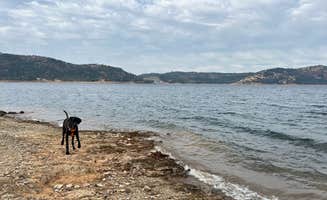
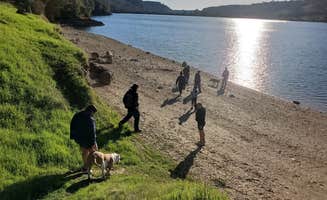
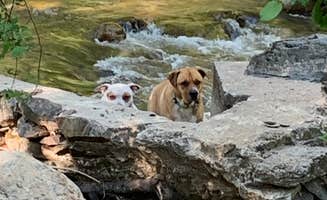
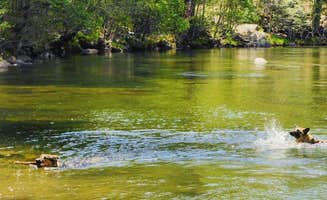
Fishing access points: The shoreline around Acorn Campground offers numerous fishing spots with relatively easy access. "Even without a boat or any lake toys we had a lot of fun hanging on the shore and letting the dogs swim, and even took a dip ourselves," notes Gregory R. Fishing remains popular year-round, though summer months see crowded conditions, especially on weekends.
Boat launching facilities: Most recreation areas maintain boat ramps, though accessibility varies with water levels. "This campground is great if you have a boat or jetski, as you can moor your boat close to your site," explains Trisha L. about Acorn Campground. The distance from campsites to boat ramps can be substantial during low water periods, sometimes requiring a drive rather than walking.
What campers like
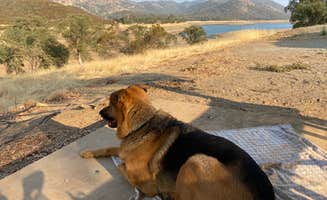
Spacious sites with lake views: Many campsites offer excellent vantage points overlooking New Melones Lake. "Site 116 is great. It is a little steep to get to the fire pit but the views were worth it," writes Mallory K. about USBR Gloryhole Rec Area Big Oak Campground. The slight elevation changes between sites create natural separation.
Clean facilities: Despite heavy use during peak seasons, many campgrounds maintain respectable cleanliness standards. "Bathrooms were kept very clean and well stocked," notes Joshua H. about Big Oak Glory Hole Area. Most campgrounds provide a mix of flush toilets and vault toilets depending on location within the recreation area.
Natural privacy buffers: The terrain creates separation between neighboring sites at many campgrounds. "Sites were a good size and were tucked down a slight hill from the road which was great for privacy," says Joshua H. This topography helps minimize noise concerns for dog owners and reduces sound travel between sites.
What you should know
Heat management challenges: Summer temperatures consistently reach extreme levels, requiring careful planning. "It was quite hot there and there is no lake access from the campground. And there was not a lot of water left," reports Tabitha about Ironhorse- Glory Hole Area. Many sites lack adequate shade, creating potentially dangerous conditions for pets during midday hours.
Variable water access: Lake levels change dramatically throughout the year, affecting shoreline accessibility. "Lake levels fluctuate significantly—sites that are right on the lake can end up being hundreds of feet from the lake if the water level is low," explains Darin D. This variability impacts boat launches, swimming areas, and shoreline dog exercise options.
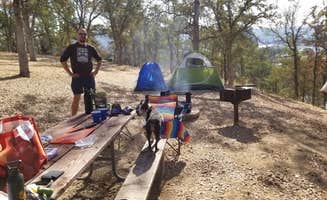
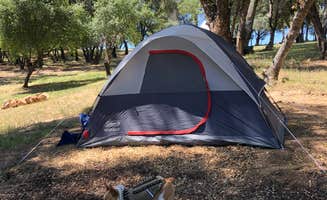
Campsite selection importance: Sites vary significantly in size, shade, and accessibility. "Sites are packed in tight. Def geared for tent camping although I was lucky enough to be here when it was dead empty and picked a good site for my 27' toy hauler," notes Hunter P. about Tuttletown Recreation Area. Researching specific site dimensions before booking proves essential for RV campers.
Tips for camping with families
Heat mitigation strategies: Plan activities during cooler morning and evening hours during summer months. "It was something like 107 when we were setting up the tent and most of the day time but on the lake itself, the temperature was perfect," shares Scott R. from Tuttletown Recreation Area. Portable shade structures become essential equipment at many exposed sites.
Swimming options for children: Several campgrounds provide designated swimming areas more suitable for families with pets. "The lake is gorgeous and at night there were several deer walking thru the site. This is hot weather territory but you can take a quick swim to cool off. There is a day use area and a swimming area with a beach," notes Melissa B. about Lake Tulloch RV Campground.
Quiet time enforcement: Ranger patrols actively monitor noise levels, especially regarding barking dogs. "All the campers abided by quiet time," remarks Scott R. This consistent enforcement helps maintain peaceful camping conditions, particularly important for families with children and pets needing regular sleep schedules.
Tips from RVers
Site leveling challenges: Many RV sites require significant leveling equipment due to terrain. "Most of the individual sites were flat and could accommodate a wide variety of rig sizes," reports Shari G. about Acorn Campground, though this varies significantly between recreation areas and specific sites. Bringing additional leveling blocks proves essential.
Limited hookup availability: Full hookups remain scarce throughout the region's dog-friendly campgrounds. "No hookups. No idea where the water is at but didn't really look. There is a nice dump station ($8 fee recommended.. pay station is at park entrance)," explains Hunter P. RVers should prepare for dry camping conditions at most sites, with limited access to water fill stations.
Pet-friendly cabin options: Angels Camp Campground and RV offers dog-friendly cabin accommodations as alternatives to traditional RV camping. "First time up and it's so nice and peaceful. Stayed in the cabin that sleeps 6. Super nice, close to the bathrooms," shares Amanda V. These cabins provide air conditioning during extreme heat periods when tent or RV camping might prove challenging for pets.





 Guide
Guide


