Equestrian camping near Witter, Arkansas centers on a region marked by limestone bluffs, seasonal creek crossings, and elevations ranging from 1,100 to 2,000 feet across the Ozark highlands. The area receives approximately 44 inches of rainfall annually, creating lush vegetation but sometimes challenging trail conditions during wet seasons. Most horse campsites require riders to bring their own water for animals, as natural water sources can become seasonal.
What to do
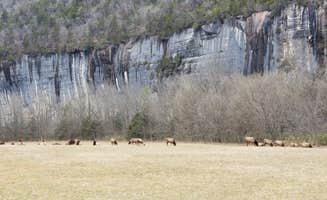
Trail riding options: The Buffalo National River area offers extensive trail systems beyond ranch properties. At Steel Creek Campground, riders can access trails directly from campsites. "Lots of wildlife such as deer, elk and if you are lucky black bears. Very quiet and every site has a picnic table," notes Joey C.
River activities: Many equestrians combine riding with water recreation. Byrd's Adventure Center provides riverside camping with river access. "The river runs right through the property. There are a ton of trails to explore. They have a store and restaurant on site," according to Desiree Y.
Cave exploration: Several trails lead to limestone features and caves. Seasonal access depends on weather conditions, with most caves accessible during drier months. Some require guides or permits, so check with local ranger stations before planning visits.
Photography spots: Morning fog rising from valleys creates ideal conditions for photographing horses against mountain backdrops. Spring and fall provide optimal lighting conditions with less humidity affecting visibility.
What campers like
Natural water features: Beyond standard creek crossings, equestrian campers appreciate access to multiple swimming spots. "Kayaking, swimming, and fishing were awesome!" reports Donna M. about her experience at Steel Creek Campground.
Open camping layouts: Large camping areas provide flexibility for groups traveling with multiple horses. "Wide open and beautiful views. There are miles and miles of ATV and single track trails for dirt biking. Creeks, waterfalls and buffalo everywhere," writes Mike B. about his stay at Wilderness Rider Buffalo Ranch.
Wildlife viewing: Aside from buffalo, the region supports diverse wildlife that enriches the equestrian camping experience. Many riders report dawn and dusk sightings of deer and other wildlife from their campsites.
Seasonal variations: Each season offers different riding experiences with spring wildflowers, summer swimming holes, fall foliage, and winter views when foliage thins to reveal distant vistas normally hidden by vegetation.
What you should know
Weather preparedness: Mountain weather changes quickly in this region. Pack layers and rain gear even during summer months, as afternoon thunderstorms develop rapidly.
Trail conditions: Recent improvements continue on many properties but accessibility varies with rainfall. "4X4 wasn't necessary getting in but the morning we left, it was raining and I was glad I had it on the way out. May not have needed it but glad to have it," shares Mike B. about Wilderness Rider Buffalo Ranch.
Reservation requirements: Most established campgrounds require reservations, especially during peak season. Some sites fill months in advance during holiday weekends and fall color season.
Cell coverage limitations: Prepare for limited or no cell service throughout most of the region. Download offline maps and trail information before arrival.
Tips for camping with families
Safety preparations: When camping with children around horses and buffalo, establish clear boundaries. "They may not have showers but they do have bathrooms and running water. Right next to the Buffalo River along the gorgeous towering bluff," says Jessica W. about Devil's Den State Park.
Mixed activities: Balance riding time with other recreation options. "The campground is well maintained with lots of picnic/day use areas, a beach and lots of nature trails (for hiking and horseback riding)," reports Ashley F.
Educational opportunities: Several locations provide wildlife learning experiences. Rangers often conduct programs about local ecology, especially during summer weekends.
Weather contingencies: Have backup plans for rainy days when trails become too muddy. The area offers several indoor attractions within an hour's drive, including pioneer museums and educational centers.
Tips from RVers
Access considerations: Roads to equestrian camping areas often include gravel sections and tight turns. "The road is steep, has sharp, blind curves and is very narrow. But SOOO worth it!" advises Leah H. about accessing Erbie Campground.
Hookup limitations: Most horse-friendly campsites offer minimal or no hookups. Bring sufficient water supplies and plan for limited electrical availability.
Positioning strategies: When parking horse trailers with living quarters, experienced campers recommend positioning to allow space for tying horses while maintaining access to RV amenities.
Generator regulations: Check specific campground rules about generator usage. Many restrict hours or prohibit generators in certain camping sections to maintain the natural environment.




 Legend


