Mojave River Dam area contains several equestrian-friendly campgrounds across a 20-mile radius. The desert-mountain terrain ranges from 2,400 to 3,500 feet elevation, creating significant temperature variations between seasons. Camping facilities accommodate various needs with some sites offering equestrian amenities beyond those at Mojave Narrows Regional Park, though availability differs by season.
What to do
Hiking to hot springs: Deep Creek Hot Springs offers a rewarding hike that leads to natural thermal pools. "The hike down is super chill and the hot springs at the end are so worth the hike back up after!!!" reports Carina M. at Deep Creek Hot Springs Campground. The spring pools provide a unique desert oasis experience with multiple soaking areas.
Fishing at multiple lakes: Hesperia Lake Park provides stocked fishing opportunities with rental equipment available. "We stayed here for the weekend, the only issue is the gates around the lake and the fact that you can no longer cook off in the spring," notes Melissa M. about Hesperia Lake Park and Campground. The lake maintains regular stocking schedules with daily fishing permits required.
Mountain biking on forest trails: Access numerous trails through San Bernardino National Forest. "Alpine bike path!" mentions Ricky S. about trails near Heart Bar Campground. The forest service maintains over 30 miles of designated mountain biking routes connecting various camping areas.
What campers like
Natural swimming areas: Seasonal creeks provide swimming opportunities during warmer months. "We traveled from Fullerton to Brea... After a quick back and forth with the most ideal spot and a quick set up, it was in the river we went. With temperature nearing 90 or at least it felt like it. The mountain cooled stream was just what our fam needed," explains Armando C. about his experience at Seven Oaks Lodge.
Desert wildlife viewing: Dawn and dusk offer opportunities to observe native species. "The sites are beautiful and clean, and there is a beautiful meadow to hike through," shares Amy B. about the landscape near Heart Bar Campground, where deer are commonly spotted in meadow areas during morning hours.
Train watching: Railway lines pass near several campgrounds, providing regular train sightings. "Trains, lots of them," notes Rick S. in his review of Mojave Narrows Regional Park. Some campers enjoy photographing the trains while others plan activities away from camp during peak train times.
What you should know
Limited water access: Many dispersed camping areas require bringing your own water supply. "Easy access to the hot springs and no services to speak of. Basically a patch of dirt you can occupy for $10 a night," explains Dan X. about Deep Creek Hot Springs Campground. Sites without hookups typically require 1-2 gallons of water per person per day.
Temperature extremes: Desert conditions create significant day-night temperature variations. "Went in January with snowfall, hardly any campers and nature all around!" shares Kelly Anne M. about winter conditions at Deep Creek. Summer temperatures regularly exceed 100°F while winter nights can drop below freezing.
Site availability challenges: First-come sites fill quickly during peak seasons. "Roughy half the site's are being 'held' with chairs for the coming weekend. Please remember this is a first come first serve space, which means no reservations," warns Cori H. about Coon Creek Yellow Post Sites. Arriving mid-week improves chances of securing preferred sites.
Tips for camping with families
Playgrounds and water features: Several parks offer dedicated children's areas. "A little zero gravity water park is nice if you have children," mentions Michelle K. about facilities at Mojave Narrows Regional Park. The water features typically operate from late May through September, weather permitting.
Educational opportunities: Local wildlife provides learning experiences for children. "Lots of birds," notes Rich J. in his review of Mojave Narrows Regional Park. Bird watching is particularly productive near water sources in early morning hours.
Safety considerations: Weather conditions require extra planning with children. "No shade unless you get a good site," warns Jake P. about Deep Creek Hot Springs Campground. Portable shade structures are recommended for summer visits with children to avoid heat exposure.
Tips from RVers
Level site selection: Many campgrounds offer varied terrain for RVs. "Level, paved, separated FHU sites with picnic tables and fire rings," describes Rich J. at Mojave Narrows Regional Park, though he notes bathroom maintenance can be inconsistent.
Access road conditions: Some campgrounds have challenging approach routes. "Dirt roads were well kept. I came with a 170 wheel base Sprinter Van w/ 2 wheel drive and had no problems making it to site post #11," shares Derek M. about his experience at Coon Creek Yellow Post Sites. Many roads become impassable after heavy rain, particularly during winter months.
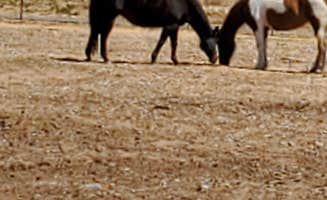
Equestrian camping options: Several parks beyond Mojave Narrows accommodate horses. "Great campground 25 minutes from town. Accommodates travel trailers/rv well, water spigots around. Lots of trees, shade & blue jays," explains Ricky S. from Heart Bar Campground, which provides spaces suitable for horse trailers with access to forest trails.



 Ranger


