









Walter E. Guide
Guide
GuideFoscue Creek
Foscue
Level sites clean restroom nice host
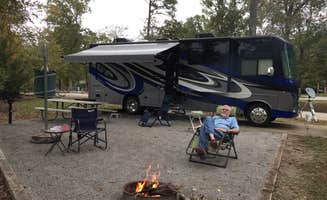
Camping along the Black Warrior and Tombigbee Lakes waterway in Alabama provides multiple established options for RV and tent campers. Several Army Corps of Engineers campgrounds offer water access and full hookups, including Foscue Creek near Demopolis and Forkland Campground in Forkland. These developed campgrounds feature concrete pads, electrical hookups, and water access. Most camping areas are situated along the water with fishing opportunities, boat ramps, and riverside views. Belmont Park offers free primitive camping with 15 sites that can accommodate smaller RVs and tents.
Access to most campgrounds remains available year-round with gates that typically open at 6am and close at 10pm, requiring campers to contact hosts for after-hours entry. "After 10 pm the gates are locked up. So if you need to leave you have to contact the camp host," notes one visitor at Forkland Campground. Most developed sites provide water and electrical hookups with centrally located dump stations. Cell service varies throughout the region with some campgrounds reporting usable T-Mobile and Verizon coverage. The area experiences heavy mosquito activity, particularly around sunset, so protective measures are recommended. Water pressure at some locations may be limited, with one Foscue Creek review mentioning "kinda low water pressure (40 psi)."
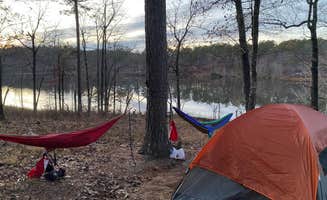
Waterfront camping represents the most sought-after feature of the region's campgrounds. Several visitors highlight the fishing opportunities and water access as primary reasons for choosing these locations. A camper described Belmont Park as "a great campsite if you want a secluded quiet place with river access," noting the boat launch that leads directly to the Tombigbee River. Many campgrounds feature fish cleaning stations at individual sites, catering to the fishing community. Sites vary in shade coverage, with some offering wooded surroundings while others provide more open waterfront exposure. Bathroom facilities receive consistently positive reviews for cleanliness across multiple campgrounds. The region offers a mix of developed sites with amenities and more secluded locations, all providing access to the waterway system that connects the Black Warrior and Tombigbee rivers.
$20 - $26 / night
"We took a trip to Alabama a few summers ago to visit family, and decided to do some camping and hiking before we went home. The drive was beautiful."
"It is near my home so I had been there multiple times but never stayed. It is nice and quiet with many options for activities."
$25 - $45 / night
"trees around but great views from most sites either of river or water. Can ride bikes down to the Lock and Dam areas. About 2 1/2 miles ride around campground. US Army Core of Engineer campground."
"Close to town in case you need to pick up something and a lot of paved roads and paths to walk or hike."
"Great walk around the park, about a one mile loop. Lovely park. $28 / nite for full hookups"
"Site 49 level concrete pad surrounded by pea gravel, with moveable aluminum table, pedestal BBQ grill, metal fire ring and wooden fish cleaning table. "
$25 / night
"Always clean, and plenty of access to the river! Some of the pretty scenery in Alabama!"
"You cannot camp here, but there is nearby camping facilities in both Forkland and Demopolis."
$28 / night
"Directly behind us is the playground which is a total win if camping with kiddos. Will return."
"We rode bike in a loop and checked out the trail while stopping to speak to several COE employees that were a delight. The other campers were respectful, kind and courteous."
GuideLevel sites clean restroom nice host


 Legend
This RV park is no longer open. It has been abandoned for some time. At one time it was very nice. I remember visiting it when it first opened. Do not plan on staying at this campground.
LegendThis Love’s truck stop is right of interstate 20/59 at the Eutaw Exit. It includes all the amenities that a truck stop provides. Clean bathrooms and showers, food, fuel, and restaurants. It has a Hardee’s, Chester’s Chicken, and a Godfather’s Pizza. There are 4 RV hookups which include power, water, and a trash can. There is a dog park right next to the RV sites. There is also a waste dump station available for a $10 fee.

 Scout
ScoutWe stayed here for a few days. Grass is beautiful and mowed, facilities were about normal. The beach is nice and fishing was uneventful. Overall a super quiet place that is a true diamond in the rough. 18$ a night for full hookups. Picnic tables at the sites have wasps. BRING WASP SPRAY! ATT had zero service.
GuideNice spacing, has sewer,water, electric. Good shade but not dark timber, lots of really nice sites Level concrete pad, nice layout on the sites, great bathrooms/ shower house. Firewood available It’s popular , so book in advance Grocery and restaurants nearby Locke and dam nearby Great front gate staff , took us to our site
 Traveler
Nice location in the woods. Down side is occasional traffic on country road that is right along the pull thru sites and some kind of salvage yard down the street. Almost don’t notice the noise from either during the day and no noise late afternoon, evening. Camp host is super nice and everything is clean and working.
 Ranger
Very nice large concrete pads with large gravel picnic area. Full hookups, picnic table, fire ring, fish table, pole for light. Our site was river front and saw lots of barrages go by each day. trees around but great views from most sites either of river or water. Can ride bikes down to the Lock and Dam areas. About 2 1/2 miles ride around campground. US Army Core of Engineer campground. Very well maintained! Demopolis, Alabama
LegendThis is a great boat launch with picnic areas. Well maintained with public restrooms. You cannot camp here, but there is nearby camping facilities in both Forkland and Demopolis.
GuideWonderful remote campground. Definitely has that out of the way,secluded vibe. It was very peaceful. The sites are nice level concrete and gravel pads, many of which have beautiful water front views. There are provisions for fishing as well. The camp host is very helpful. The bathhouses are minimal and outdated, but very clean. Would definitely come back.
The Black Warrior and Tombigbee Lakes system spans 457 miles through central Alabama, creating numerous opportunities for waterfront camping. Summer temperatures regularly exceed 90°F with high humidity, while winters remain mild. Mosquitoes are most active from June through September, requiring protective measures during evening hours. Campgrounds in this region offer varying levels of access to the interconnected waterway system.
Fishing opportunities: The waterways support diverse fish species with prime spots at Jennings Ferry, where campers report success catching brim directly from shore. "We caught a few brim off the bank and overall had a great time with friends," notes one visitor at site #36, which features a large viewing deck overlooking the water.
Nature trails: Several campgrounds maintain walking paths through native Alabama woodlands. At Forkland Campground, the nature trail offers wildlife viewing opportunities. "The nature trail was very calming and enjoyable," mentions one reviewer who appreciated the break from water activities. The trail connects visitors with local bird species and seasonal wildflowers.
Water recreation access: Boat ramps provide direct waterway entry at numerous locations. "There is a boat launch that leads you straight to the Tombigbee river before it meets the Black Warrior in Demopolis," explains a camper at Belmont Park. This free campground maintains 15 sites with river access, making it popular for paddlers and small motorboats.
Waterfront campsites: Premium spots with direct water access remain most requested. "We stayed at site #36 which had a large deck overlooking the water," shares a reviewer at Jennings Ferry. Many waterfront sites include fishing platforms or small beaches suitable for launching kayaks or canoes.
Clean facilities: Consistent maintenance receives positive mentions across multiple campgrounds. "Bathroom/shower house clean as can be," notes a visitor at Forkland Campground. At Foscue Creek, a tent camper observed "the bathrooms were the cleanest bathrooms I've seen at a public campground."
Wildlife viewing: The river ecosystem attracts diverse animal species. "Early in the morning you can see some huge paddlefish jumping in the water," mentions one Forkland visitor. Bird watching opportunities abound, particularly at dawn when wading birds feed along shorelines and in shallow backwaters.
Gate restrictions: Security measures limit after-hours access at many campgrounds. At Foscue Creek, "Downfall was you had to be in or out of the park by 10pm bc the gate closes. And you have to go get the park ranger to open it," reports one camper. Plan arrivals and departures accordingly.
Water pressure variations: Hookup quality differs between locations. Pressure regulators are recommended at Forkland Campground, where one visitor noted: "water hookup (be sure to have a pressure regulator) and the dump station is in the middle of the campground."
Cell service inconsistency: Coverage varies by carrier and location. At COE Demopolis Lake campground, one visitor reported: "Miserable on Visible (Verizon) and Cricket (ATT). The WeBoost made it usable." Some campgrounds have better connectivity than others, with most reporting usable service for basic needs.
Playground access: Select sites near play areas for convenience with children. At COE Demopolis Lake Foscue Creek Campground, facilities remain well-maintained with security gates that operate from 6am to 10pm. "Immaculate grounds throughout the campground. Always saw someone working at it," notes a recent visitor.
Insect preparation: Evening mosquito activity requires planning. "Lots of mosquitoes when the sun goes down so bring your spray," warns a Forkland Campground reviewer. Screened shelters or canopies provide additional protection during peak activity periods.
Site selection for shade: Summer heat makes tree cover valuable. "Our site was shady most of the day and well spaced from other sites," describes a visitor at Forkland, noting the importance of shade during hot months. Sites with morning sun and afternoon shade offer the best combination for comfort.
Site leveling: Concrete pads at most developed campgrounds provide stable foundations. At Belmont Park, "Two sites can accommodate rigs up to 30 feet. Great for tent, smaller campers and RVs," explains a reviewer. Most sites include pea gravel surrounds that drain well during rain.
Dump station locations: Plan waste management around available facilities. At Forkland Campground, the dump station is centrally located but requires navigation through the campground loop. Many visitors recommend emptying tanks before arrival if staying less than three days.
America the Beautiful Pass benefits: Significant discounts available at Corps of Engineers sites. "America the Beautiful Pass discounted the site to $15/night...WHAT A STEAL!" reports a COE Demopolis Lake visitor. This represents savings of over 45% from standard rates at many Black Warrior and Tombigbee Lakes campgrounds.
Frequently Asked Questions
Which is the most popular campground near Black Warrior and Tombigbee Lakes?
According to TheDyrt.com, the most popular campground near Black Warrior and Tombigbee Lakes is Forkland Campground with a 4.8-star rating from 13 reviews.
Keep Exploring